Coated Diamond Powder Guide: Ni, Cu, TiC & W Coatings
Introduction
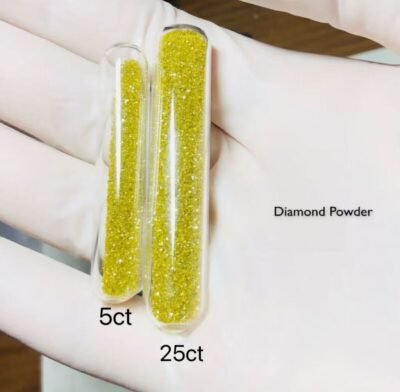
Coated diamond powder is used to improve the compatibility between diamond particles and the bond or matrix in which they are incorporated.
By applying a functional metal, carbide, or ceramic layer to the diamond surface, manufacturers can improve particle retention, interfacial bonding, thermal stability, or processing compatibility[^1] in bonded abrasive tools, diamond composites, and thermal management materials.
This guide explains the main types of coated diamond powder, their typical applications, and the key factors to consider when selecting the diamond grade, particle size, coating material, and coating level.
What Is Coated Diamond Powder?
Coated diamond powder consists of synthetic diamond particles covered with a controlled metal, carbide, or ceramic surface layer. The diamond remains the functional core, while the coating modifies the outer surface that interacts with the bond or matrix.
Common coatings include nickel, copper, titanium, TiC, chromium and tungsten[^2]. A coated diamond product is normally specified by the base diamond grade, particle size, coating material, surface coverage, and coating thickness or weight gain.
In industrial use, coated diamond powder is the general term, while coated diamond grit more commonly refers to coarser mesh-sized particles used in grinding, sawing, drilling and bonded abrasive tools.
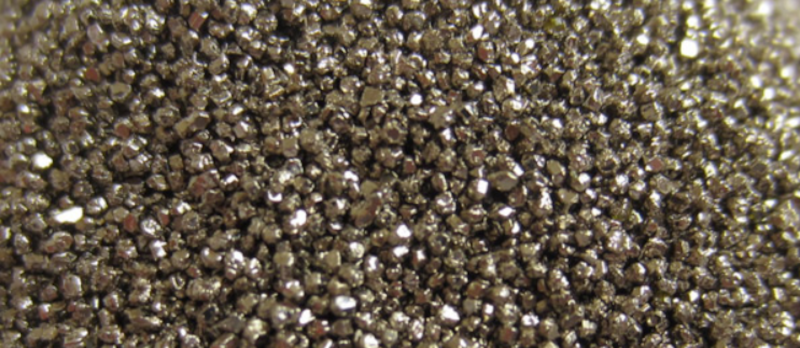
Coated vs Uncoated Diamond Powder
| Factor | Coated Diamond | Uncoated Diamond |
|---|---|---|
| Surface | Functional metal, carbide or ceramic layer | Natural diamond surface |
| Bond retention | Can improve anchoring and interface bonding | Depends mainly on the bond and particle characteristics |
| Matrix compatibility | Better suited where interface control is required | Suitable where direct diamond contact is sufficient |
| High-temperature processing | Selected coatings can improve interface stability | Diamond directly contacts the matrix |
| Typical use | Bonded tools, composites and thermal applications | Free abrasives, polishing and general applications |
Coating is useful when improved retention, wettability or interface control is required, but it is not necessary for every diamond application.
Why is Diamond Powder Coated?
Diamond coatings modify the particle surface to improve compatibility with a specific bond or matrix without changing the function of the diamond core.
The main purposes are:
- Improve bond retention — especially in bonded abrasive tools where premature grit pull-out reduces tool life.
- Improve diamond-matrix bonding — particularly in sintered, brazed and metal-matrix systems where direct bonding or wettability is limited.
- Control the thermal interface — in diamond composites where interfacial reactions and thermal resistance influence heat transfer.
The required coating depends on the bond or matrix, processing temperature, diamond specification and target performance.
What are the Main Types of Coated Diamond Powder?
Coated synthetic diamond powder may use metal, carbide, or ceramic surface layers. The appropriate coating depends on the bond or matrix, processing temperature, and required mechanical or thermal performance.
Nickel-Coated Diamond Powder
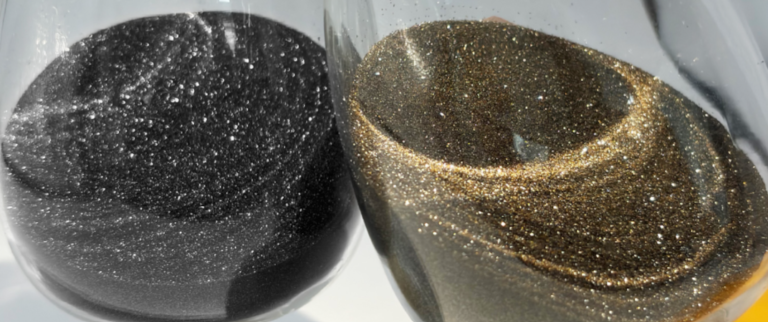
Nickel-coated diamond is primarily used in resin-bonded abrasive tools to improve mechanical anchoring, bond retention and resistance to premature grit pull-out.
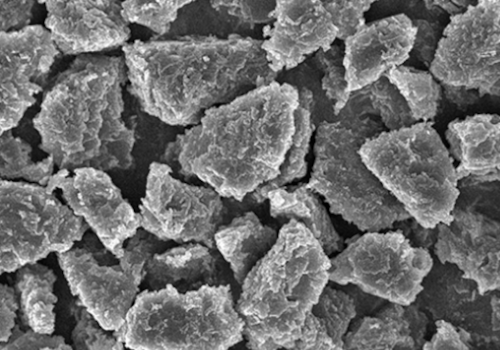
Rough or nodular nickel surfaces provide stronger mechanical interlocking with the resin matrix. Typical applications include resin-bond grinding wheels for carbide, ceramics and precision grinding.
The coating ratio should be balanced with diamond size and required grit exposure, as excessive coating can reduce cutting activity.
Titanium-Coated Diamond Powder
Titanium-coated diamond is mainly used in metal-bonded, brazed and composite systems where improved diamond-matrix bonding is required.
During high-temperature processing, titanium can react with diamond to form a TiC-containing interface[^3], improving wettability and limiting direct interaction with reactive matrix materials.
Typical applications include brazed tools, sintered diamond segments and copper- or aluminum-matrix composites.
TiC-Coated Diamond Powder
TiC-coated diamond is primarily used in metal-matrix and thermal composites where controlled diamond-matrix bonding and interface stability are required.
The pre-formed TiC layer provides a carbide-based interface without relying entirely on in-situ carbide formation. Typical applications include diamond-copper and diamond-aluminum composites, electronic packaging and thermal management materials requiring efficient heat transfer.
Copper-Coated Diamond Powder
Copper-coated diamond is used where improved heat distribution, particle retention or compatibility with copper-containing systems is required.
The copper layer can improve heat distribution and grit retention in selected resin-bonded tools, while also supporting powder consolidation in copper-based composites. Typical applications include resin-bond grinding tools, selected dry-grinding systems and copper-matrix composites.
The coating ratio should be matched to the application, as excessive copper coverage may reduce diamond exposure or affect the effective diamond concentration.
Tungsten-Coated Diamond Powder
Tungsten-coated diamond is mainly used in high-temperature metal-matrix and thermal management applications requiring improved interface stability.
Under suitable processing conditions, tungsten can form tungsten-carbon interfacial phases[^5] that improve bonding and limit direct interaction between diamond and the matrix. Typical applications include copper-matrix thermal composites, sintered or brazed diamond tools and high-temperature composites.
Coating thickness and continuity should be controlled according to the matrix and processing temperature to balance interface bonding with thermal performance.
Other Functional Coatings
Other coatings are used for specialised applications. Chromium can improve wettability with selected metal matrices, while silicon- or SiC-based coatings may improve compatibility with ceramic, aluminum, or silicon-containing systems.
Ceramic coatings such as silica or alumina may provide electrical insulation, but they can also increase interfacial thermal resistance. These coatings must therefore be selected according to the matrix chemistry, processing conditions, and required electrical or thermal performance.
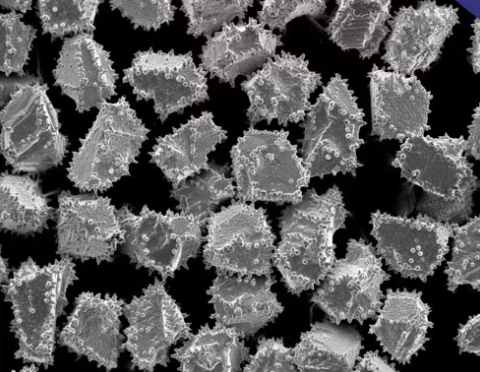
How to Select Coated Diamond Powder by Application
Coated diamond powder should be selected according to the bond or matrix, processing conditions and required interface function[^6]. Diamond size, grade, morphology and coating level should then be matched to the specific application.
Quick Selection Guide: Coating Type vs Matrix and Application
| Application / Matrix | Main Requirement | Typical Coating | Key Selection Factor |
|---|---|---|---|
| Resin-bond tools | Grit retention and heat control | Ni; selected Cu | Coating ratio and grit exposure |
| Metal-bond / sintered tools | Interface bonding and thermal stability | Ti, TiC, W, Cr | Matrix chemistry and sintering conditions |
| Brazed diamond tools | Wettability and strong interface bonding | Ti, Cr[^7] | Brazing alloy and processing temperature |
| Cu / Al thermal composites | Interface bonding and thermal transfer | Ti, TiC, W, Cr | Coating thickness and matrix chemistry |
| Special composites | Thermal, electrical or interface control | Functional / refractory coatings | Matrix and functional requirement |
For abrasive tools, coating selection should balance grit retention with sufficient diamond exposure. Ni coatings are commonly used in resin-bond systems[^8], while Ti, TiC, W or Cr may be considered for metal-bond and high-temperature systems.
For thermal composites, the coating should provide sufficient diamond-matrix bonding without introducing unnecessary interfacial thermal resistance. Thin carbide-forming or carbide-based coatings such as Ti, TiC and W are commonly considered for these applications.
These recommendations are starting points rather than fixed rules. Final coating selection should be evaluated together with the base diamond, coating level, matrix composition and actual processing conditions.
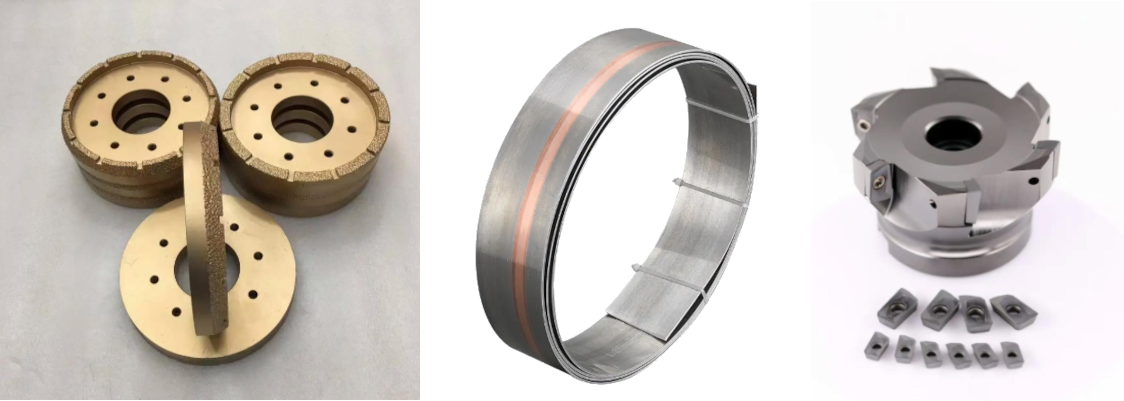
How Do Coating Thickness and Weight Gain Affect Performance?
Coating thickness and weight gain describe different aspects of a coated diamond product. Thickness refers to the physical coating layer, while weight gain measures the increase in particle mass after coating.
The relationship depends on the coating material, diamond size, morphology and surface area, so the same weight gain does not necessarily represent the same coating thickness[^9].
Typical Coating Weight Gain
| Coating Type | Typical Weight Gain | Common Specification | Main Function |
|---|---|---|---|
| Ti, TiC, W | Approx. 0.3–0.5% | Thin functional coating | Interface bonding and reaction control |
| Copper (Cu) | Approx. 30% or 50% | Cu30%, Cu50% | Metallic coverage and matrix compatibility |
| Nickel (Ni) | Approx. 30–55% | Ni30%, Ni50%, Ni55% | Mechanical anchoring and grit retention |
Ti-, TiC- and W-based coatings typically use low weight gain because they function as thin interfacial layers, while Ni-coated and Cu-coated diamond use higher coating levels to provide more substantial metallic coverage.
Higher coating levels are not always better. Excessive coating may reduce grit exposure and effective diamond concentration or increase interfacial thermal resistance in thermal composites. The appropriate coating level should therefore be matched to the diamond size, bond or matrix and application.
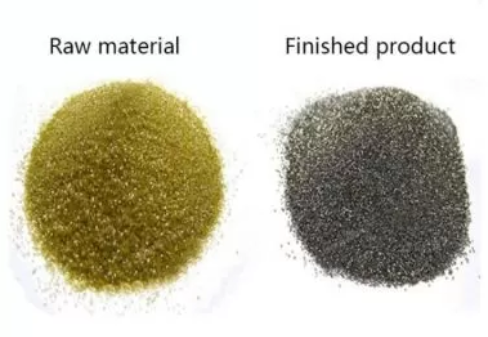
Weight gain example: A 50% weight gain means that 0.5 kg of coating is added to 1 kg of uncoated diamond, producing 1.5 kg of coated product.
Common Selection Mistakes to Avoid
-
Assuming higher coating weight gain is always better
Higher coating levels do not necessarily improve performance. Excessive Ni or Cu can reduce grit exposure, while an overly thick carbide layer may increase interfacial thermal resistance in thermal composites. -
Ignoring the base diamond specification
A coating cannot compensate for unsuitable diamond size, morphology or strength. The base diamond grade should be selected together with the coating system. -
Confusing Ti coating with pre-formed TiC coating
Ti coatings can react with diamond and form TiC during high-temperature processing, while pre-formed TiC provides an existing carbide interface. The appropriate option depends on the matrix, processing temperature and required interface performance. -
Using the same coating specification for different applications
Resin-bond tools, brazed tools and thermal composites require different interface behaviour. Coating material and level should therefore be matched to the actual bond, matrix and processing conditions.
Crownkyn Coated Diamond Powder Solutions
Crownkyn supplies coated synthetic diamond powder in different particle sizes, diamond grades and coating systems, including Ni, Cu, Ti, TiC and W coatings for bonded abrasive tools, brazed tools and metal-matrix thermal composites.
For abrasive applications, Ni-coated diamond is commonly used to improve bond retention in resin-bond grinding wheels, while Ti-, TiC- and W-coated diamond can be selected for metal-matrix and thermal management applications requiring improved interface bonding, thermal stability and efficient heat transfer.
For example, in a recent copper-matrix thermal management project, Crownkyn supplied 200 μm high-strength synthetic diamond with a controlled TiC coating below 2 μm. The thin carbide layer was selected to improve diamond-matrix bonding while limiting additional interfacial thermal resistance during hot pressing.
For a coating recommendation or quotation, please contact us with:
- Application and bond / matrix
- Diamond size — micron size or mesh grade such as 80/100, 100/120, 140/170 or 200/230 mesh
- Processing method and temperature
- Performance target — bond retention, interface bonding, thermal stability or heat transfer
- Required coating and coating level, if specified
- Trial or production quantity
If the coating type or weight gain is not yet defined, our team can recommend a starting specification for application testing.
Conclusion
Coated diamond powder should be selected according to the bond or matrix, base diamond specification, processing conditions and required interface function rather than coating type alone.
Ni coatings are commonly used to improve retention in bonded abrasive tools, while Ti, TiC and W coatings are more relevant where diamond-matrix bonding and interface control are required. The final coating material and level should be verified according to the specific application and processing conditions.
References
[1] The Effect of B Coating in Enhancing Properties of Al/Diamond Composites
Discusses how surface coatings can modify the diamond–matrix interface and improve bonding, wettability and thermal compatibility in diamond-reinforced composites.
[2][3][4] Interfacial Characterization and Thermal Conductivity of Diamond–Metal Composites
Reviews common diamond interface materials and coatings, including Ni, Cu, Ti, TiC, Cr and W; explains TiC-forming interfacial reactions during high-temperature processing; and discusses how interfacial layer thickness can influence thermal resistance in diamond–metal composites.
[5] The Interface of Additive Manufactured Tungsten–Diamond Composites
Examines tungsten–diamond interfaces and the formation of tungsten–carbon phases under high-temperature processing conditions.
[6] CVD Diamond Processing Tools: A Review
Reviews how bond chemistry, processing temperature and interface reactions influence diamond retention and tool or composite performance.
[7] Research and Development of Powder Brazing Filler Metals for Diamond Tools
Discusses the role of active elements such as titanium and chromium in improving wetting and chemical bonding during diamond brazing.
[8] Preparation and Performance of Resin-Bonded Diamond Grinding Tools
Provides support for the use of nickel-coated diamond grit to improve mechanical anchoring and grit retention in resin-bond systems.
[9] Quantifying Particle Coatings Using High-Precision Mass Measurements
Explains why coating weight gain and coating thickness are related to particle surface area, size, morphology and coating density.