Ferrous Metals
APPLICATIONS

Ferrous Metals

CBN Abrasives for Ferrous Metal Grinding & Finishing

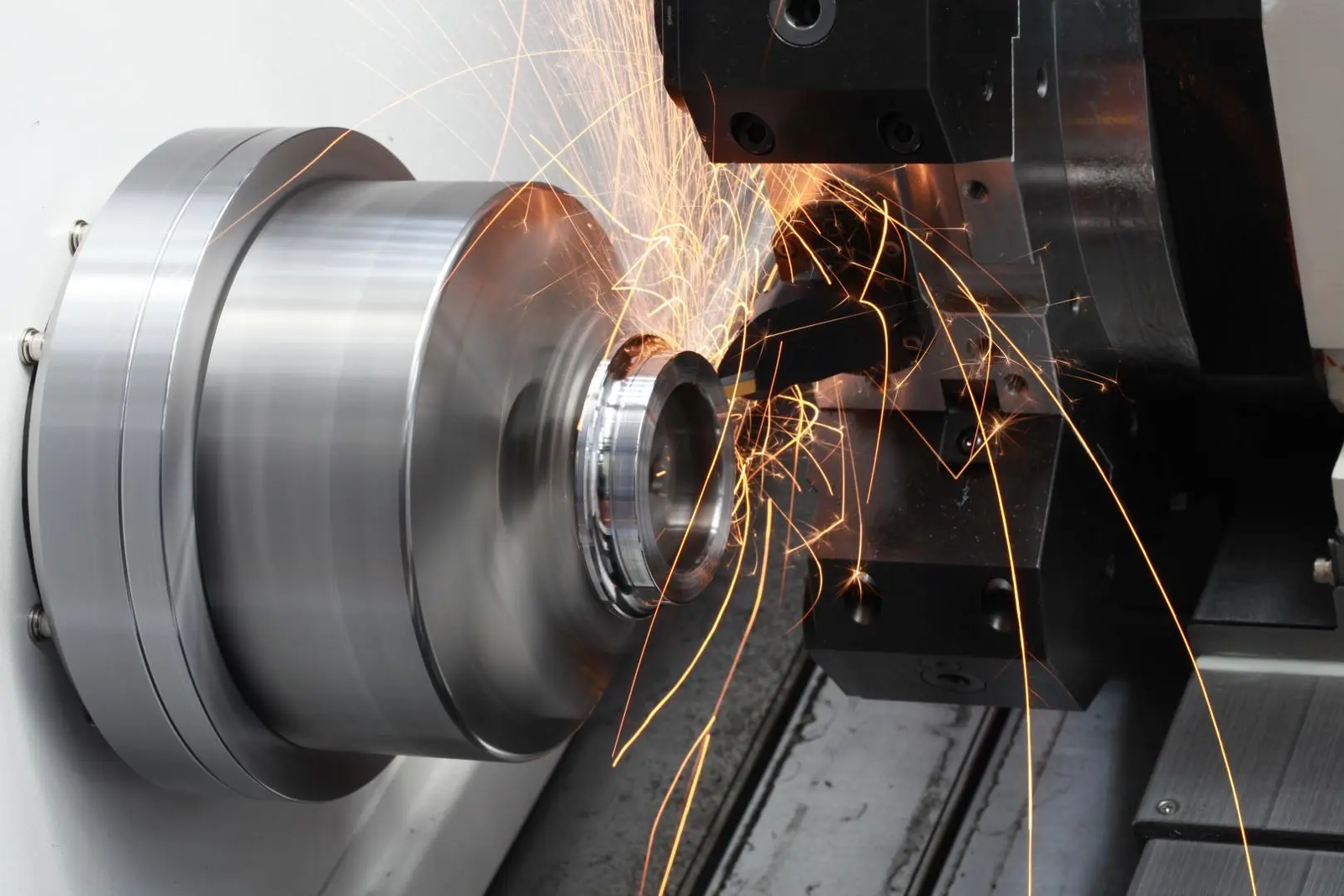
Ferrous materials such as hardened steels, tool steels, bearing steels and cast irons present demanding grinding conditions because of their hardness, toughness and the heat generated during machining. Abrasive selection directly affects cutting efficiency, grinding temperature, dimensional accuracy and tool life.

Cubic boron nitride (CBN) is widely used as a superabrasive for hardened steels and other ferrous materials because it combines high hardness with good thermal and chemical stability under demanding grinding conditions. The suitable CBN grade, particle size, strength and product form depend on the workpiece material, grinding method, bond system and required surface quality.

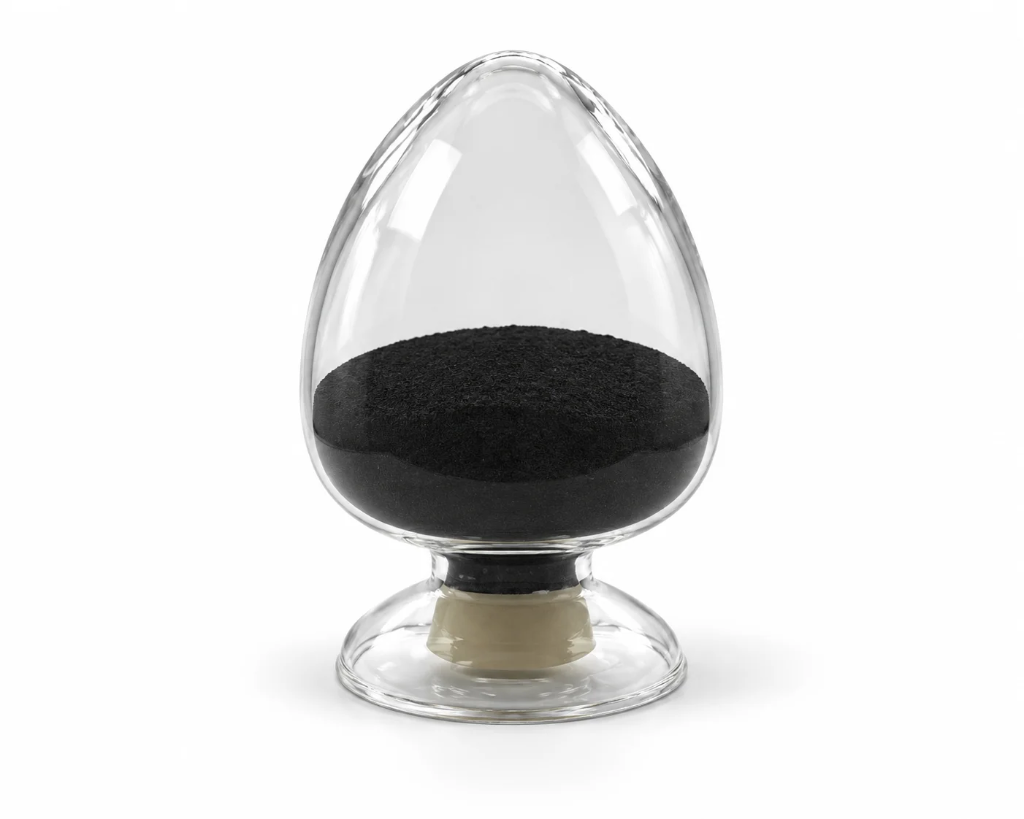
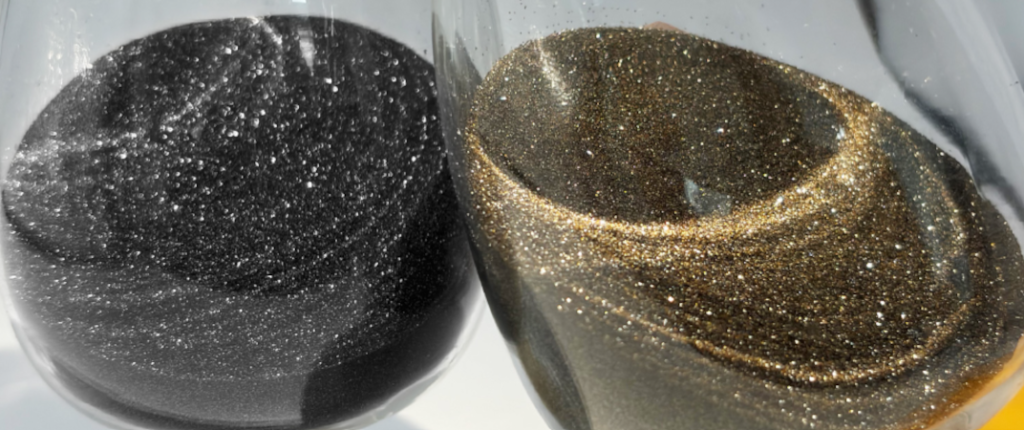
Crownkyn supplies mesh and micron CBN powders, including coated grades, for precision grinding, honing and finishing of ferrous materials in resin, metal, vitrified and electroplated abrasive systems.

Industry Challenges

Key processing challenges that influence abrasive selection and application performance.

Grinding Heat & Thermal Stability

Grinding hardened ferrous materials can generate significant heat at the cutting zone, making abrasive thermal stability and controlled cutting action important for maintaining grinding performance and workpiece integrity.

  • Control heat generation during grinding
  • Maintain abrasive stability at elevated temperatures
  • Reduce thermal damage to the workpiece

Abrasive Wear & Cutting Efficiency

Hardened steels, tool steels and other difficult-to-grind ferrous materials require abrasives that maintain effective cutting action while resisting excessive wear under demanding grinding loads.

  • Maintain effective cutting action
  • Control grain wear and fracture
  • Balance grinding efficiency and tool life

Dimensional Accuracy & Surface Integrity

Precision grinding and finishing of ferrous components must achieve the required geometry and surface quality while minimizing grinding defects and maintaining repeatable results.

  • Maintain dimensional and geometric accuracy
  • Control surface roughness and grinding defects
  • Improve process consistency

Recommended Processing Stages

Diamond abrasive type, particle size and product form can be matched to different processing stages to balance removal efficiency, dimensional control and final surface quality.

Rough Grinding & Stock Removal

Rough Grinding & Stock Removal

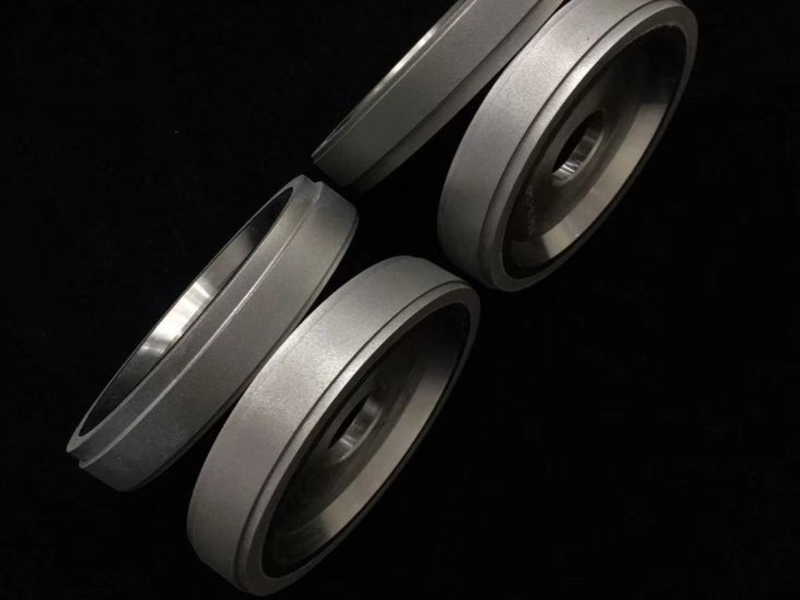
Rough grinding of hardened ferrous materials requires abrasives that can maintain cutting action under relatively high grinding loads and temperatures. Mesh CBN is widely used where conventional abrasives cannot provide sufficient wear resistance or process stability.

  • High stock removal: Coarser CBN grit can be selected for efficient material removal under demanding grinding conditions.
  • Grain strength: CBN toughness and fracture behavior should be matched to grinding load, wheel design and required self-sharpening action.
  • Workpiece compatibility: CBN is particularly suitable for hardened steels, bearing steels, tool steels and other difficult-to-grind ferrous materials.

Typical applications: Hardened shafts, bearing components, gears, tool steels and other heat-treated ferrous parts.
Precision Grinding & Profile Grinding

Precision Grinding & Profile Grinding

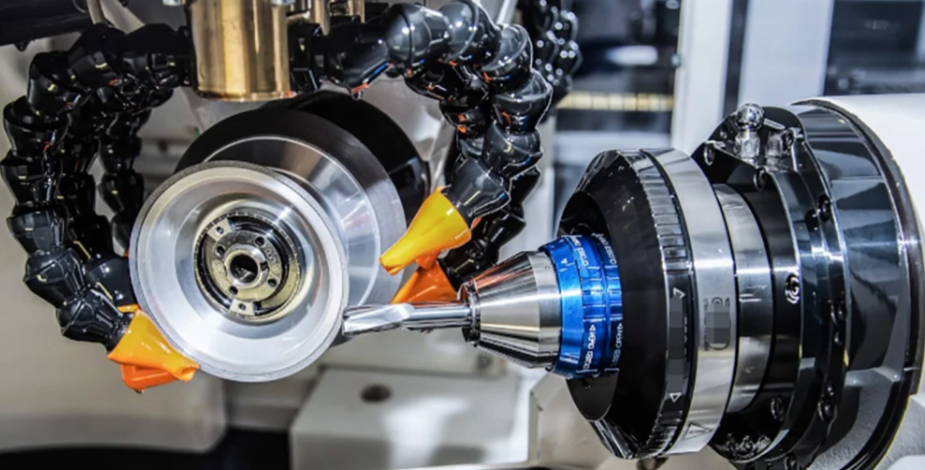
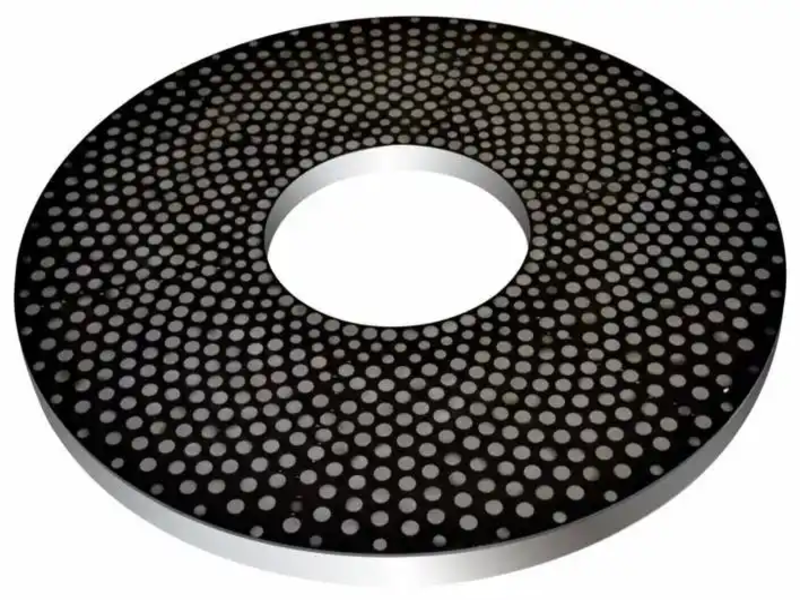
Precision grinding establishes final geometry, dimensional accuracy and controlled surface quality. CBN particle size, crystal strength and bond compatibility influence grinding stability, profile retention and wheel life.

  • Dimensional control: Controlled CBN grit supports stable grinding behavior and tighter dimensional tolerances.
  • Profile retention: Suitable grain strength and wheel design help maintain contour accuracy during profile and form grinding.
  • Bond compatibility: CBN grades can be selected for resin, vitrified, metal and electroplated systems according to the application.

Typical applications: Gears, bearing rings, crankshafts, camshafts, transmission parts and precision tooling components.

Honing & Superfinishing

Honing & Superfinishing

Honing and superfinishing refine geometry and surface texture after grinding while removing only a small amount of material. Fine CBN abrasives are used where controlled cutting action, dimensional consistency and low surface roughness are required on hardened ferrous components.

  • Honing: Fine CBN abrasives can be used to refine bore geometry, roundness and surface texture in hardened steel components.
  • Superfinishing: Controlled fine abrasives help reduce residual grinding marks and improve functional surface quality.
  • Particle control: Stable particle size distribution and low oversize content support repeatable fine-finishing performance.

Typical applications: Bearing raceways, hydraulic bores, gears, valve components and precision hardened-steel surfaces.

Fine Grinding & Surface Finishing

Fine Grinding & Surface Finishing

Fine grinding and surface finishing are used where tighter roughness, geometry or functional-surface requirements remain after precision grinding or honing. Fine and micron CBN abrasives provide controlled material removal for selected hardened ferrous applications.

  • Fine grinding: Fine CBN abrasives help reduce residual grinding marks while maintaining dimensional control.
  • Functional surfaces: Surface finish can be tailored according to friction, sealing, fatigue or contact requirements.
  • Process consistency: Controlled particle characteristics support stable finishing behavior and repeatable production results.

Typical applications: Bearing surfaces, gear flanks, sealing surfaces, precision bores and high-accuracy hardened-steel components.

How to Select CBN Abrasives for Ferrous Metal Grinding

CBN abrasive selection for ferrous metals should consider the workpiece material and hardness, grinding stage, CBN grain strength, particle size and bond system. These factors influence cutting efficiency, grinding temperature, dimensional accuracy, surface integrity and tool life.

Selection Factor
Selection Guidance
Selection Factor Workpiece Material & Hardness
Selection Guidance

Select CBN according to the ferrous material, hardness and heat-treatment condition. CBN is particularly suited to hardened steels, bearing steels, tool steels and other difficult-to-grind ferrous materials.

Selection Factor Grinding Stage & Removal Requirement
Selection Guidance

Match the abrasive to rough grinding, precision grinding, honing or fine finishing according to the required stock removal, dimensional control and surface quality.

Selection Factor CBN Strength & Fracture Behavior
Selection Guidance

Choose CBN grain toughness and fracture behavior according to grinding load, wheel design and required self-sharpening action. Higher toughness supports grain retention, while more friable grades can expose fresh cutting edges through controlled fracture.

Selection Factor Particle Size & PSD
Selection Guidance

Use coarser CBN grit for higher material removal and finer, more tightly controlled particle sizes as dimensional accuracy and surface-finish requirements increase.

Selection Factor Bond & Tool System
Selection Guidance

Match CBN characteristics to resin, vitrified, metal or electroplated systems according to grinding speed, load, coolant conditions and required wheel performance.

Frequently Asked Questions

Common questions about selecting CBN abrasives for grinding, honing and finishing of hardened steels and other ferrous materials.

Why is CBN preferred for grinding hardened steels and other ferrous materials?

CBN combines high hardness with good thermal and chemical stability when grinding hardened ferrous materials. This makes it well suited to applications where conventional abrasives may wear rapidly or generate unstable grinding performance under higher loads and temperatures.

What ferrous materials are commonly ground with CBN?

CBN is commonly used for hardened steels, bearing steels, tool steels, high-speed steels and other difficult-to-grind ferrous materials. Its suitability depends on material hardness, heat-treatment condition, grinding method and required surface quality.

What CBN grit size should be used for ferrous metal grinding?

Coarser CBN grit is generally selected for higher stock removal, while finer grit and micron CBN are used as dimensional accuracy and surface-finish requirements increase. The appropriate size also depends on wheel design, bond system, grinding parameters and workpiece material.

How do CBN grain strength and friability affect grinding performance?

Tougher CBN grains provide greater resistance to premature fracture and can support higher grinding loads, while more friable grades fracture more readily to expose fresh cutting edges. The suitable balance depends on the application, bond system and required self-sharpening behavior.

Which bond systems are commonly used with CBN abrasives?

CBN abrasives are used in resin, vitrified, metal and electroplated systems. Bond selection should be matched to grinding speed, stock-removal requirements, coolant conditions, profile-retention needs and the desired balance between cutting efficiency and tool life.

Need Help Selecting the Right Diamond Abrasive?

Share your application, processed material, current abrasive specification and target performance. Our team can recommend a suitable diamond product for evaluation.

Chat with us on WhatsApp