
Optics, Glass & Sapphire
APPLICATIONS

Optics, Glass & Sapphire

Diamond Abrasives for Optical Glass & Sapphire Cutting, Grinding and Polishing

Optical glass and sapphire are hard, brittle materials that require controlled abrasive processing to achieve precise geometry, low surface roughness and minimal subsurface damage.

Diamond abrasives are widely used for cutting, grinding, lapping and polishing. Diamond type, particle size, crystal shape and PSD should be matched to each processing stage to balance removal efficiency, edge quality and surface finish.

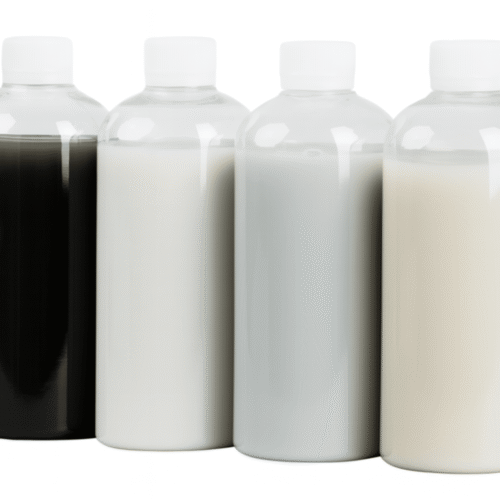
Crownkyn supplies synthetic diamond grit, micron diamond powder, diamond slurry and diamond paste for optical glass, sapphire, quartz and other precision optical materials.

Industry Challenges

Key processing challenges that influence abrasive selection and application performance.

Chipping & Subsurface Damage

Hard and brittle optical materials are sensitive to cracking and subsurface damage during cutting and grinding.

  • Edge chipping during cutting and shaping
  • Subsurface damage from brittle fracture
  • Abrasive size and strength affect damage depth

Surface Finish & Scratch Control

Optical surfaces require progressively finer finishing with strict control of scratches and residual defects.

  • Low surface roughness requirements
  • Oversize particles can cause isolated scratches
  • PSD and morphology affect surface finish

Removal Rate & Process Consistency

Efficient material removal must be balanced with stable geometry, flatness and repeatable surface quality.

  • Removal rate versus surface quality
  • Stable abrasive dispersion and concentration
  • Consistent polishing performance

Recommended Processing Stages

Diamond abrasive type, particle size and product form can be matched to different processing stages to balance removal efficiency, dimensional control and final surface quality.

Cutting and Rough Machining

Cutting and Rough Machining

Cutting and rough shaping of optical glass and sapphire require efficient material removal while controlling edge chipping, cracking and subsurface damage. Diamond selection depends on the material, cutting method, tool design and required edge quality.

  • Rough cutting and slicing: Coarser diamond grit for efficient material removal through controlled brittle fracture where sufficient finishing allowance remains.
  • Precision cutting: Finer, controlled diamond grit for reduced chipping and improved edge quality.
  • Tool performance: Monocrystalline or coated diamond can be selected according to cutting load, bond system and required grit retention.

Typical applications: Optical glass, sapphire windows, fused silica and infrared optical materials.
Precision Grinding and Shaping

Precision Grinding and Shaping

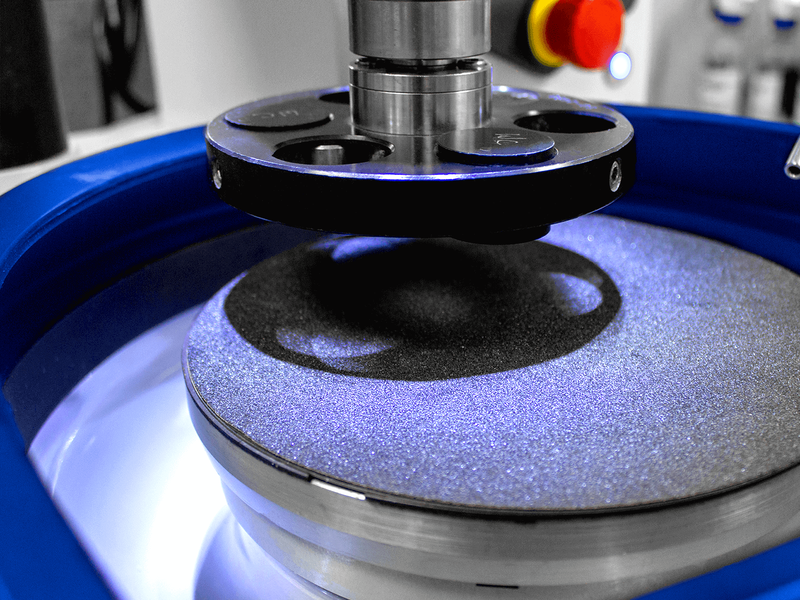
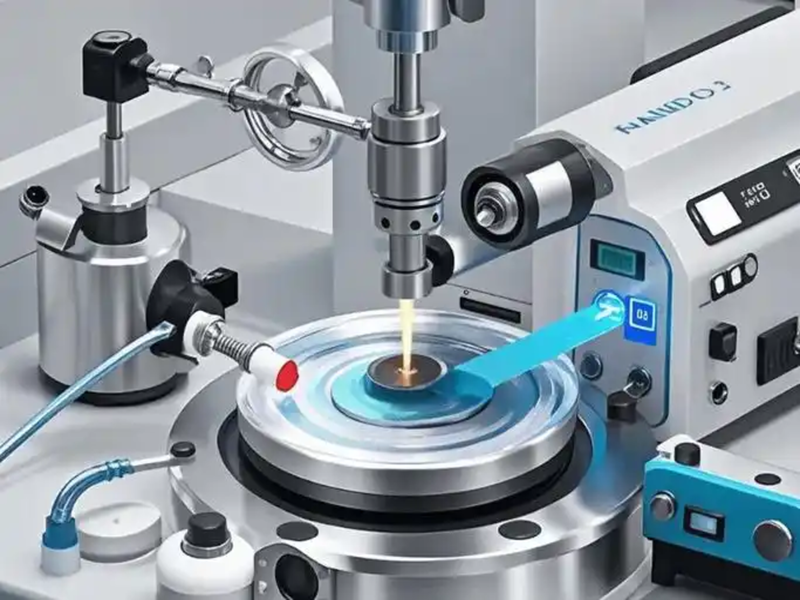
Precision grinding progressively removes cutting damage while establishing the required geometry, thickness and surface condition. Diamond grit size, strength and morphology should be matched to the material and grinding stage.

  • Rough grinding: Coarser diamond grit for stock removal and initial geometry control.
  • Fine grinding: Finer, tightly controlled diamond helps reduce brittle-fracture damage and supports lower-damage grinding toward ductile-mode removal.
  • Profile grinding: Selected monocrystalline or crushed diamond grades for stable contour and edge control.

Typical applications: Lenses, prisms, sapphire components, optical windows and precision glass parts.

Lapping

Lapping

Lapping uses loose micron diamond abrasives to remove grinding marks, improve flatness and prepare optical surfaces for subsequent polishing. Particle size, PSD and concentration influence removal rate, surface quality and process consistency.

  • Rough lapping: Coarser micron diamond for faster planarization and removal of grinding damage.
  • Fine lapping: Finer, tightly controlled diamond for improved flatness and reduced surface roughness.
  • Abrasive control: Stable PSD and dispersion help maintain consistent removal and surface quality.

Typical applications: Sapphire windows, optical flats, precision glass components and optical crystal substrates.

Polishing

Polishing

Polishing uses fine diamond powder, slurry or paste to progressively reduce lapping scratches and achieve the required optical surface finish. Monocrystalline or polycrystalline diamond can be selected according to removal rate, scratch control and finishing requirements.

  • Pre-polishing: Fine micron diamond for progressive scratch removal and surface refinement.
  • Precision polishing: Submicron or fine diamond formulations for low roughness and controlled surface quality.
  • Diamond selection: Monocrystalline or polycrystalline diamond slurry and paste can be matched to the required removal and finishing behavior.

Typical applications: Sapphire optics, precision lenses, optical windows, crystal components and optoelectronic substrates.

Ultra-Fine Finishing

Ultra-fine finishing is used where conventional micron polishing cannot meet the required surface quality. Submicron and nano diamond abrasives provide finer abrasive action, while strict PSD and oversize control help minimize isolated scratches and surface defects.

  • Submicron finishing: Fine diamond grades for reducing residual polishing defects.
  • Nano-scale finishing: Nanodiamond for specialized ultra-fine polishing processes.
  • Particle control: Tight PSD and low oversize levels for consistent high-quality optical surfaces.

Typical applications: High-precision sapphire, optical glass, optical crystals and specialty optoelectronic components.

How to Select Diamond Abrasives for Optical Glass & Sapphire

Diamond abrasive selection for optical glass and sapphire should consider the substrate material, processing stage, removal requirement and target surface quality. Particle size, diamond type, PSD and product form all influence cutting efficiency, subsurface damage, scratch control and finishing consistency.

Selection Factor
Selection Guidance
Selection Factor Substrate Material
Selection Guidance

Consider material hardness, brittleness and fracture behavior. Sapphire, optical glass, fused silica and optical crystals may require different abrasive characteristics.

Selection Factor Processing Stage
Selection Guidance

Match the abrasive to cutting, grinding, lapping, polishing or ultra-fine finishing requirements.

Selection Factor Diamond Type
Selection Guidance

Select monocrystalline, crushed, coated, polycrystalline or nano diamond according to removal rate, tool system and surface-finish requirements.

Selection Factor Particle Size & PSD
Selection Guidance

Use coarser grades for material removal and finer, tightly controlled grades as surface-finish requirements increase.

Selection Factor Product Form
Selection Guidance

Choose diamond grit or powder for bonded tools and loose-abrasive processes, or slurry and paste for controlled lapping and polishing.

Frequently Asked Questions

Common questions about selecting diamond abrasives for cutting, grinding, lapping and polishing optical glass and sapphire.

Why is diamond abrasive used for optical glass and sapphire processing?

Diamond provides the hardness and cutting ability required to process hard, brittle materials such as sapphire and many optical glasses. It is widely used in cutting, grinding, lapping and polishing where controlled material removal and surface quality are important.

Do optical glass and sapphire require the same diamond abrasive?

Not necessarily. Sapphire is significantly harder and more wear resistant than most optical glasses, while different glass compositions can vary in hardness and brittleness. Diamond type, particle size and process conditions should therefore be matched to the specific substrate and finishing stage.

What diamond particle size is suitable for sapphire and optical glass polishing?

Coarser diamond is generally used for grinding and higher material removal, while finer micron grades are used for lapping, polishing and surface refinement. The appropriate particle size depends on the starting surface, required removal rate and target finish rather than one fixed grit sequence.

What is the difference between monocrystalline and polycrystalline diamond for optical polishing?

Monocrystalline diamond provides strong cutting edges and good wear resistance, while polycrystalline diamond offers multiple cutting points and more progressive micro-fracture. Polycrystalline grades are often considered where controlled polishing action and lower scratch sensitivity are important.

Should I use diamond powder or diamond slurry for optical polishing?

Diamond powder is suitable when the polishing formulation is prepared internally, while diamond slurry provides a ready-dispersed abrasive system with controlled concentration and carrier properties. The choice depends on the polishing equipment, process control requirements and formulation flexibility.

How can scratches and subsurface damage be reduced during sapphire or glass polishing?

Scratch and damage control depend on appropriate particle size, narrow particle size distribution, low oversize content and a suitable progression between grinding and polishing stages. Stable dispersion, clean tooling and preventing cross-contamination between abrasive steps are also important.

Need Help Selecting the Right Diamond Abrasive?

Share your application, processed material, current abrasive specification and target performance. Our team can recommend a suitable diamond product for evaluation.

Chat with us on WhatsApp