Superabrasive Tool Manufacturing
APPLICATIONS

Superabrasive Tool Manufacturing

Superabrasive Materials for Diamond & CBN Tool Manufacturing

Superabrasive tool manufacturing requires diamond and CBN abrasives with controlled strength, crystal shape, particle size distribution and fracture behavior. These properties directly influence cutting efficiency, grit retention, tool life and consistency in bonded and sintered abrasive tools.

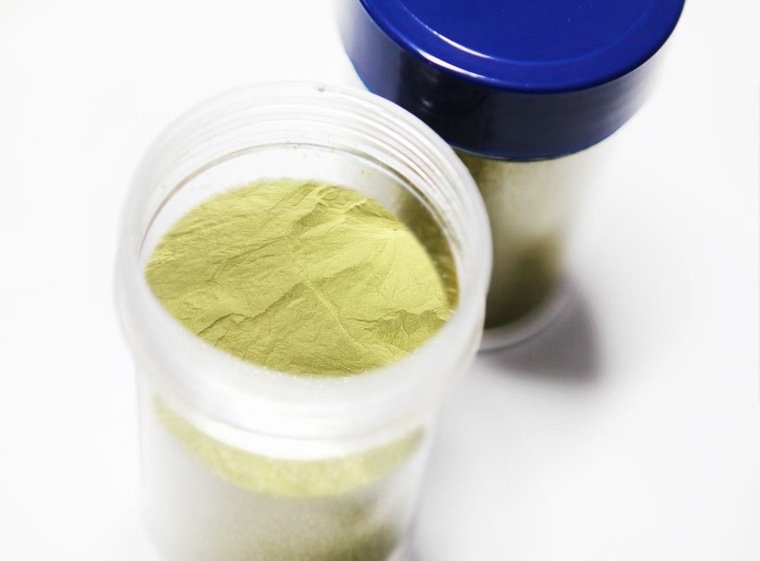
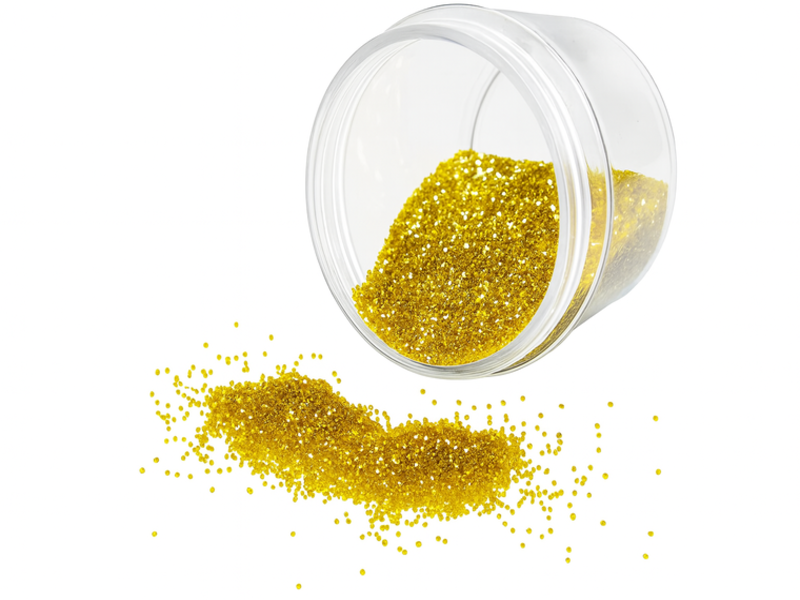
Crownkyn supplies synthetic diamond and CBN materials for grinding wheels, cutting and drilling tools, PCD/PCBN tool systems and precision abrasive products. Available solutions include monocrystalline, crushed and coated abrasives in mesh and micron sizes for resin, metal, vitrified, electroplated and brazed tool systems.

Industry Challenges

Key processing challenges that influence abrasive selection and application performance.

Abrasive Strength & Fracture Control

Diamond and CBN grains must balance toughness and controlled fracture to maintain cutting efficiency without premature grain failure.

  • Match strength to grinding loads
  • Control fracture for self-sharpening
  • Reduce premature grain breakdown

Bond Retention & Thermal Stability

Reliable grain retention is essential for maintaining tool life and performance in resin, metal, vitrified, electroplated and brazed systems.

  • Match abrasive surfaces to the bond system
  • Improve grit retention under high loads
  • Maintain stability during tool manufacturing

Particle Consistency & Tool Performance

Stable particle size, crystal shape and abrasive quality are critical for consistent tool performance across production batches.

  • Maintain consistent particle size distribution
  • Control crystal shape and grain quality
  • Improve batch-to-batch consistency

Recommended Processing Stages

Diamond abrasive type, particle size and product form can be matched to different processing stages to balance removal efficiency, dimensional control and final surface quality.

PCD & PCBN Tool Manufacturing

PCD & PCBN Tool Manufacturing

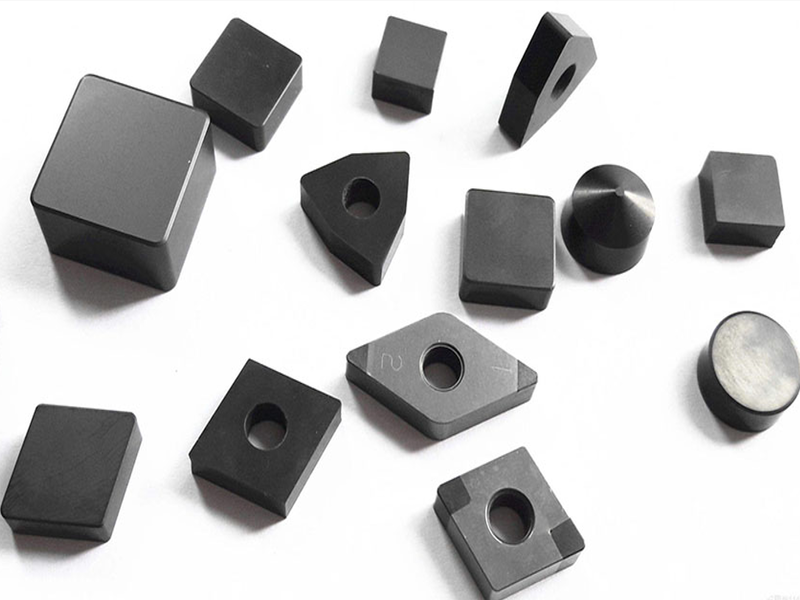
PCD and PCBN tool manufacturing requires carefully selected diamond and CBN powders with controlled particle size, crystal quality and thermal stability. Abrasive characteristics influence sintering behavior, tool structure, wear resistance and cutting performance.

  • PCD tool materials: Synthetic diamond powders with controlled crystal quality and particle characteristics for PCD sintering systems.
  • PCBN tool materials: Selected CBN powders with high thermal stability for PCBN cutting tool applications.
  • Powder selection: Particle size, strength and morphology can be matched to tool structure and performance requirements.

Typical applications: PCD inserts, PCBN inserts, milling cutters, drills and other superhard cutting tools.
Grinding Wheel Manufacturing

Grinding Wheel Manufacturing

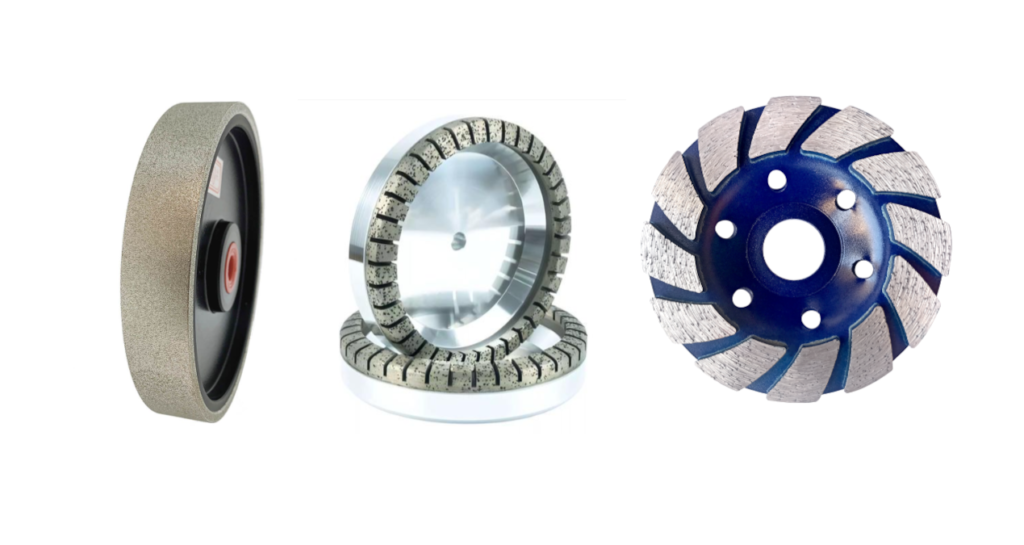
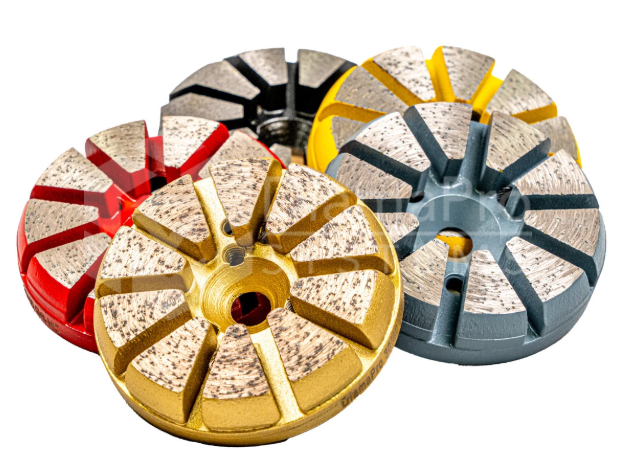
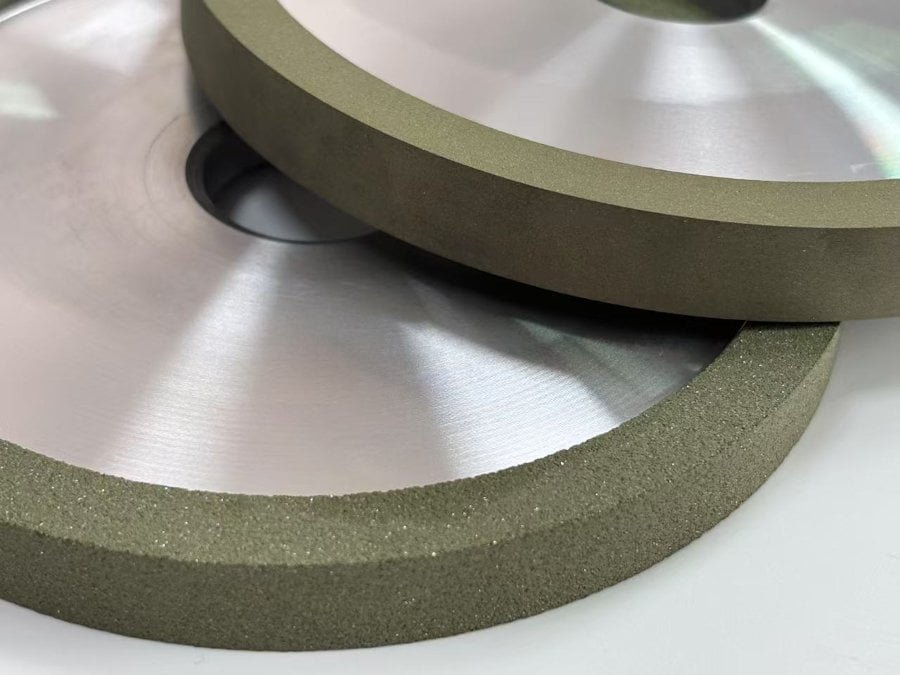
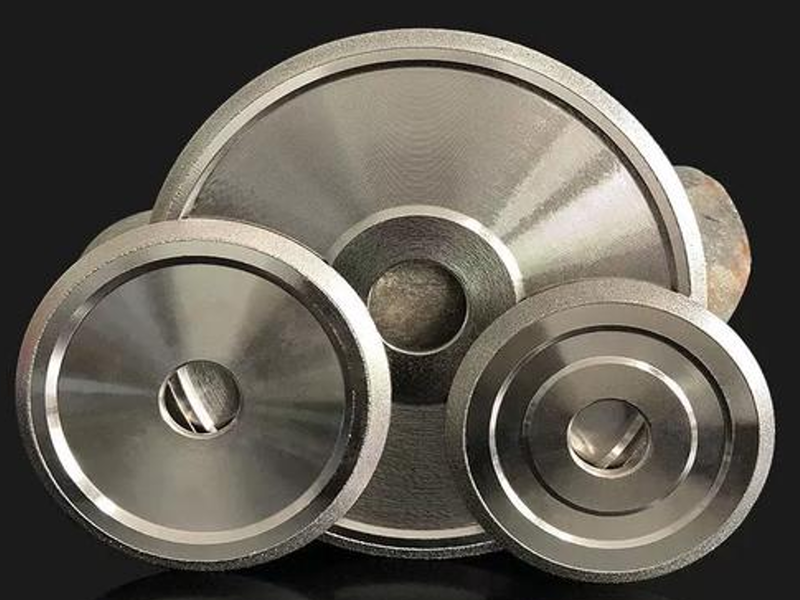
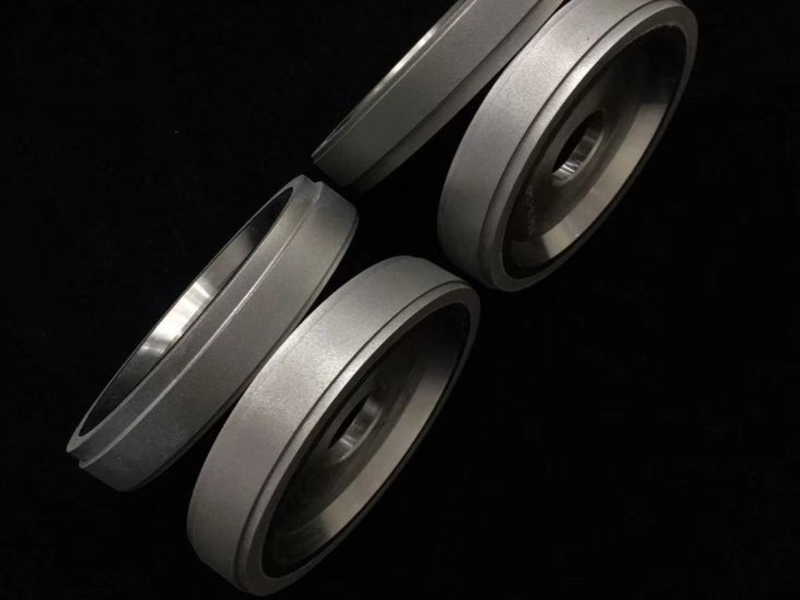
Diamond and CBN grinding wheels require abrasive grains with suitable strength, fracture behavior and bond compatibility. Abrasive selection depends on the workpiece material, bond system, grinding load and required wheel performance.

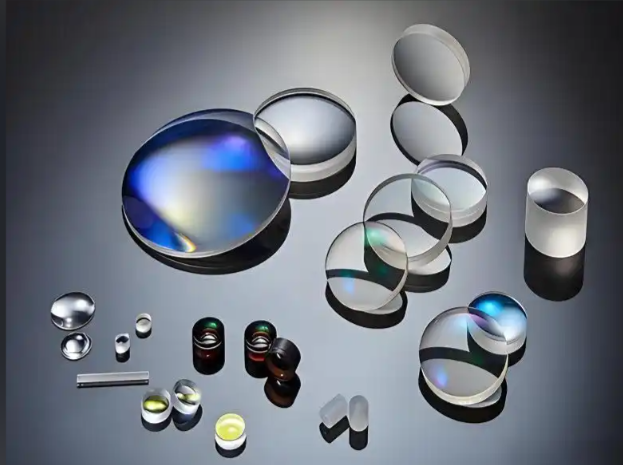
  • Diamond grinding wheels: Monocrystalline or crushed diamond for carbide, ceramics, glass and other hard non-ferrous materials.
  • CBN grinding wheels: CBN abrasives for hardened steels, tool steels and other ferrous materials.
  • Bond compatibility: Abrasive grades and surface coatings can be selected for resin, metal and vitrified bond systems.

Typical applications: Tool grinding wheels, surface grinding wheels, cylindrical wheels and precision grinding tools.

Electroplated & Brazed Tool Manufacturing

Electroplated & Brazed Tool Manufacturing

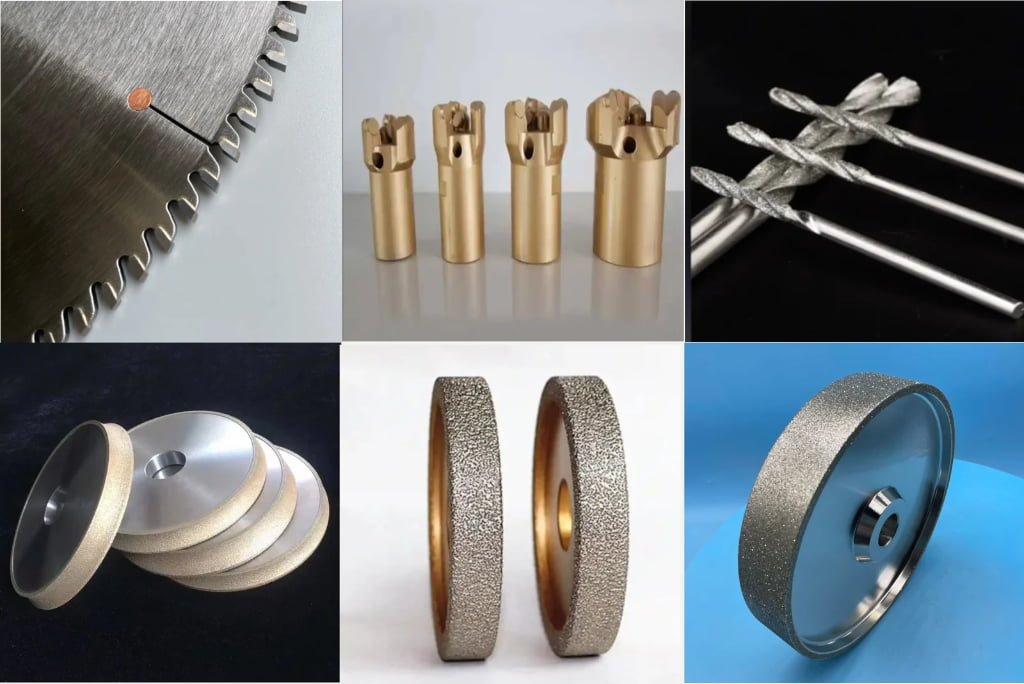
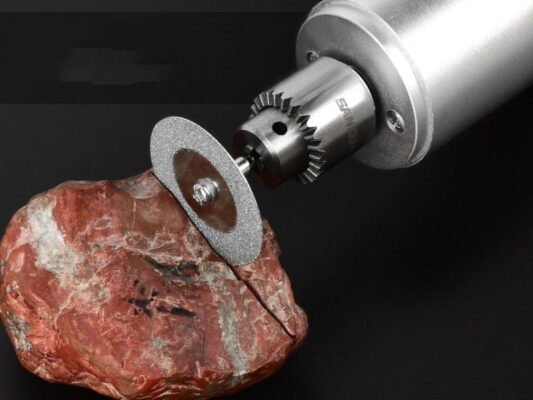
Electroplated and brazed tools depend on strong grain retention, suitable crystal strength and controlled abrasive geometry. Diamond and CBN grains can be selected according to tool design, cutting load and bonding method.

  • Electroplated tools: Controlled diamond or CBN grit for single-layer abrasive tools requiring exposed cutting edges.
  • Brazed tools: Selected high-strength abrasives for demanding cutting, grinding and profiling applications.
  • Surface treatment: Coated abrasives can support bond compatibility and grit retention in selected tool systems.

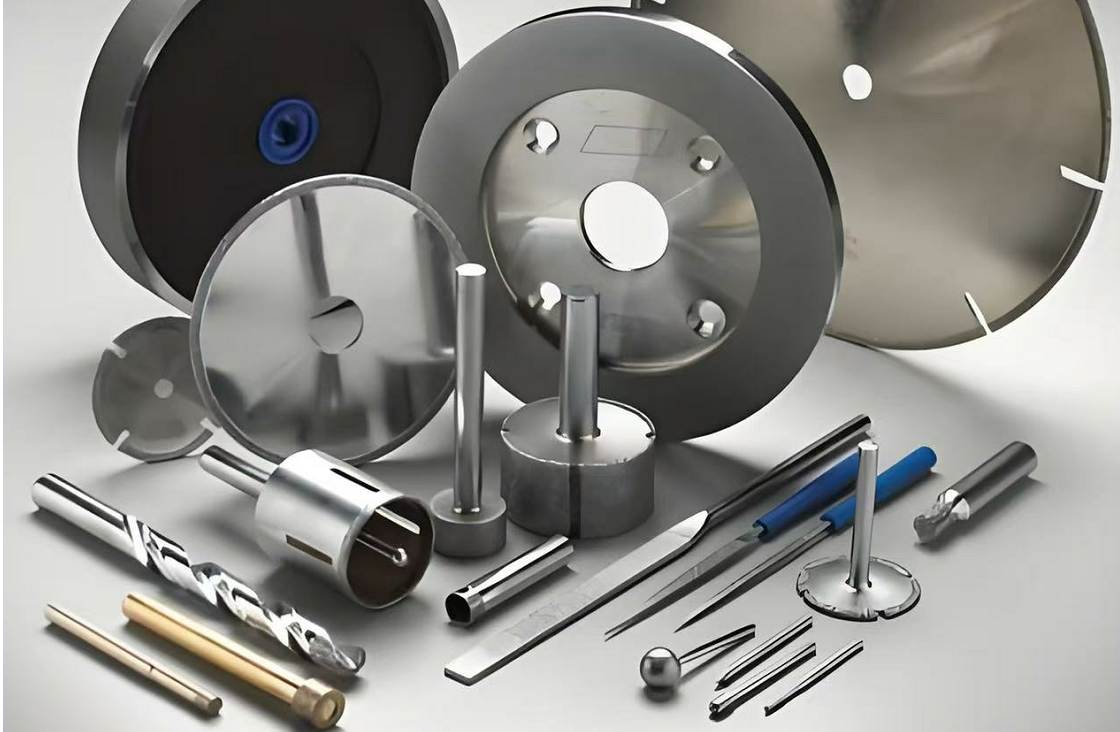
Typical applications: Diamond files, mounted points, grinding tools, profiling wheels, drills and brazed diamond tools.

Lapping & Polishing Tool Manufacturing

Lapping & Polishing Tool Manufacturing

Lapping and polishing products require tightly controlled micron diamond abrasives to achieve stable removal, surface quality and batch consistency. Diamond type, PSD and product form should be matched to the intended finishing process.

  • Lapping compounds: Micron diamond powders for controlled material removal and surface refinement.
  • Polishing products: Fine monocrystalline or polycrystalline diamond for slurry, paste and related abrasive formulations.
  • Particle control: Tight PSD and oversize control help maintain consistent polishing performance.

Typical applications: Diamond slurry, diamond paste, lapping compounds, polishing films and precision finishing products.

How to Select Superabrasives for Tool Manufacturing

Diamond and CBN abrasive selection should consider the tool type, workpiece material, bond system and required tool performance. Abrasive type, strength, morphology, particle size and surface treatment all influence cutting efficiency, grit retention, wear behavior and tool life.

Selection Factor
Selection Guidance
Selection Factor Abrasive Type
Selection Guidance

Select diamond for hard non-ferrous materials and CBN for hardened steels and other ferrous materials, while considering the specific tool and bond system.

Selection Factor Particle Size & Morphology
Selection Guidance

Match grain toughness and fracture behavior to the cutting or grinding load, tool design and required self-sharpening performance.

Selection Factor Particle Size & Morphology
Selection Guidance

Choose particle size and crystal shape according to removal rate, cutting action, surface requirements and tool structure.

Selection Factor Bond System
Selection Guidance

Match abrasive characteristics to resin, metal, vitrified, electroplated or brazed systems for stable grain retention and tool performance.

Selection Factor Coating & Surface Treatment
Selection Guidance

Consider coated diamond or CBN where improved bond compatibility, grain retention or thermal protection is required.

Frequently Asked Questions

Common questions about selecting diamond and CBN abrasives for superabrasive tool manufacturing.

How do I choose between diamond and CBN for superabrasive tools?

Diamond is generally selected for carbide, ceramics, glass, stone and other hard non-ferrous materials, while CBN is preferred for hardened steels and other ferrous materials. The final choice should be matched to the workpiece, tool type and operating conditions.

How does abrasive grain strength affect tool performance?

Tougher grains provide greater resistance to fracture and support longer grit retention, while more friable grades fracture progressively to expose fresh cutting edges. The suitable strength depends on grinding load, bond system and required self-sharpening behavior.

What diamond or CBN grit size should be used for abrasive tools?

Coarser grit is generally used for higher material removal, while finer grit and micron powders are selected for precision grinding and finishing. Grit size should be matched to the tool design, workpiece material and required surface quality.

How should superabrasives be selected for different bond systems?

Resin, vitrified, metal, electroplated and brazed systems place different demands on grain strength, surface characteristics and grit retention. Abrasive grade should therefore be selected together with the bond formulation, manufacturing process and intended tool application.

When should coated diamond or CBN abrasives be used?

Coated abrasives can be considered when improved grain retention, bond compatibility or interface performance is required. Coating type and level should be selected according to the abrasive, bond system, tool manufacturing process and operating conditions.

Need Help Selecting the Right Diamond Abrasive?

Share your application, processed material, current abrasive specification and target performance. Our team can recommend a suitable diamond product for evaluation.

Chat with us on WhatsApp