Introduction
Mesh diamond and micron diamond powder are two commonly used classifications of synthetic diamond abrasives based on different diamond grit size measurement systems.Although both are manufactured from diamond material, they are specified using different particle size grading systems and serve different processing requirements.
Understanding the difference between mesh and micron classification helps manufacturers select the appropriate abrasive for cutting, grinding, polishing, and lapping applications.
What Is Mesh Diamond and Micron Diamond Powder?
Mesh diamond and micron diamond powder are two forms of synthetic diamond abrasive distinguished by their classification method and particle size specification. Both consist of diamond particles engineered for industrial abrasive applications, but they are produced, processed, and specified differently to meet different abrasive requirements.
What Is Mesh Diamond Grit?
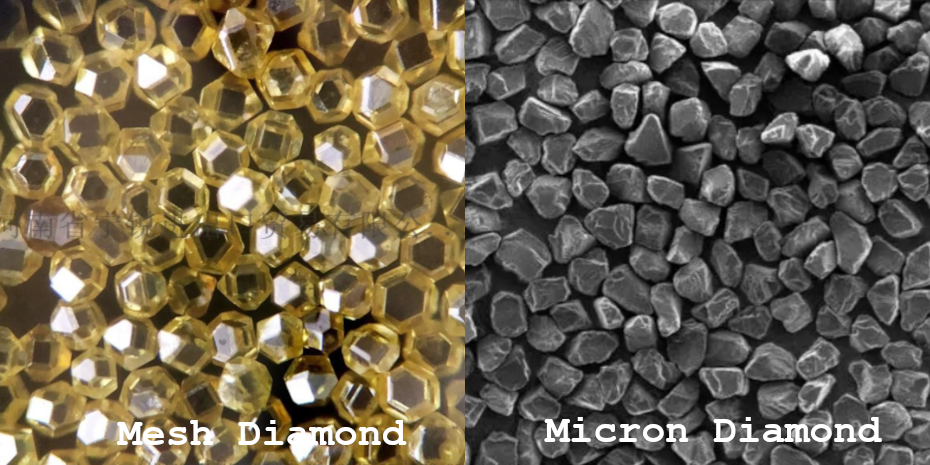
Mesh diamond grit, also known as synthetic diamond grit in industrial abrasive applications, is a synthetic diamond abrasive produced as individual diamond particles for material processing. The grit consists of discrete diamond crystals with controlled abrasive properties, including particle size range, crystal structure, strength, and particle shape[^1].
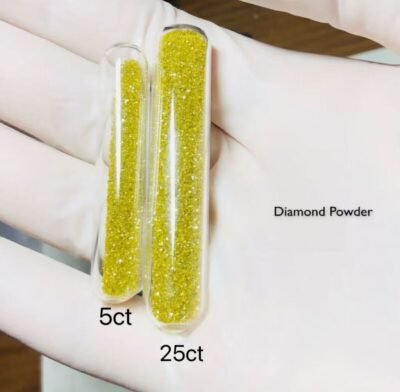
Unlike micron diamond powder, mesh diamond is typically associated with grit-based classifications used for larger abrasive particles. These diamond particles are supplied as loose grit and are commonly incorporated into abrasive tools, bonded systems, and other diamond processing products where consistent abrasive particle performance is required.
The performance characteristics of mesh diamond grit are influenced not only by particle size but also by factors such as diamond quality, crystal morphology, toughness, and the manufacturing process used to produce the abrasive.
What Is Micron Diamond Powder?
Micron diamond powder is a finely processed synthetic diamond abrasive consisting of diamond particles classified at the micron scale. It is produced through controlled processing and classification methods to achieve specific particle size ranges, narrow particle size distribution (PSD), and abrasive characteristics.
Compared with larger diamond grit used mainly for cutting and grinding applications, micron diamond powder requires tighter control of particle characteristics because small variations in particle size, shape, and distribution can directly influence abrasive behaviour during precision polishing and lapping processes[^2].
Important performance factors for micron diamond powder include particle size distribution (PSD), particle shape, surface cleanliness, and oversize particle control. These characteristics help determine polishing efficiency, surface quality, and process consistency.
Micron diamond powder is available in a wide range of fine grades and can be supplied as loose powder or incorporated into products such as diamond slurry and diamond paste, where consistent abrasive particle control is required.
Mesh Diamond vs Micron Diamond Powder Comparison Table
| Feature | Mesh Diamond | Micron Diamond Powder |
|---|---|---|
| Main Function | Cutting and grinding | Polishing and lapping |
| Typical Process Stage | Rough processing and material removal | Precision finishing and surface refinement |
| Typical Crystal Characteristics | Strength, toughness, and particle shape for efficient cutting | Particle shape, PSD, surface characteristics, and consistency for controlled finishing |
| Surface Quality Control | Medium surface control focused on cutting efficiency | High surface control focused on finish quality and scratch reduction |
| Material Removal Behaviour | High and aggressive material removal | Controlled material removal with fine abrasive action |
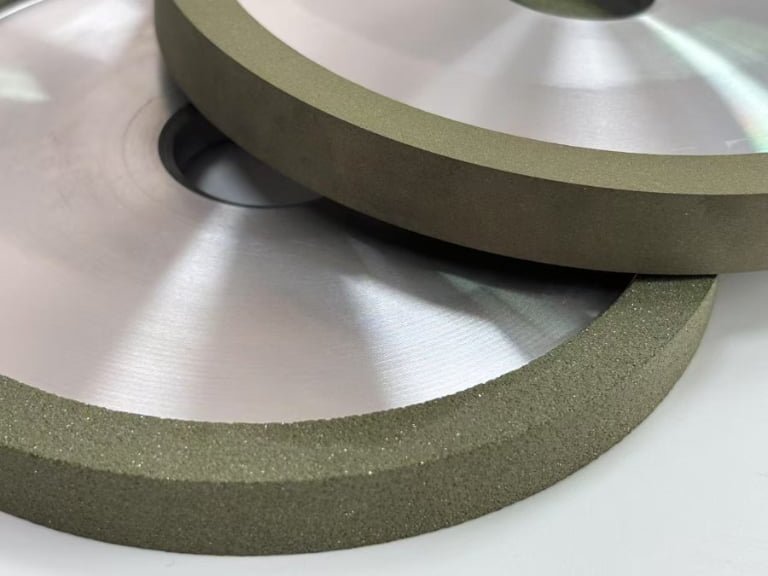
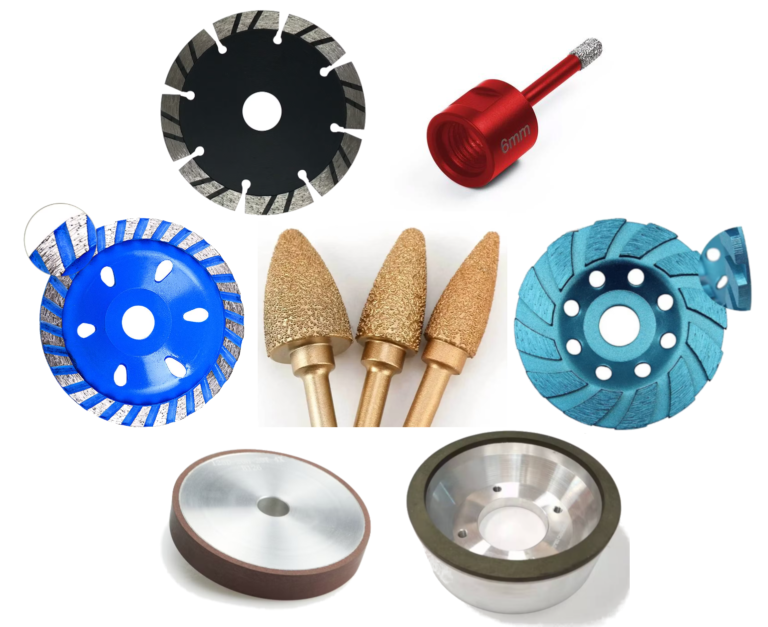
| Typical Product Form | Bonded abrasive tools such as saw blades and grinding wheels | Slurry, paste, suspension, or loose micron powder |
| Key Selection Factors | Cutting efficiency, toughness, retention, and tool performance | Particle size distribution (PSD), particle shape, surface cleanliness, and surface finish requirements |
Mesh Size vs Micron Size: Understanding Diamond Grit Size Classification
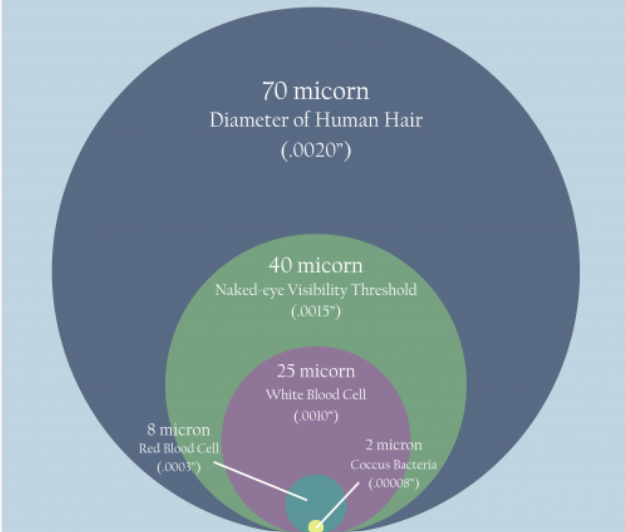
This diamond grit classification method is widely used for larger abrasive particles. Mesh size and micron size are two different classification systems used for synthetic diamond abrasives. Mesh classification is based on sieve grading, while micron classification is based on measured particle dimensions and particle size distribution (PSD).[^3] These systems are not directly interchangeable and should be selected according to the application requirements.
Mesh Size Classification
Mesh size classification is a traditional grading method used for larger diamond grit. Diamond particles are separated through standard sieve openings, and the resulting grit designation represents a particle size range rather than an exact particle diameter.
Mesh diamond grit is commonly used in cutting, grinding, and bonded abrasive tools where cutting efficiency, material removal rate, and tool performance are important.
Micron Particle Size Classification
Micron particle size classification is used for finer diamond powders where tighter particle control is required. Micron diamond powder is evaluated through particle size measurement methods to control particle size range, distribution characteristics, and oversize particle content.
This classification system is widely used for precision polishing, lapping, slurry, and paste applications where surface finish, scratch control, and process consistency are critical.
For more details about diamond particle size ranges, mesh grades, micron sizes, and selection methods, please refer to our Diamond Powder Particle Size Guide.
Choosing Mesh Diamond or Micron Diamond Powder by Application
The selection between mesh diamond and micron diamond powder depends on the role the abrasive performs during processing. While both are synthetic diamond abrasives, their particle characteristics make them suitable for different stages of material processing.
Mesh diamond is generally selected for applications where abrasive cutting action and material removal are the main objectives. Micron diamond powder is typically selected for processes where controlled finishing, surface refinement, and precision processing are more important.
Cutting and Grinding Applications
Cutting and grinding processes place greater emphasis on abrasive cutting performance and efficient material removal. During these operations, diamond particles are exposed to repeated mechanical loading[^4] as they interact with the workpiece surface.
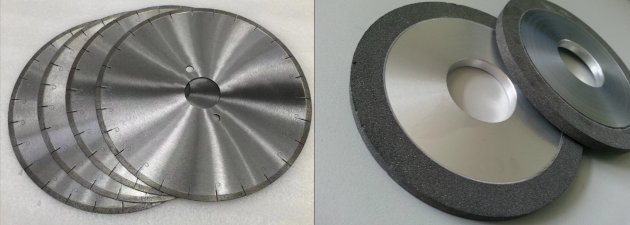
Mesh diamond grinding grit is commonly used for these applications because the grit structure provides effective cutting points for removing material during grinding and abrasive processing. The selection of mesh grade depends on the balance between removal efficiency, tool performance, and the resulting surface condition.
Typical mesh diamond applications include:
- Bonded diamond grinding wheels, saw blades, and other diamond tools where diamond grit provides the cutting abrasive.
- Grinding tungsten carbide cutting tools, dies, wear components, and precision engineering parts.
- Grinding ceramics, glass, and other hard brittle materials.
- Processing other superhard materials requiring diamond abrasive tools.
Polishing and Lapping Applications
Polishing and lapping processes require greater control over the interaction between individual abrasive particles and the workpiece surface. At this stage, the objective is to refine the surface condition while maintaining consistent finishing performance.
Micron diamond powder is commonly used for precision polishing applications requiring controlled surface finish[^5]. Its controlled particle size distribution allows abrasive performance to be optimized for different finishing stages, while particle size, shape, and distribution characteristics influence scratch formation, surface roughness, and overall finishing consistency.
Coarser micron grades may be used during intermediate polishing stages where controlled material removal is still required, while finer micron grades are selected for final finishing processes where lower surface roughness and higher precision are required.
Typical micron diamond powder applications include:
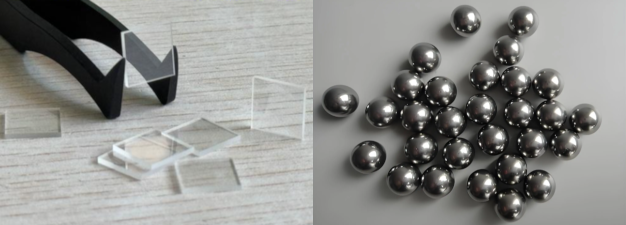
- Diamond slurry, paste, and suspension products used for precision polishing.
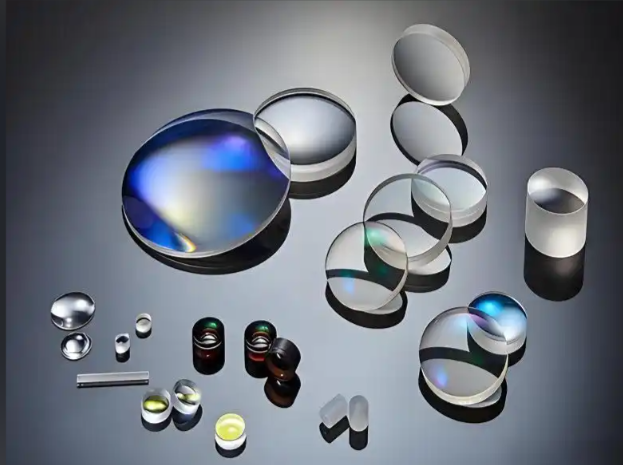
- Polishing sapphire substrates, optical glass, and precision optical components.
- Lapping tungsten carbide, ceramics, and other hard materials.
- Finishing moulds, dies, and precision components.
Application Selection Guide Table
| Application / Process | Recommended Abrasive Type | Selection Focus |
|---|---|---|
| Diamond saw blades and cutting tools | Mesh diamond | High cutting efficiency and material removal capability |
| Grinding wheels and bonded abrasive tools | Mesh diamond | Good particle retention and tool performance |
| Core drilling and heavy grinding | Mesh diamond | Suitable for aggressive cutting and stock removal |
| Intermediate polishing processes | Micron diamond powder | Controlled abrasive action and surface refinement |
| Precision lapping applications | Micron diamond powder | Fine particle control and consistent finishing |
| Optical, semiconductor and precision finishing | Micron diamond powder | Improved surface quality and scratch control |
Factors Affecting Diamond Abrasive Performance
Selecting the correct diamond abrasive involves more than choosing particle size or abrasive type. The final performance depends on how diamond particles interact with the workpiece material, bonding system, processing method, and operating conditions.
Factors such as material response, diamond retention, particle exposure, dispersion behaviour, applied pressure, and tool wear behaviour influence cutting efficiency, surface quality, and overall process stability.
Workpiece Material and Surface Requirements
The workpiece material is one of the most important factors affecting diamond abrasive performance. Material hardness, brittleness, structure, and sensitivity to surface damage determine how diamond particles interact with the processed surface.[^6]
Hard and brittle materials such as ceramics, sapphire, tungsten carbide, and glass require controlled abrasive action to balance material removal efficiency and surface integrity. For precision applications, the selected diamond grade must provide suitable cutting behaviour while minimizing scratches, chipping, and subsurface damage.
The required surface finish also influences abrasive selection. Applications requiring high-quality finishing typically require finer particle sizes and more controlled abrasive behaviour, while material removal processes may prioritize cutting efficiency and productivity.
Bond System and Abrasive Retention
The bond system determines how diamond particles are held, exposed, and renewed during abrasive processing.[^7] Different bonding systems require different diamond characteristics to achieve stable tool performance.
For bonded diamond tools, including resin bond, metal bond, vitrified bond, and electroplated tools, factors such as diamond retention, particle strength, thermal stability, and wear behaviour directly influence tool life and cutting performance.
Mesh diamond grit is commonly used in bonded abrasive tools where controlled particle exposure and retention are critical. The interaction between diamond grit and the bond system affects how effectively new cutting edges are maintained during operation.
Micron diamond powder is commonly used in loose abrasive systems such as diamond slurry, paste, and suspension, where particle dispersion, concentration stability, and surface interaction determine polishing performance.
Processing Method and Operating Conditions
Processing conditions have a significant influence on diamond abrasive performance. Equipment type, operating speed, applied pressure, lubrication conditions, cooling method, and processing time all affect abrasive behaviour during use.
For bonded tools, excessive loading, insufficient cooling, or unsuitable operating parameters may accelerate diamond wear and reduce cutting efficiency. For loose abrasive systems, slurry stability, abrasive concentration, and particle distribution influence polishing consistency and surface quality.[^8]
A diamond abrasive grade that performs well under one processing condition may not provide the same results under another. Therefore, abrasive selection should consider the complete production environment rather than relying only on particle size or product specifications.
Common Mistakes When Selecting Diamond Abrasives
Selecting diamond abrasive based on a single specification can lead to unsuitable performance, inconsistent processing results, or unnecessary costs. The correct selection requires considering particle characteristics, classification system, application method, and production requirements together.
Selecting Diamond Abrasive Based Only on Particle Size
Particle size is important, but abrasive performance also depends on crystal structure, strength, morphology, and particle distribution. Selecting only by size may result in unsuitable cutting efficiency or surface finish.
Treating Mesh Size and Micron Size as Equivalent
Mesh diamond and micron diamond powder use different classification systems and cannot be directly compared by size value alone. Confusing these systems may lead to selecting an unsuitable abrasive grade for the application.
Ignoring Bond System and Application Compatibility
Diamond abrasives must be matched with the correct processing system, including resin bond, metal bond, vitrified bond, electroplated tools, slurry, and paste applications. An unsuitable diamond grade may reduce tool performance, abrasive utilisation, or polishing consistency.
Ignoring Processing Conditions
Equipment type, operating speed, pressure load, cooling, lubrication, and processing method all influence abrasive performance.[^9] A diamond grade that works well under one condition may not achieve the same results in another process.
Choosing Diamond Abrasive Based Only on Cost
The lowest purchase price does not always provide the lowest overall processing cost. Abrasive consistency, tool life, process stability, and production efficiency should also be considered when selecting diamond products.
Quick Selection Guide: Mesh Diamond or Micron Diamond Powder?
| Your Main Goal | Recommended Choice |
|---|---|
| Maximize material removal efficiency | Mesh diamond |
| Improve cutting performance | Mesh diamond |
| Improve bonded tool cutting performance | Mesh diamond |
| Achieve fine surface finish | Micron diamond powder |
| Reduce scratches and surface variation | Micron diamond powder |
| Control precision polishing results | Micron diamond powder |
The correct choice depends on the balance between processing requirements, material characteristics, and the desired final result. The final selection should consider the complete processing system, including workpiece material, abrasive format, bond compatibility, and required surface quality.
Crownkyn Diamond Abrasive Solutions
Crownkyn supplies synthetic diamond abrasives for precision polishing, lapping, grinding, and other industrial abrasive applications. Our diamond grit and micron diamond powder products are designed for processing hard and brittle materials, including sapphire, ceramics, optical glass, tungsten carbide, and other advanced materials where controlled material removal and surface quality are required.
Selecting the right diamond abrasive requires more than choosing a particle size. The optimal specification depends on factors such as workpiece material, processing stage, required surface finish, abrasive system, and production requirements.
Crownkyn provides a range of diamond abrasive solutions, including synthetic diamond grit, micron diamond powder, diamond slurry, and diamond suspension products with different particle sizes, grades, and formats to meet various cutting, grinding, polishing, and lapping processes.
If you are evaluating a diamond abrasive solution, you can share your workpiece material, target surface finish, and processing conditions with our team.Crownkyn can help recommend a suitable diamond abrasive grade and product format based on your application requirements.
Conclusion
Selecting the correct diamond abrasive classification is essential for achieving consistent processing results in industrial applications. Mesh diamond and micron diamond powder are both important synthetic diamond abrasives, but they are designed for different processing requirements.
Mesh diamond is generally selected for cutting, grinding, and other applications where material removal efficiency and cutting performance are the primary objectives. Micron diamond powder is typically used for precision polishing, lapping, and finishing processes where surface quality and process control are more important.
The most suitable diamond abrasive depends on the complete application requirement, including workpiece material, processing method, bond system, and required surface result. Understanding the differences between mesh diamond and micron diamond powder helps users select the appropriate abrasive grade and improve process consistency.
References
[1] Diamond particle shape: Its measurement and influence
Mesh diamond grit has controlled abrasive properties including particle size range, crystal structure, strength, and particle shape.
[2] Influence of the particle size distribution on surface quality
Small variations in particle size, shape, and distribution can influence abrasive behaviour in precision polishing and lapping.
[3] Particle size and size distribution of superabrasive powders
Mesh classification is based on sieve grading, while micron classification is based on measured particle dimensions and particle size distribution.
[4] Diamond grinding wheels production study
During cutting and grinding, diamond particles are exposed to repeated mechanical loading as they interact with the workpiece surface.
[5] Fabrication and Polishing Performance of Diamond
During cutting and grinding, diamond particles are exposed to repeated mechanical loading as they interact with the workpiece surface.
[6] Review on Research and Development of Abrasive Scratching
During cutting and grinding, diamond particles are exposed to repeated mechanical loading as they interact with the workpiece surface.
[7] A bond holds abrasive grains and controls grain retention, release, and exposure during wear
The bond system controls abrasive grain retention, exposure, and renewal during abrasive processing.
[8] Size distribution measurement of mixed abrasive slurry
In loose abrasive systems, slurry stability, abrasive concentration, and particle distribution influence polishing consistency and surface quality.
[9] Recent progress and evolution of coolant usages
Equipment type, operating speed, pressure load, cooling, lubrication, and processing method all influence abrasive performance.
Drafted by: Gareth Bayley
Technical Review & Editing: Ashley Wei