Introduction
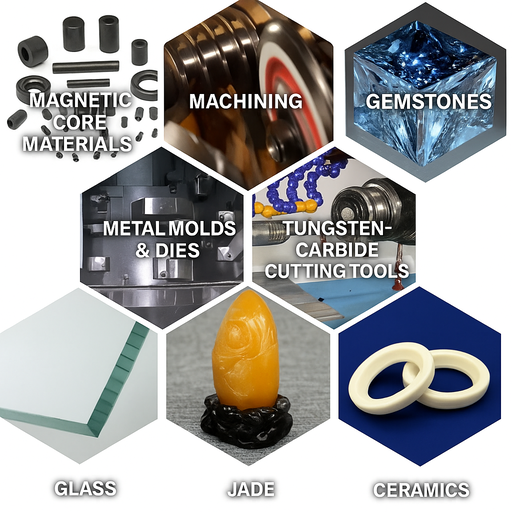
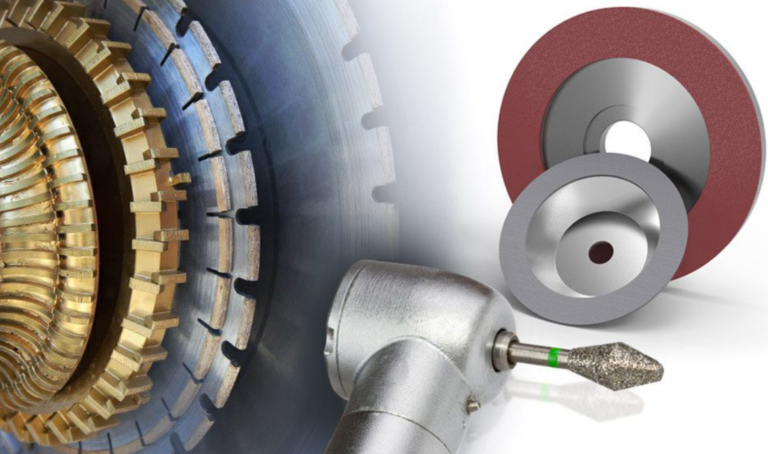
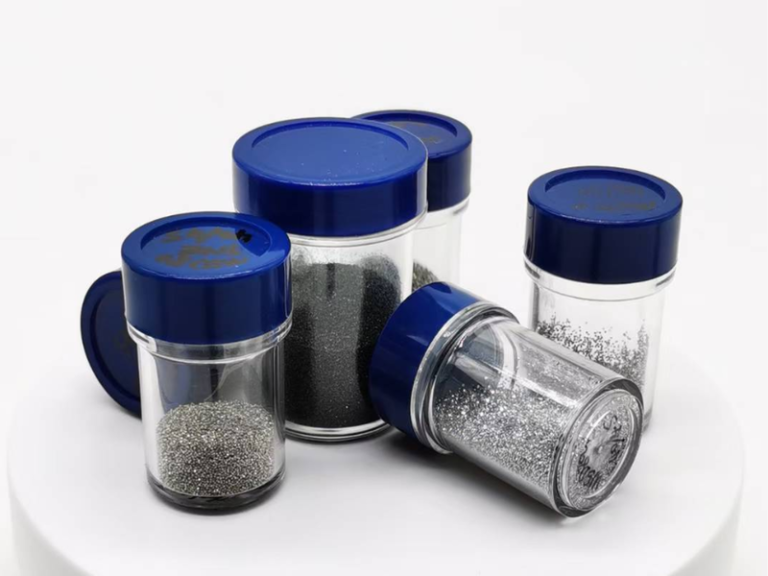
Selecting diamond powder for resin bond tools requires understanding how diamond particles interact with the resin matrix during tool operation. Unlike loose abrasive applications, diamond particles in resin bond tools must achieve the right balance between retention, exposure, and renewal, which directly affects cutting efficiency, tool life, and surface quality.
The most suitablediamond powder is not selected by one characteristic alone. Particle size, diamond morphology, abrasive characteristics, bond compatibility, and application requirements must be considered together to achieve the required balance between grinding performance and surface finish.
This guide explains the key factors involved in resin bond diamond powder selection, including particle size, diamond characteristics, coated diamond options, and application-specific requirements for grinding, polishing, and precision processing tools.
What Are Resin Bond Diamond Tools?
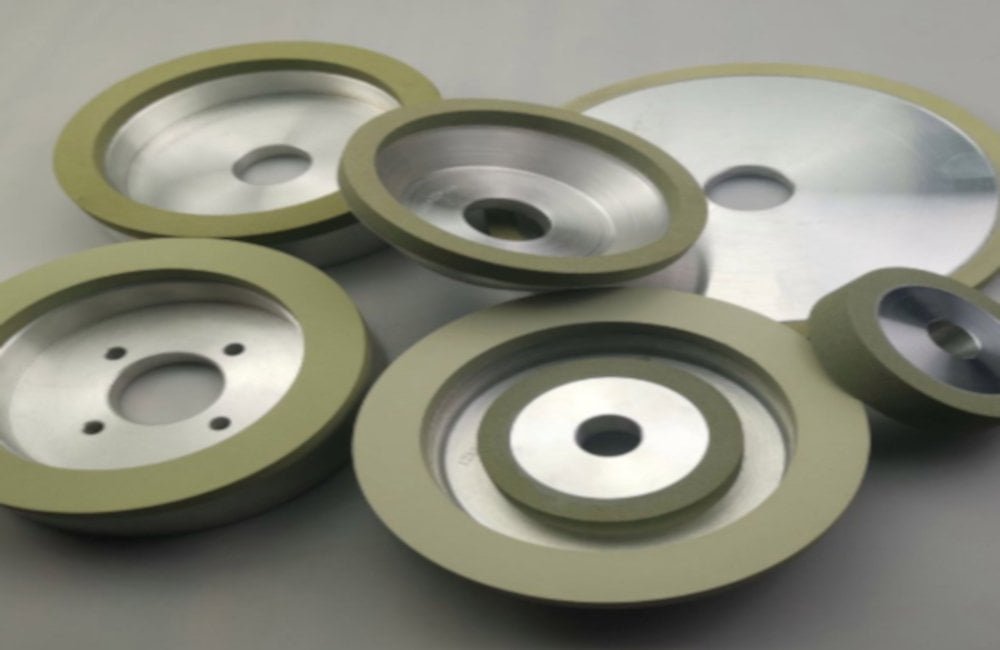
Resin bond diamond tools are bonded abrasive tools where diamond particles are embedded in a resin matrix to provide controlled cutting action.
Compared with harder bond systems such as metal bonds, resin bonds have different wear characteristics[^1], which influence diamond exposure and abrasive renewal during operation.
Resin Bond vs Metal Bond Diamond Tools
Different bond systems influence how diamond particles are retained, exposed, and renewed during tool operation. Understanding these differences helps select a suitable diamond powder grade for the intended application.
Resin Bond vs Metal Bond Diamond Tools Comparison Table
| Feature | Resin Bond Diamond Tools | Metal Bond Diamond Tools |
|---|---|---|
| Bond hardness | Resin bonds are generally softer and provide controlled wear behaviour, allowing gradual exposure of new diamond particles during operation. | Metal bonds are harder and provide stronger mechanical retention of diamond particles for extended tool life. |
| Diamond retention | Diamond retention is moderate, with the bond designed to balance particle support and abrasive renewal. | Higher diamond retention keeps abrasive particles firmly held, which is suitable for demanding grinding conditions. |
| Cutting behaviour | Provides faster diamond exposure and controlled abrasive renewal, supporting efficient cutting and finishing applications. | Maintains stable cutting edges for longer periods, making it suitable for heavy-duty grinding and high-load applications. |
| Typical use | Commonly used for grinding, polishing, and precision processing where controlled cutting action and surface quality are required. | Commonly used for heavy grinding, high material removal applications, and tools requiring maximum abrasive retention. |
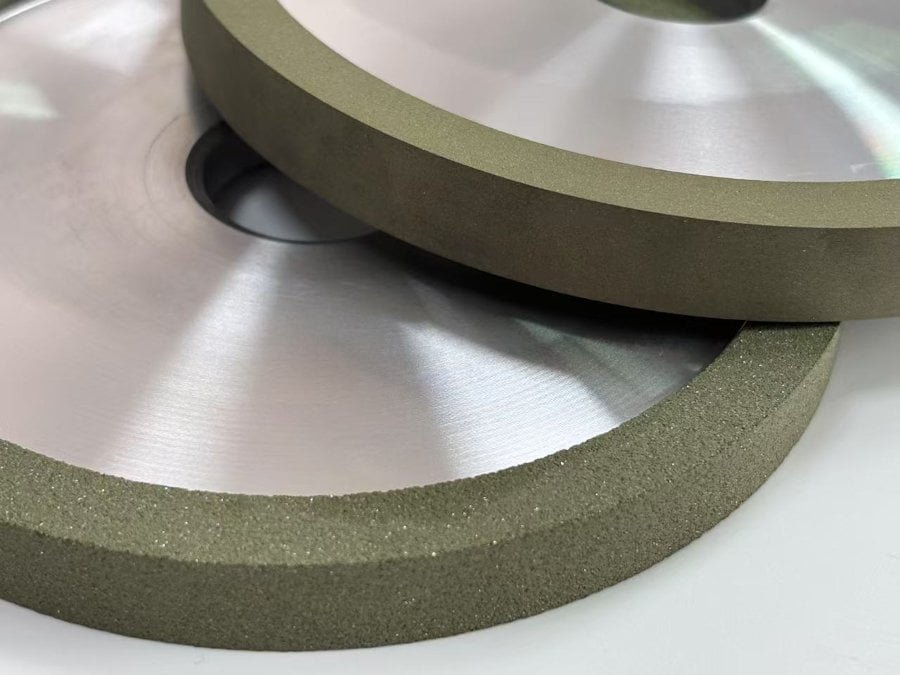
How to Select Diamond Powder for Resin Bond Tools
Selecting diamond powder for resin bond tools requires matching abrasive characteristics with the resin bond system and intended application.
The main selection factors include particle size, diamond morphology, abrasive behaviour, coating options, and overall grade consistency.
Selecting Particle Size for Resin Bond Tools
Particle size is one of the most important factors affecting resin bond diamond tool performance.
Finer diamond powders are selected where controlled cutting action and improved surface finish are required.
The appropriate particle size depends on the processing stage, workpiece material, and required surface condition.
Diamond Characteristics for Resin Bond Tools
Diamond characteristics play an important role in resin bond tool performance because the abrasive particle must work together with the resin matrix during the tool wear process.
Different diamond morphologies and surface treatments influence cutting behaviour, self-sharpening ability, diamond retention, heat generation, and tool life. The suitable diamond selection depends on whether the application requires aggressive cutting, stable abrasive performance, improved retention, or cost-effective processing.
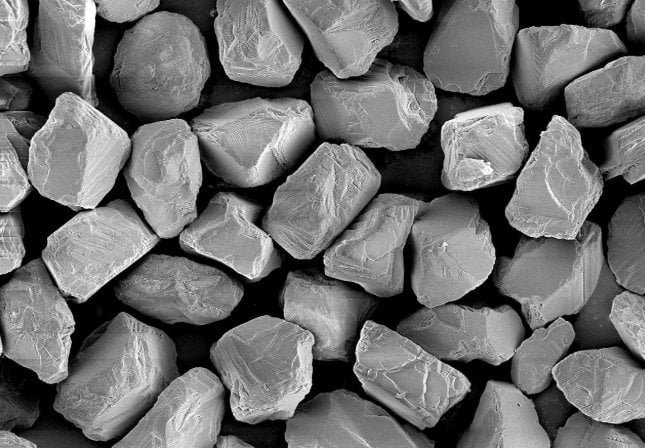
Friable & Irregular Diamond (RVD) for High Self-Sharpening
Resin bond tools often require diamond abrasives with controlled friability and self-sharpening behaviour. Instead of maintaining a worn cutting edge for too long, friable diamond particles can develop new sharp cutting points through controlled micro-fracture during operation. RVD-type diamond grit with irregular morphology is commonly selected for resin bond applications requiring efficient cutting action, reduced grinding heat, and continuous abrasive renewal. RVD-type diamond grit combines irregular morphology and sharp cutting edges, providing efficient material removal and self-sharpening behaviour in resin bond applications.
Blocky Monocrystalline Diamond for Stable Performance
Blocky monocrystalline diamond provides a stable cutting geometry and predictable abrasive behaviour compared with more friable irregular diamond particles.
It is commonly selected for applications where consistent cutting performance, longer particle utilisation, and controlled surface generation are required.
Coated Diamond for Improved Diamond Retention
Coated diamond powder is often considered for resin bond tools where improved diamond retention and thermal performance are required.
Nickel-coated diamond is commonly used because the coating increases surface roughness and improves mechanical retention between the diamond particle and resin matrix. Metal coatings can also improve heat transfer away from the cutting zone, helping maintain stable tool performance.
Coating selection depends on the tool design, bond formulation, and application requirements.
Economy Grade Selection
For cost-sensitive applications, economy-grade diamond grit may be selected where the required balance between cutting efficiency, tool life, and production cost allows the use of more economical abrasive grades.
Diamond Powder Selection by Application
The most suitable diamond powder for resin bond tools depends on the specific application requirements, including the workpiece material, processing stage, required material removal rate, and final surface quality.
Different resin bond applications require different balances between cutting efficiency, abrasive renewal, diamond retention, and surface control. Therefore, diamond powder selection should consider not only particle size, but also diamond morphology, grade characteristics, and compatibility with the intended tool application.
Diamond Powder for Grinding Wheels
Resin bond grinding wheel manufacturers select diamond powder and diamond grit according to the required balance between cutting efficiency, tool life, and surface finish.
Coarser diamond grades are generally selected for applications requiring higher material removal efficiency, while finer grades are used where improved surface control is required.
Crushed diamond grit, RVD-type diamond, and monocrystalline diamond grades may be considered depending on the required balance between cutting aggressiveness, abrasive renewal, particle stability, and tool life.
Diamond Powder for Polishing Tools
Resin bond polishing tools require diamond powders with tight particle size distribution (PSD) and consistent abrasive behaviour to achieve stable finishing performance.
Resin bond micron diamond powder is commonly selected for applications where surface quality, scratch control, and finishing consistency[^3] are important. Controlled particle size distribution and consistent diamond characteristics help maintain predictable polishing results throughout tool operation.
Diamond Powder for Carbide Grinding
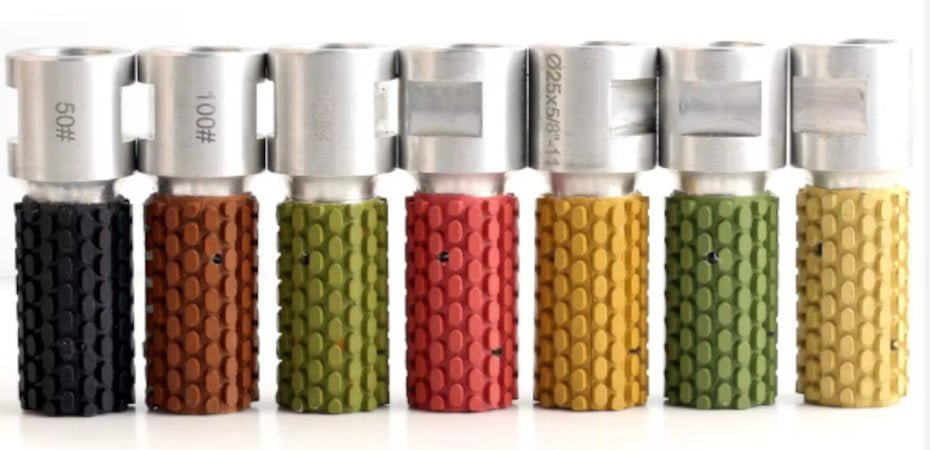
Diamond powder is widely used for grinding cemented carbide materials because of its high hardness and wear resistance.
For resin bond carbide grinding tools, diamond selection depends on the required balance between material removal efficiency, tool life, and final surface quality[^4]. Suitable diamond grit size, friability, and optional coating technologies help achieve efficient grinding while reducing excessive heat generation and surface damage.
Diamond Powder for Ceramic Processing
Ceramic materials require diamond abrasives capable of processing hard and brittle structures while controlling surface damage[^5].
Diamond powder selection for ceramic processing depends on material characteristics, required surface finish, and tool design. Controlled particle morphology, size distribution, and abrasive behaviour are important for achieving efficient processing while minimising surface damage.
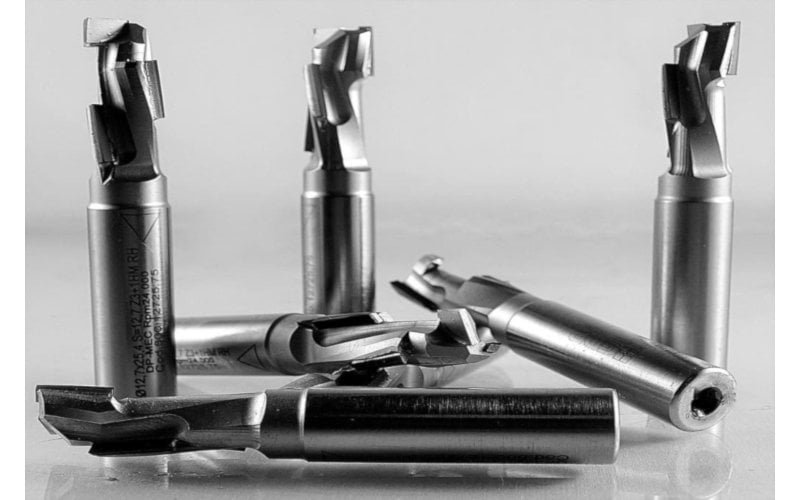
Diamond Powder for PCD Tool Finishing
PCD tools require precision finishing processes to achieve the required cutting edge quality and geometry.
Finer micron diamond powders are commonly selected for resin bond polishing tools used in PCD tool finishing, where controlled abrasive action, edge quality, and consistent surface generation[^6] are critical.
Resin Bond Diamond Powder Application Selection Table
| Application | Recommended Diamond Characteristics | Main Selection Focus |
|---|---|---|
| Grinding wheels | Friable RVD-type diamond grit / coated diamond / monocrystalline diamond | Self-sharpening, retention, heat control, and tool life |
| Polishing tools | Fine micron diamond powder with tight PSD and controlled morphology | Surface finish, scratch control, and finishing consistency |
| Carbide grinding | High-quality diamond grit with suitable friability and optional coating | Material removal efficiency, grinding stability, and thermal control |
| Ceramic processing | Controlled particle morphology and size distribution | Damage reduction, surface quality, and process consistency |
| PCD tool finishing | Fine micron diamond powder with narrow PSD and controlled cutting behaviour | Edge quality, surface finish, and dimensional accuracy |
Common Issues for Resin Bond Tool Diamond Powder
The performance of resin bond diamond tools depends on the compatibility between the diamond powder characteristics and the resin bond system.
When the abrasive grade is not properly matched with the tool design and processing requirements, problems such as low cutting efficiency, premature diamond loss, inconsistent finishing results, or reduced tool life[^7] may occur.
Reduced Cutting Efficiency
Reduced cutting efficiency usually occurs when the selected diamond powder does not provide sufficient cutting ability or abrasive renewal during tool operation.
Possible causes include unsuitable particle characteristics, insufficient cutting edges, or a mismatch between diamond behaviour and resin bond wear. The solution is not simply selecting a harder diamond, but choosing an abrasive grade that provides the required balance between cutting performance and particle utilisation.
Premature Diamond Loss from the Resin Bond
Premature diamond loss occurs when abrasive particles are released from the resin matrix before they have been fully utilised.
This may result from unsuitable diamond characteristics, poor compatibility with the resin bond, or excessive operating conditions. The selected diamond powder should provide sufficient retention within the bond while maintaining effective cutting performance during the working cycle.
Excessive Tool Loading or Poor Abrasive Renewal
Tool loading may occur when worn diamond particles are not removed or replaced by fresh cutting edges at the required rate.
This can happen when the diamond characteristics do not match the resin bond wear behaviour, resulting in reduced cutting efficiency and unstable grinding performance. Selecting suitable particle morphology and grade helps maintain effective abrasive renewal.
Inconsistent Surface Finish
Inconsistent surface finish can result from variations in diamond particle size, particle distribution, or abrasive behaviour during tool operation.
For precision applications, diamond powder with controlled particle characteristics helps maintain more predictable cutting action and stable surface quality throughout the tool life.
Poor Balance Between Tool Life and Cutting Performance
A common challenge in resin bond tools is achieving the right balance between cutting efficiency and tool life.
Diamond particles that are too resistant to wear may reduce abrasive renewal, while particles that wear or release too quickly may shorten tool life. The optimum diamond powder selection provides sufficient cutting activity while maintaining effective abrasive utilisation within the resin bond system.
Crownkyn Resin Bond Diamond Powder Solutions
Crownkyn Diamond supplies synthetic diamond powder for resin bond grinding wheels, polishing tools, and precision processing applications. Our solutions include customized diamond grades, particle sizes, morphology control, tight particle size distribution (PSD), and coated diamond options to meet different resin bond tool requirements.
With controlled particle size distribution, consistent diamond characteristics, and flexible grade selection, Crownkyn supports manufacturers seeking a balance between cutting efficiency, tool life, and surface quality.
The suitable diamond powder depends on factors including the workpiece material, tool design, processing conditions, and required performance. By understanding these requirements, Crownkyn can help recommend an appropriate diamond powder specification for each resin bond application.
If you are evaluating diamond powder for resin bond tools, please contact us with your tool type, processed material, current abrasive specification, and target performance requirements. Our team can provide a suitable diamond abrasive recommendation based on your application.
Conclusion
Selecting diamond powder for resin bond tools requires matching the abrasive characteristics with the resin bond system and the intended application. The most suitable specification depends on factors such as particle size, particle morphology, abrasive performance, and compatibility with the bond behaviour.
Different resin bond applications require different abrasive characteristics. Coarser diamond grades are generally selected for higher material removal, while finer and more controlled diamond powders are preferred for precision processing and finishing applications.[^8]
By selecting diamond powder according to the tool design, workpiece material, and processing requirements, manufacturers can achieve a better balance between cutting efficiency, tool life, and surface quality, resulting in more consistent resin bond tool performance.
References
[1] Experimental research on wear mechanism of diamond wheels
This study discusses diamond wheel wear behaviour and the influence of bond characteristics on abrasive exposure and renewal during grinding.
[2] Grinding and Other Abrasive Processes
This reference explains the relationship between abrasive grit size, material removal capability and surface finish in grinding processes.
[3] The Effect of Polishing Pastes on Surface Roughness and Microhardness
This study discusses the role of micron-sized diamond abrasives in precision polishing and their influence on surface finish and scratch control.
[4] Performance of Laser Surface Textured Cemented Carbide Tools
This research discusses how abrasive selection and grinding conditions influence removal efficiency, tool life and final surface quality in carbide processing.
[5] NASA Handbook for Recommended Material Processing
This handbook provides background information on machining hard and brittle materials, including the use of diamond abrasives for ceramic processing.
[6] The Science Behind Resin Bond Grinding Wheels
This article explains resin bond grinding mechanisms and abrasive retention behaviour in grinding wheel applications.
[7] Norton Ideal-Prime Grinding Wheels Optimize Grinding Performance
This resource discusses how abrasive selection, bond design and operating conditions influence grinding efficiency, wheel wear and surface quality.
[8] Grinding and Other Abrasive Processes
This reference explains general abrasive machining principles, including why coarse abrasives are commonly used for higher material removal while finer abrasives support finishing applications.
Drafted by: Gareth Bayley
Technical Review & Editing: Ashley Wei