
Wheel Grit Diamond for Bonded Grinding Wheels and Electroplated Tools
Crownkyn GWD wheel grit diamond covers 50/60 to 400/500 mesh for resin, vitrified and metal-bond grinding wheels, as well as electroplated abrasive tools.
Multiple strength and friability grades are available for different bond systems, workpiece materials and grinding loads, helping balance cutting efficiency, surface finish, form retention and wheel life.
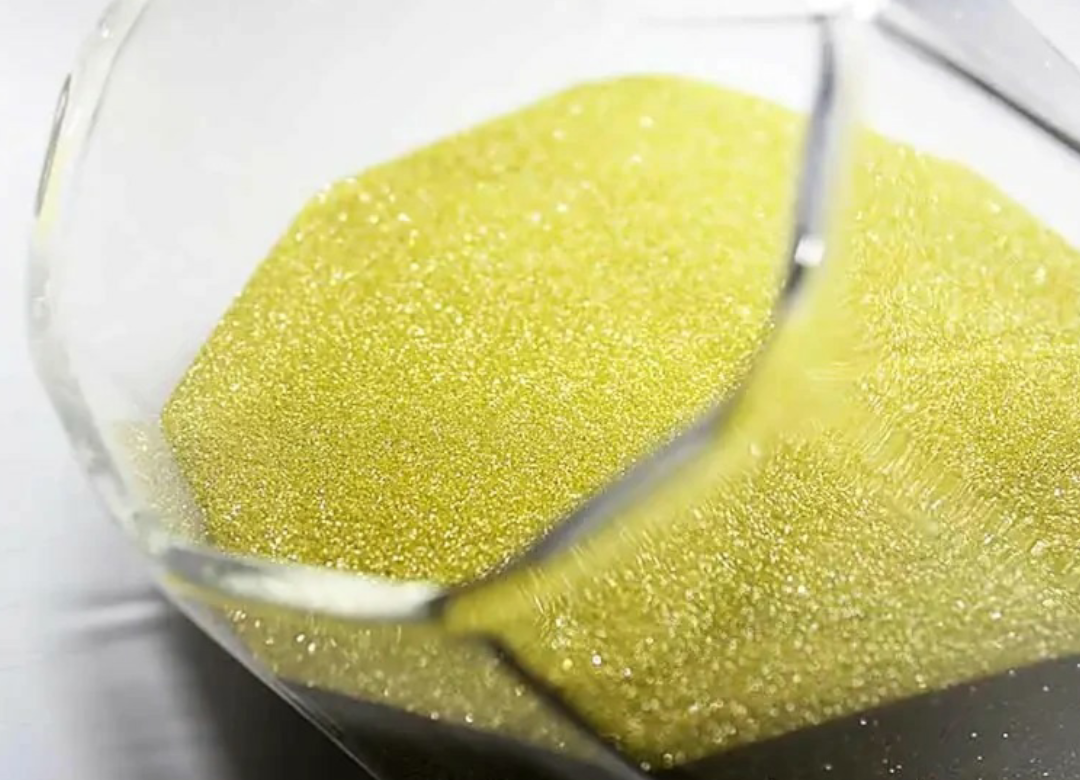
What Is Wheel Grit Diamond?
Wheel grit diamond consists of monocrystalline diamond grains used as individual cutting points in bonded and electroplated abrasive tools. During grinding, the exposed grains remove material while the diamond and bond wear at controlled rates.
More friable grades renew cutting edges readily, while tougher, blockier crystals provide greater grain stability and wheel life. The suitable grade therefore depends on the required balance between cutting action, form retention and surface finish.
Wheel grit diamond, diamond wheel grit and wheel-size diamond grit generally refer to the same synthetic diamond product family for grinding-wheel applications.
Wheel Grit Diamond vs Crushed & Sharp Diamond Grit
Both are HPHT monocrystalline diamond abrasives, but different manufacturing routes create different crystal shapes and grinding behavior.
| Comparison | Wheel Grit Diamond | Crushed & Sharp Diamond Grit |
|---|---|---|
| Manufacturing Route | Directly synthesized HPHT crystals, followed by mesh classification. | Larger HPHT crystals are mechanically crushed and classified. |
| Crystal Structure | More complete single-crystal structure. | Fractured single-crystal particles with newly exposed surfaces. |
| Typical Morphology | Semi-blocky, blocky or well-formed crystals, depending on grade. | Irregular, angular and multi-edged particles. |
| Standard Mesh Range | 50/60-400/500 mesh | 60/70-400/500 mesh |
| Grinding Behavior | Controlled balance of friability, stability and wheel life. | Sharper cutting action and faster cutting-edge renewal. |
| Common Selection | Form retention, dimensional control and stable wheel life. | Free cutting, lower grinding force and faster material removal. |
Selection note: Products with the same mesh size may perform differently. Select according to the bond system, workpiece, grinding stage, surface-finish requirement and target wheel life.
Wheel Grit Diamond Grades
Compare Crownkyn GWD wheel grit diamond grades by crystal morphology, strength, friability and grinding behavior. Standard wheel-size fractions are available from 50/60 to 400/500 mesh.

GWD810
Irregular crystals with sharp edges and high friability for fast cutting under light grinding loads.
View Grade Details
GWD815
Mostly blocky crystals with a controlled proportion of sharp particles for low-load grinding and steady edge renewal.
View Grade Details
GWD820
Relatively intact blocky crystals with medium strength and good sharpness for efficient and stable grinding.
View Grade Details
GWD830
Balanced crystal integrity and moderate strength for general grinding requiring both cutting efficiency and wheel life.
View Grade Details
GWD840
Regular, high-integrity crystals with stronger wear resistance and thermal stability for medium-load material removal.
View Grade Details
GWD860
Uniform octahedral crystals with high purity, impact toughness and thermal stability for demanding grinding conditions.
View Grade Details
GWD880
Premium complete octahedral crystals with excellent integrity and toughness for high-load grinding and surface control.
View Grade DetailsNeed Help Selecting a GWD Grade?
- Provide
- Bond + Workpiece
- Receive
- Grade Direction
Selection note: Grade categories provide general grinding-performance directions. Final selection should be confirmed according to mesh size, bond system, diamond concentration, workpiece, grinding load, wheel speed, coolant conditions, required surface finish and expected wheel life.
Wheel Grit Specifications and Quality Control
Key controls for consistent particle size, crystal quality and batch performance.
Wheel Grit Diamond Selection Guide
Match crystal strength and morphology to the grinding load, bond system and required wheel performance.
| Grinding Requirement | Typical Bond Direction | Preferred GWD Properties | Main Selection Focus |
|---|---|---|---|
| Lower-load, free-cutting grinding | Resin bond | Lower strength · Controlled fracture | Cutting efficiency, lower grinding force and heat control |
| General-purpose grinding | Resin or vitrified bond | Balanced strength · Semi-blocky to blocky | Stable removal rate, surface finish and wheel life |
| Precision and profile grinding | Vitrified or metal bond | High integrity · Controlled wear | Dimensional accuracy, form retention and consistent wear |
| High-load or long-life grinding | Metal bond or electroplated | High strength · Blocky crystals | Grain retention, wear resistance and extended tool life |
Final grade selection also depends on mesh size, workpiece, diamond concentration and actual grinding conditions.
How Wheel Grit Diamond Properties Affect Grinding Performance
Crystal shape, strength and fracture behavior determine cutting efficiency, form retention and wheel life.
Crystal Integrity & Shape
Complete, blocky crystals provide greater stability and form retention under higher grinding loads.
Strength & Fracture
Friable grades renew cutting edges faster, while tougher grades resist premature breakdown.
Cutting Edges & Morphology
Crystal morphology influences cutting aggressiveness, grinding force and workpiece engagement.
Thermal Stability & Bond
Thermal stability and surface condition affect grit retention during production and grinding.
Key Grinding Applications
Wheel grit diamond supports stable grinding of cemented carbides, advanced ceramics and other hard or brittle materials.
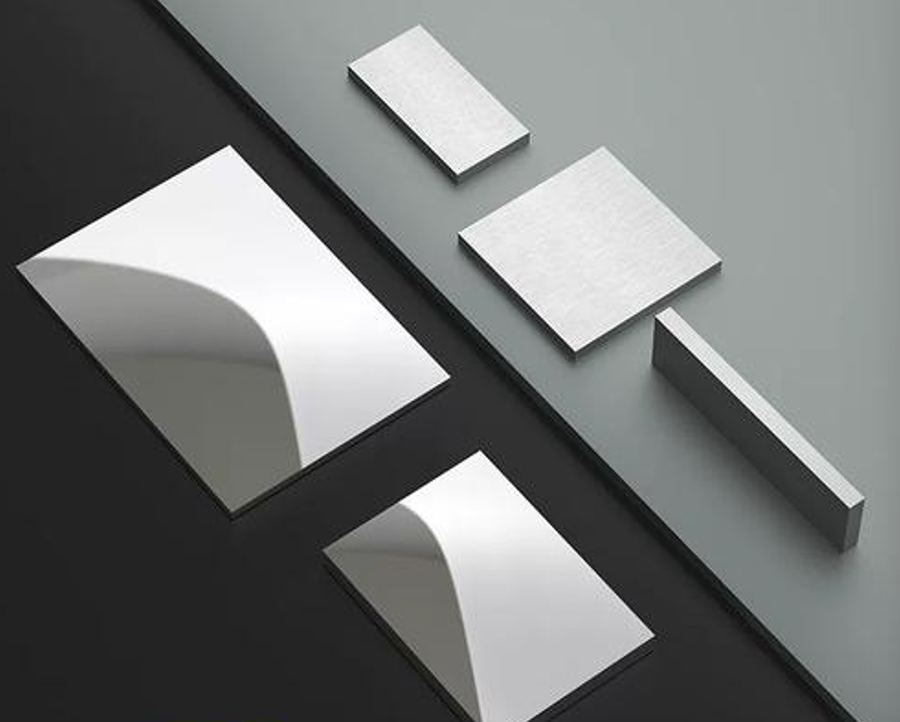
Cemented Carbides
Diamond wheel grit for grinding carbide inserts, drills, end mills, wear parts and selected PCD tools.
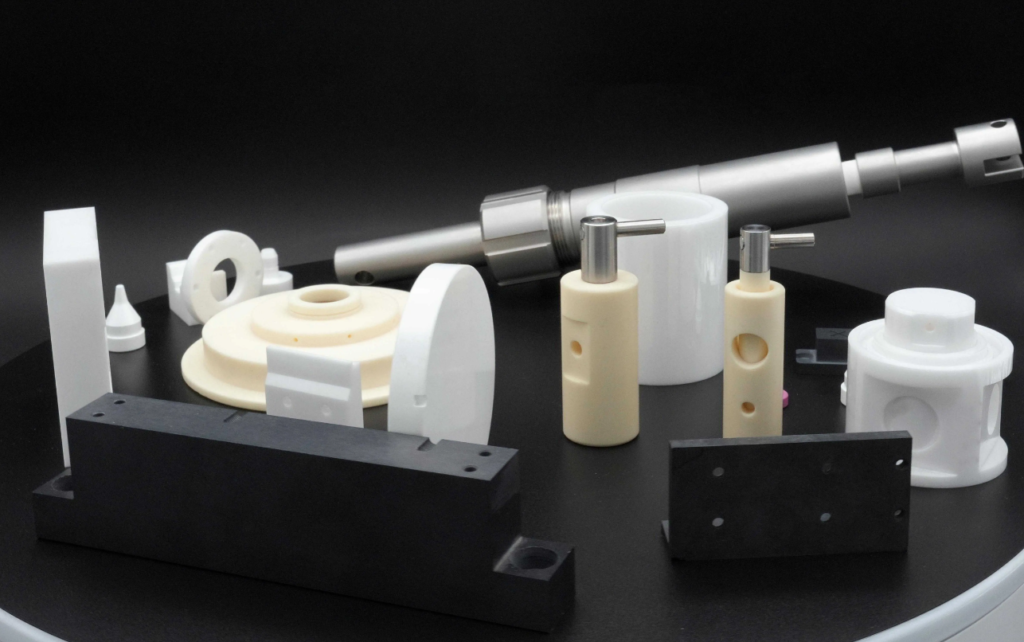
Advanced Ceramics
Wheel grit for grinding technical ceramics, ferrites and other hard-brittle components requiring controlled cutting forces.
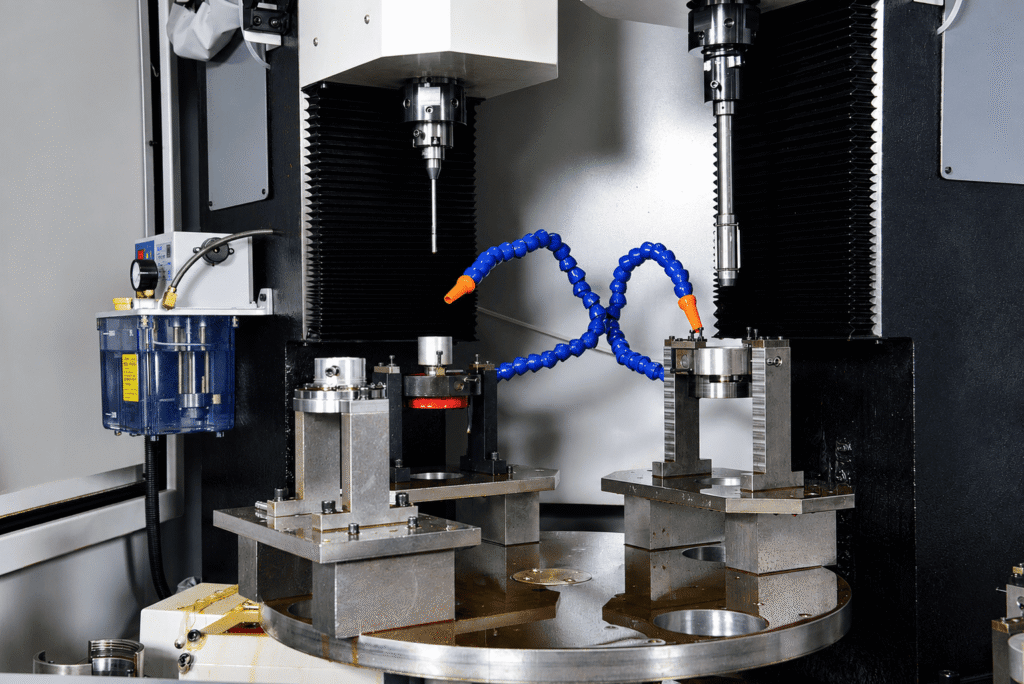
Precision Grinding & Honing
Controlled wheel grit for precision processes requiring stable material removal, dimensional accuracy and consistent wheel wear.
Related Products
Explore related diamond grit products for different tool designs and performance requirements.
Crushed & Sharp Diamond Grit
Angular crushed diamond grit for sharp cutting and rapid material removal.
View Crushed & Sharp GritCoated Diamond Grit
Coated diamond grit for improved bond retention, heat protection and interface performance.
View Coated Diamond ProductsSaw Diamond Grit
High-strength diamond grit for saw blades, core drills and wire saws.
View Saw Diamond GritTechnical Guides
Practical guidance on synthetic diamond grade selection, abrasive properties and particle size for grinding applications.
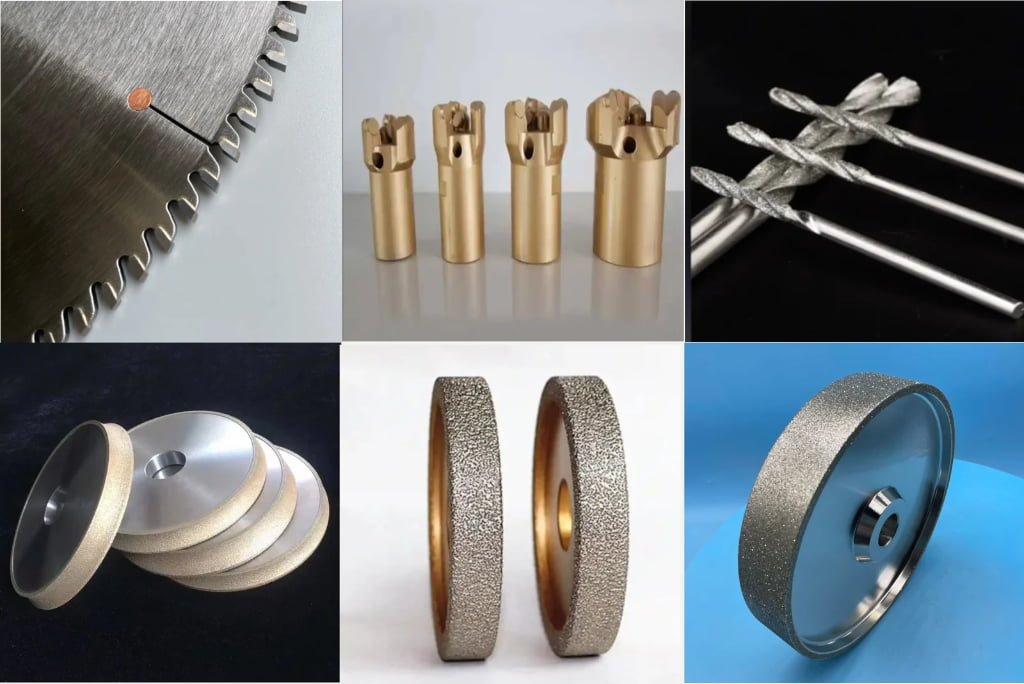
How to Choose Synthetic Diamond Powder for Cutting and Grinding
Match diamond strength, shape, friability and particle size to grinding tools, bond systems and workpiece materials.
Read Selection Guide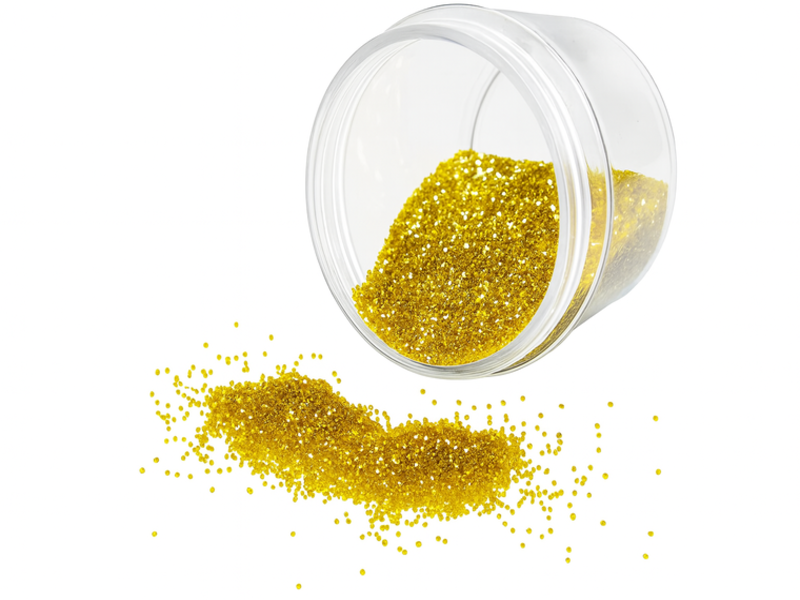
Synthetic Diamond Powder Properties and Grade Selection
Understand how crystal shape, strength, friability and thermal stability influence grinding behavior and wheel life.
Read Grade Guide
Diamond Powder Particle Size Guide: Mesh, Micron and Nano
Understand mesh designations and how grit size affects material removal, surface finish and cutting-point density.
Read Size GuideWheel Grit Diamond FAQs
Common questions about GWD grades, mesh sizes and product selection.
What is wheel grit diamond?
How is wheel grit different from crushed diamond grit?
What mesh sizes are available?
What information is needed to recommend a GWD grade?
Can wheel grit diamond be used for grinding steel?
Need Help Selecting a Wheel Grit Diamond Grade?
Share your bond system, workpiece material, grit size, grinding load, required surface finish and target balance between cutting efficiency and wheel life.