
Synthetic Diamond Grit for Sawing, Cutting and Grinding Tools
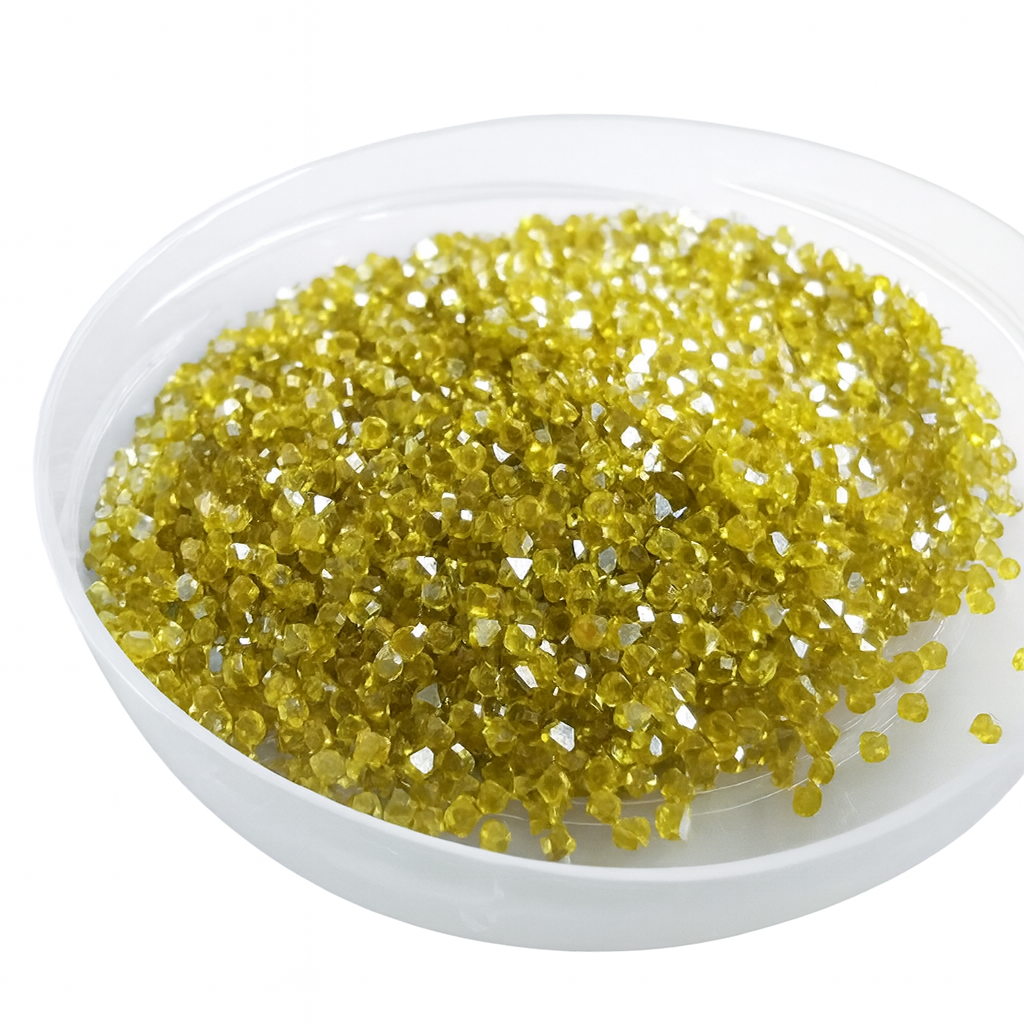
Synthetic diamond grit is a mesh-size diamond abrasive used in saw blades, grinding wheels, core drills, wire saws and bonded diamond tools where cutting efficiency, crystal strength and bond compatibility are critical.
Crownkyn supplies saw grit diamond, wheel grit diamond, large monocrystalline diamond and crushed / sharp synthetic diamond grades for resin bond, vitrified bond, electroplated and metal bond tool systems.
Synthetic Diamond Grit Product Types
Crownkyn supplies mesh-size synthetic diamond grit for saw blades, grinding wheels, core drills, resin bond tools, vitrified bond tools, electroplated tools and metal bond diamond tools.
Main Grit Series
Large Monocrystalline Diamond
Large, high-strength synthetic diamond crystals designed for heavy-duty sawing, core drilling and cutting tools requiring excellent impact resistance and long service life.
Saw Grit Diamond
Strong and consistently shaped synthetic diamond grit for saw blades, core drills and stone cutting tools operating under high mechanical impact.

Diamond Wheel Grit
Synthetic diamond grit with controlled shape, strength and friability for resin, metal and vitrified bond grinding wheels.

Crushed / Sharp Diamond
Angular and friable crushed diamond grit designed to expose fresh cutting edges during grinding and material removal.
Diamond Grit Selection by Bond System
The appropriate diamond grit grade depends on the bond system, processing temperature, required cutting efficiency and tool life. Crownkyn can match crystal shape, strength and friability to different diamond tool formulations.
Resin Bond
Friable or semi-friable diamond grit that continuously exposes fresh cutting edges during grinding.
Vitrified Bond
Thermally stable diamond grit with controlled fracture behavior for vitrified tools and higher-temperature processing.
Electroplated Tools
Strong, sharp diamond grit designed for cutting-edge exposure and reliable retention in a single plated layer.
Metal Bond
Strong, blocky diamond grit for tools requiring high particle retention, wear resistance and extended service life.
Not sure which diamond grit grade fits your bond system?
Tell us your bond type, tool application and required grit size for a suitable grade recommendation.
Need Ni, Cu, Ti or TiC coating? Explore coated diamond options .
Synthetic Diamond Grit Selection by Tool and Bond System
Compare typical grit types and mesh ranges based on your tool structure, bond system and required cutting performance.
| Tool / Bond System | Recommended Grit Type | Typical Mesh Range | Key Selection Factors |
|---|---|---|---|
| Stone & Concrete Saw Blades | High-strength blocky saw grit | 30/35 – 70/80 mesh | Crystal strength, blocky shape and impact resistance |
| Core Drill Bits | High-strength monocrystalline saw grit | 20/25 – 60/70 mesh | Toughness, grit retention and thermal stability |
| Resin Bond Grinding Wheels | RVD-type or friable crushed diamond | 80/100 – 400/500 mesh | Friability, self-sharpening and cutting efficiency |
| Vitrified Bond Grinding Wheels | Thermally stable grit with controlled friability | 80/100 – 400/500 mesh | Thermal stability, friability and bond compatibility |
| Electroplated Files, Burrs & Wheels | Sharp, strong monocrystalline diamond grit | 60/80 – 325/400 mesh | Sharpness, grain exposure and crystal strength |
| Metal Bond Grinding Wheels | High-strength blocky monocrystalline grit | 50/60 – 230/270 mesh | Grit retention, wear resistance and tool life |
Mesh ranges are general references. Final grit selection depends on the workpiece material, bond formulation, tool design and operating conditions.
Key Factors for Synthetic Diamond Grit Selection
Select the right grit by mesh size, crystal shape, strength, friability and bond system.
Grit Size & Consistency
Mesh size and batch consistency affect cutting rate, tool load and finished surface quality.
Crystal Shape
Blocky grit improves strength and retention, while sharp grit provides more aggressive cutting edges.
Strength & Friability
Strong grit withstands heavy impact, while friable grit renews cutting edges during grinding.
Bond & Thermal Compatibility
Match grit strength, surface and thermal stability to resin, vitrified, metal or electroplated tool systems.
Synthetic Diamond Grit Main Applications
Synthetic mesh diamond grit supports sawing, drilling, grinding and superabrasive tool manufacturing across demanding applications.

Stone & Concrete Processing
Saw grit for diamond blades, core drills and wire saws used to cut granite, marble, concrete and engineered stone.
Superabrasive Tool Manufacturing
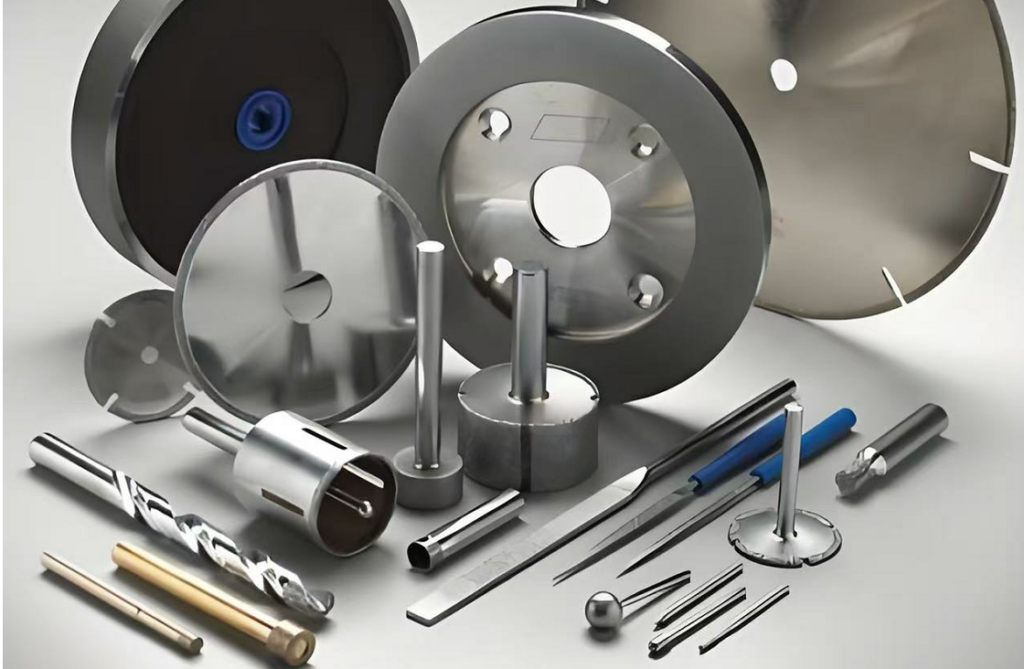
Controlled diamond grit for resin, metal, vitrified and electroplated grinding, cutting and dressing tools.
Cemented Carbides
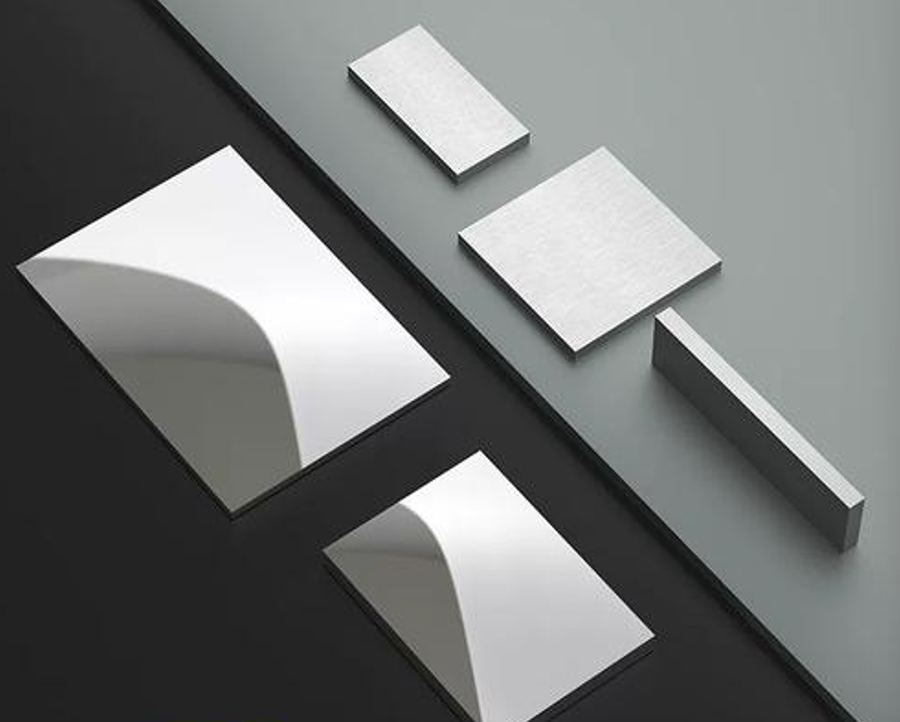
Wheel grit for grinding carbide inserts, rods, dies, punches and cutting tools during production and regrinding.

Geological Drilling & Mining
High-strength diamond grit for core bits, drilling tools and sampling equipment used in exploration and mining.
Advanced Ceramics
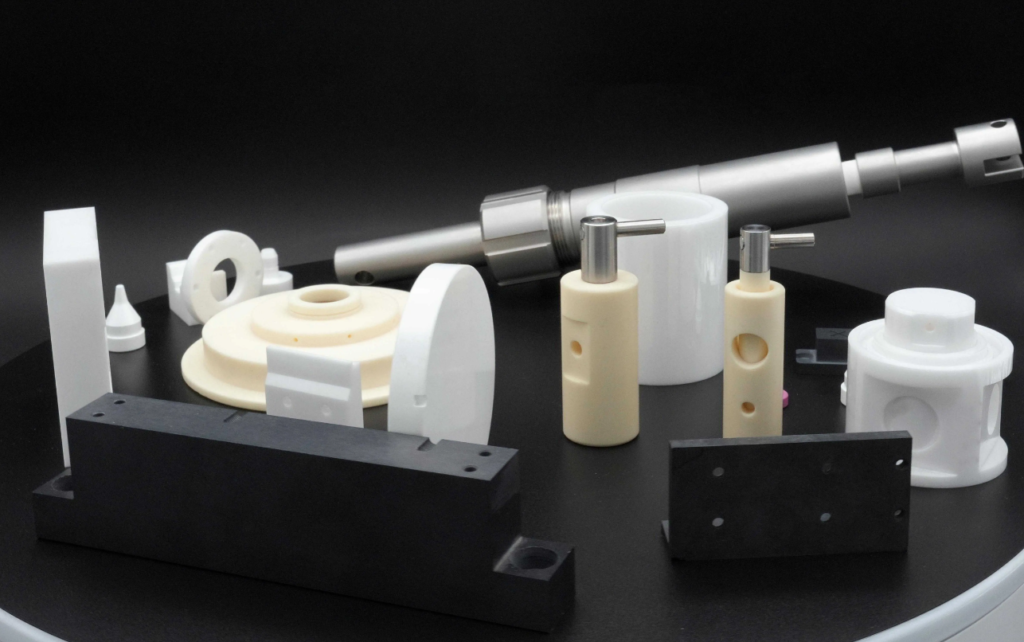
Diamond wheel grit for grinding and cutting technical ceramics, ferrites, glass and other hard brittle materials.
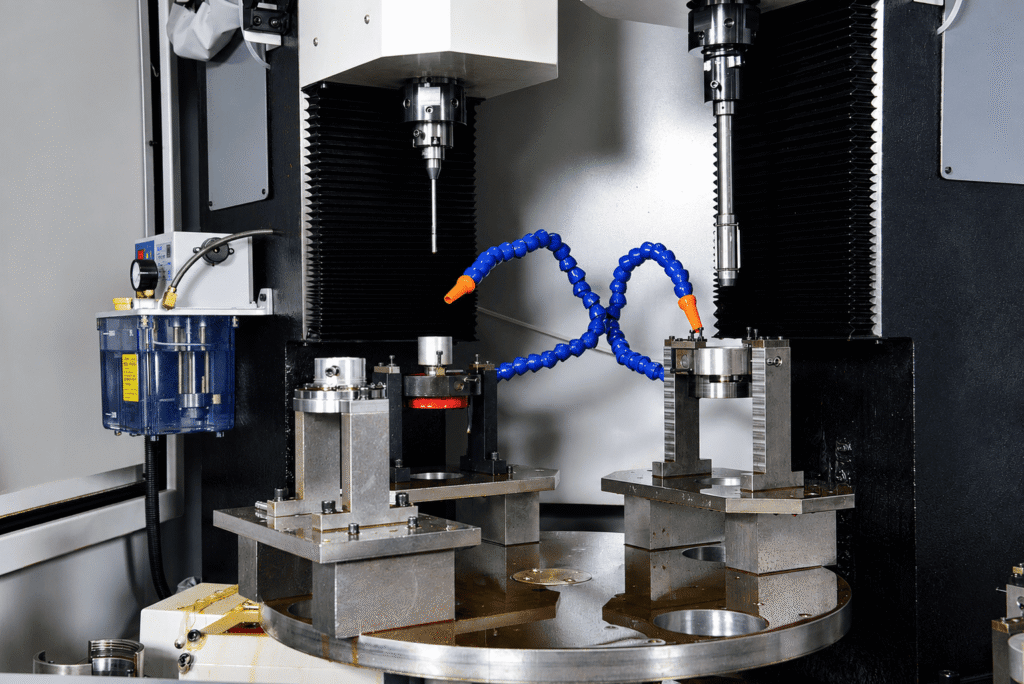
Precision Grinding & Honing
Controlled wheel grit for precision grinding processes requiring stable removal, dimensional accuracy and consistent tool life.
Related Product Families
Explore complementary superhard material products from Crownkyn Diamond.
Coated Diamond Powder
Ni, Cu, Ti and TiC coated diamond for improved bonding and retention in resin, metal and electroplated tools.
View ProductsMicron Diamond Powder
Ultra-fine micron and sub-micron diamond for lapping, polishing, precision grinding and semiconductor applications.
View ProductsCBN Powder
Cubic boron nitride powder for ferrous metal grinding, high-temperature stability and precision tool applications.
View ProductsDiamond Slurry & Paste
Ready-to-use diamond suspension and paste for ultra-precision lapping, polishing and surface finishing.
View ProductsRelated Guides
Practical guides for selecting synthetic diamond grit by particle size, crystal shape, strength and tool application.
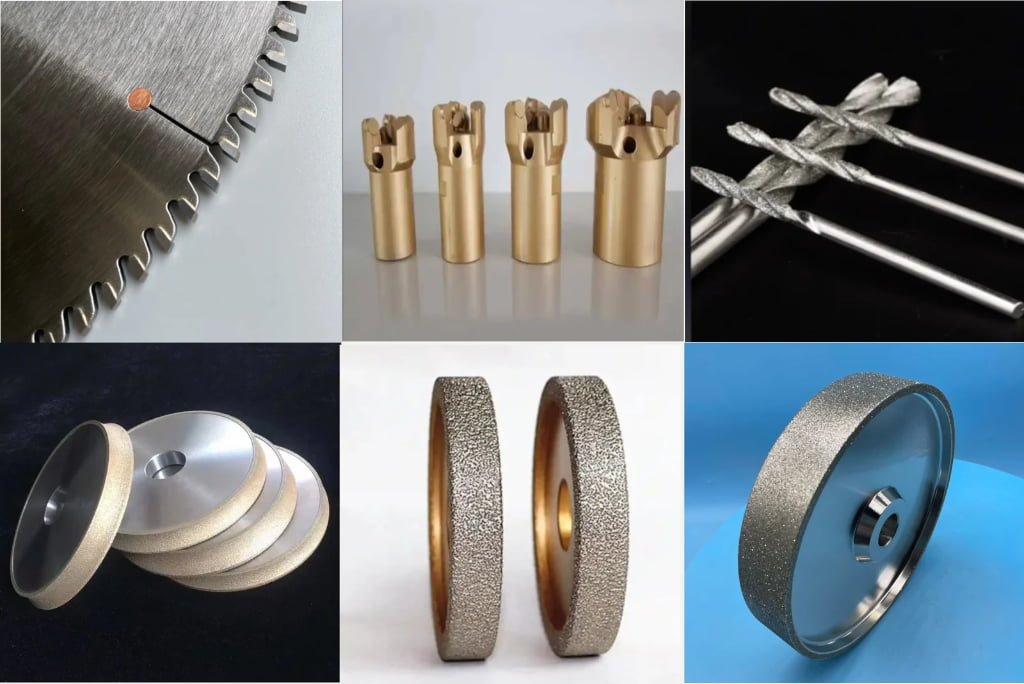
How to Choose Synthetic Diamond Powder for Cutting and Grinding
Match diamond grit strength, shape, friability and mesh size to saw blades, drill bits and grinding wheels.

Diamond Powder Particle Size Guide: Mesh, Micron and Nano
Understand mesh designations, micron ranges and how particle size affects cutting rate and surface finish.
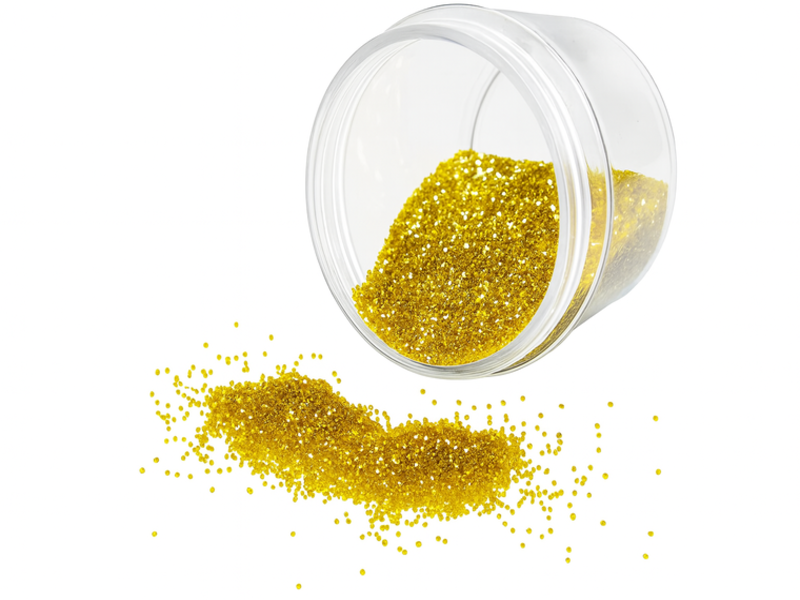
Synthetic Diamond Powder Properties and Grade Selection
Learn how crystal strength, shape, friability, TI and thermal stability affect diamond tool performance.
Frequently Asked Questions
Common questions about grit size, crystal shape, bond compatibility and diamond grit selection.