
Cubic Boron Nitride (CBN) Powder for Hardened Steel and Ferrous Alloy Grinding
Crownkyn supplies mesh, micron and coated cubic boron nitride powder for resin, vitrified, metal and electroplated grinding tools used on hardened steel, bearing steel, cast iron, tool steel and selected superalloys.
CBN grades are matched by particle size, crystal shape, strength, friability, thermal stability and bond compatibility to balance cutting efficiency, surface finish and tool life.
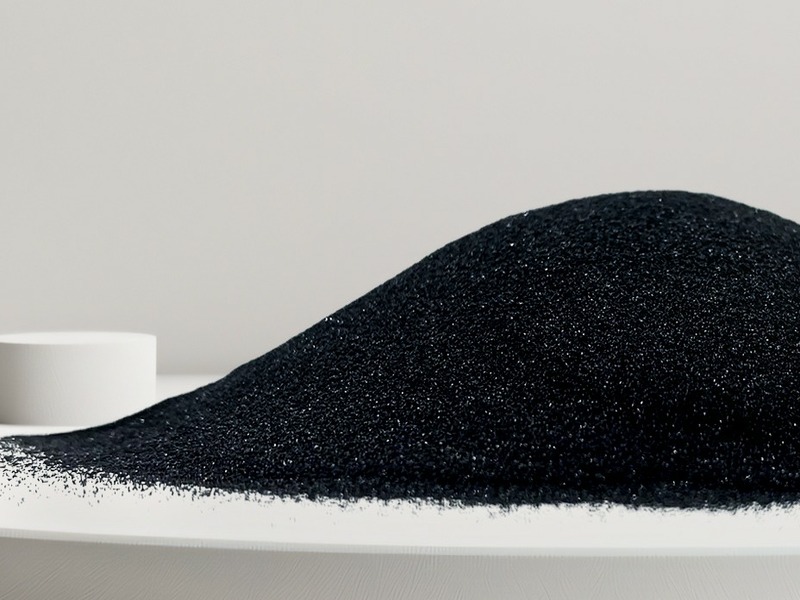
What Is Cubic Boron Nitride (CBN) Powder?
Cubic boron nitride powder is a synthetic superabrasive used mainly for grinding hardened steel, bearing steel, tool steel, cast iron and other difficult-to-grind ferrous materials.
CBN provides stable abrasive performance under demanding thermal and mechanical conditions and is generally preferred over diamond for hardened ferrous material grinding. Performance depends on the workpiece hardness, bond system, particle size, crystal shape, strength and fracture behavior.
Mesh, Micron and Coated CBN Powder Products
Choose CBN powder by particle size, bond system, crystal characteristics and grinding requirements.
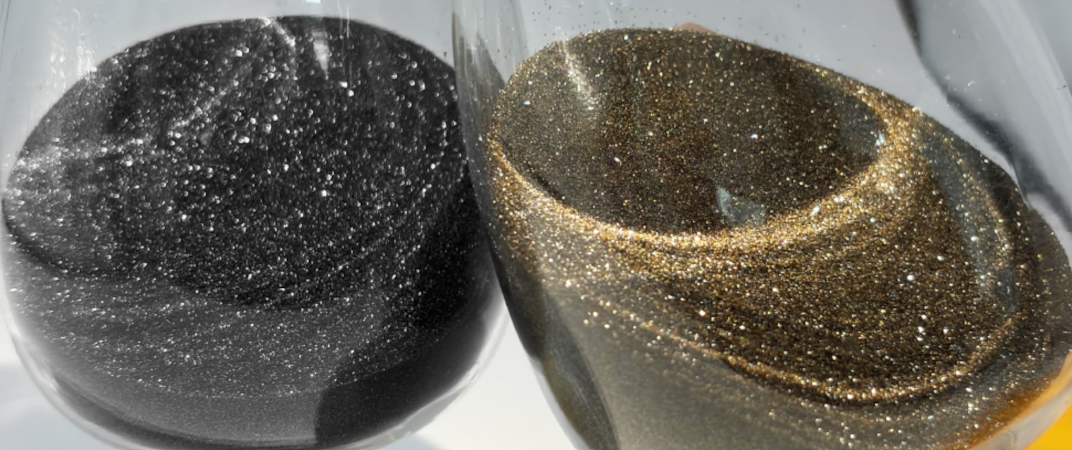
Mesh / Monocrystalline CBN Powder
Mesh-size single-crystal CBN grades for resin, vitrified, metal and electroplated grinding tools, selected by bond system, crystal strength and fracture behavior.
Polycrystalline CBN Powder
Blocky polycrystalline CBN abrasive designed for stable low-speed grinding, good self-sharpening and consistent cutting performance in metal bond and electroplated grinding tools.
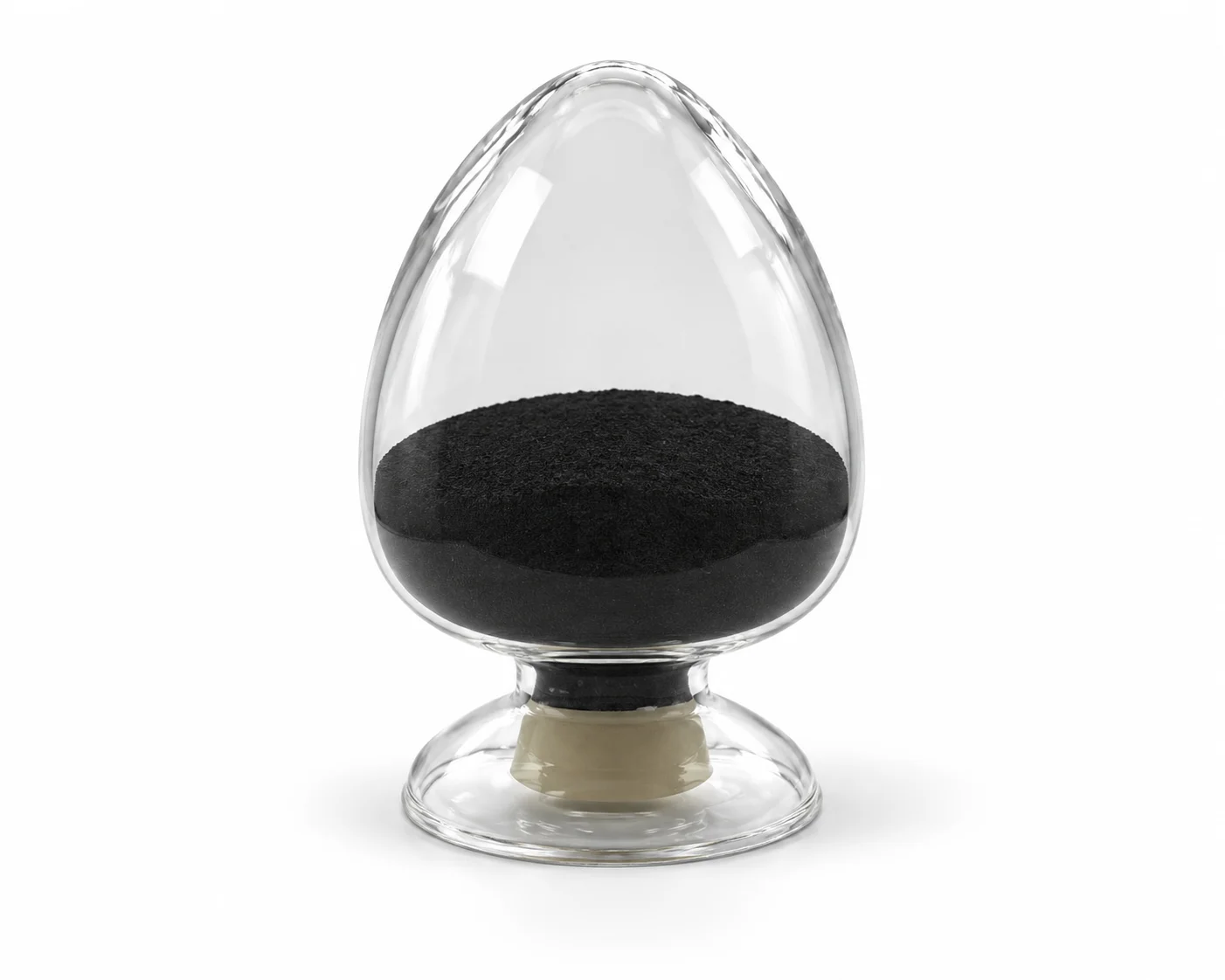
Micron CBN Powder
Controlled micron-size CBN powder for precision grinding, honing, fine finishing and application-specific PCBN or compact systems.
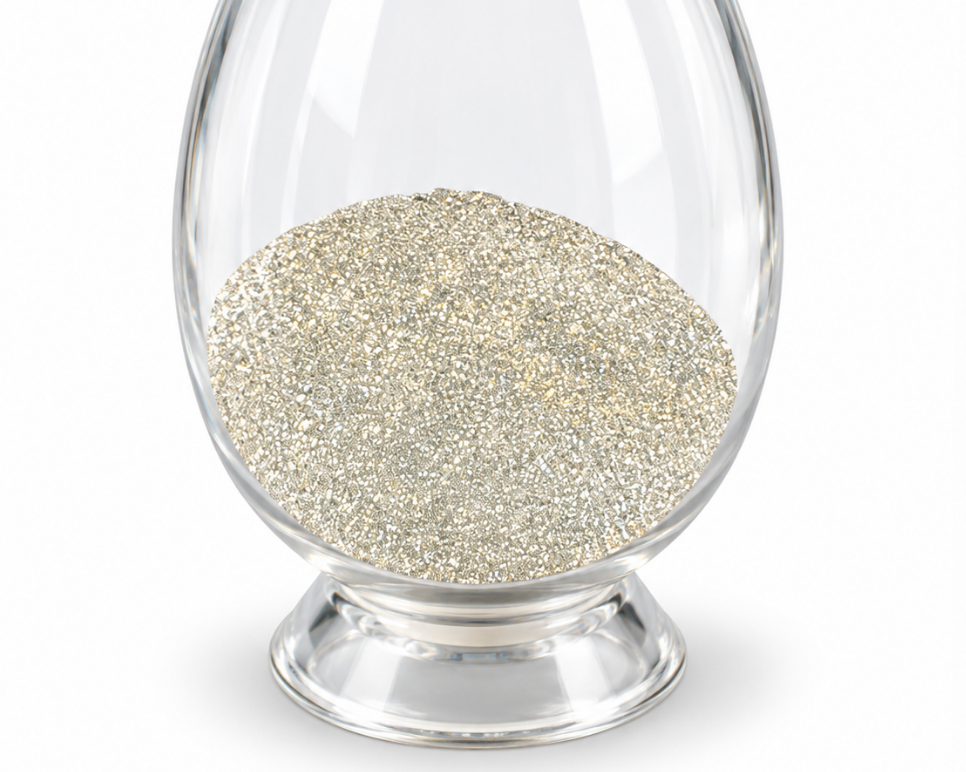
Coated CBN Powder
Nickel- and titanium-coated CBN grades for applications requiring improved grit retention, bond compatibility or controlled particle–bond interface performance.
What Is Cubic Boron Nitride (CBN) Powder?
Cubic boron nitride powder is a synthetic superabrasive used mainly for grinding hardened steel, bearing steel, tool steel, cast iron and other difficult-to-grind ferrous materials.
CBN provides stable abrasive performance under demanding thermal and mechanical conditions and is generally preferred over diamond for hardened ferrous material grinding. Performance depends on the workpiece hardness, bond system, particle size, crystal shape, strength and fracture behavior.
Choose CBN Powder by Bond System and Application
Match the CBN product form and particle size to the bond system, workpiece material, grinding load and surface requirements.
| Bond System / Application | Typical CBN Form | Main Selection Priorities | Process Considerations |
|---|---|---|---|
|
Resin Bond Grinding Wheels
Precision grinding and relatively cool-cutting tool systems
|
Mesh or Micron CBN
Coated grades may also be considered
|
Friability, self-sharpening behavior, particle retention and surface-finish requirements | Workpiece hardness, grinding load, bond formulation, coolant conditions and target finish |
|
Vitrified Bond Grinding Wheels
Rough, semi-finish and precision profile grinding
|
Mesh or Micron CBN
|
Controlled fracture behavior, thermal stability, dressing response and profile retention | Wheel porosity, bond firing conditions, dressing method, grinding speed and coolant supply |
|
Metal Bond Grinding Tools
Wear-resistant tools and demanding grinding conditions
|
Mesh or Micron CBN
Coated options depend on the bond system
|
Crystal strength, thermal stability, bond compatibility, wear resistance and tool life | Bond chemistry, processing temperature, particle retention, grinding pressure and dressing requirements |
|
Electroplated / Single-Layer Tools
Profile tools, form grinding and high grit exposure
|
Mesh CBN
Selected coated CBN may be discussed
|
Crystal integrity, particle shape, grit protrusion, impact resistance and coating retention | Plating thickness, grit exposure, tool profile, grinding load and required tool life |
|
Fine Grinding, Honing & Finishing
Precision finishing and controlled material removal
|
Micron CBN Powder
|
Particle-size distribution, oversize control, removal rate and surface integrity | Stock removal, target roughness, workpiece geometry, bond or carrier system and process consistency |
|
PCBN Compact Manufacturing
Polycrystalline cubic boron nitride material systems
|
High-Purity Micron CBN
|
Purity, particle size, crystal structure, thermal stability and batch consistency | Binder system, compact composition, sintering route and target PCBN properties |
CBN vs Diamond: CBN is generally selected for hardened ferrous materials. Diamond is typically considered for carbide, ceramics, glass, graphite and other hard brittle non-ferrous materials.
Not sure which CBN product form fits your application?
Share the workpiece material, hardness, bond system, particle size and grinding process for a suitable recommendation.
Key Factors for CBN Powder Selection
Evaluate the workpiece, particle size, crystal characteristics, tool system and grinding conditions together before selecting a CBN grade.
Workpiece Material & Hardness
Confirm the workpiece chemistry, hardness and heat-treatment condition. Different CBN grades may be required for hardened steel, bearing steel, tool steel, HSS and cast iron.
Particle Size & Distribution
Select mesh or micron CBN according to the required material-removal rate and surface finish, while also considering PSD consistency and oversize-particle control.
Crystal Shape, Strength & Friability
Choose between sharper or more blocky crystals by balancing toughness, fracture behavior and self-sharpening performance with the grinding load and required tool life.
Tool System & Grinding Conditions
Match the CBN surface and crystal characteristics to the bond system, wheel speed, grinding load, coolant conditions and dressing method used in the final tool.
CBN Powder Applications
CBN powder is used for grinding hardened ferrous materials, precision automotive and aerospace components, and the manufacture of bonded and electroplated superabrasive tools.
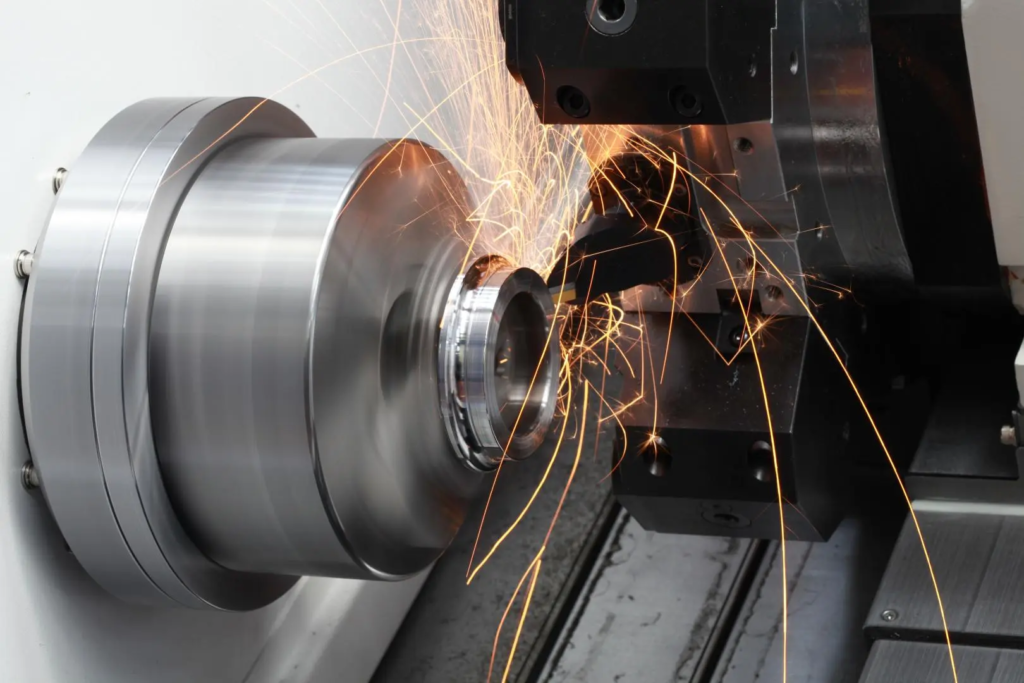
Hardened Steel & Bearing Grinding
CBN abrasives for hardened steel, bearing steel, tool steel, high-speed steel, cast iron and other heat-treated ferrous materials.
View Ferrous Metals
Gears, Shafts & Precision Components
CBN grades for grinding gears, shafts, bearings, transmission components and selected hardened or heat-resistant aerospace parts.
View Automotive & Aerospace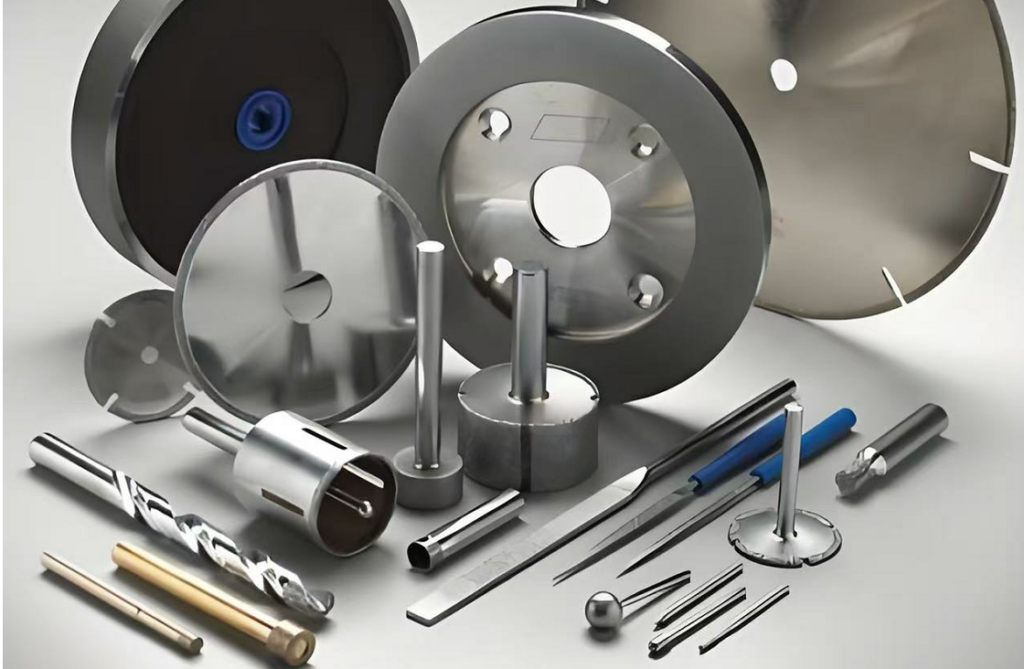
CBN Materials for Superabrasive Tool Manufacturing
Mesh, micron and coated CBN powder for resin, vitrified and metal-bond wheels, electroplated tools, honing stones and PCBN manufacturing.
View Superabrasive Tool ManufacturingRelated Diamond Abrasive Products
For carbide, ceramics, glass, graphite and other hard brittle materials, explore diamond abrasives in mesh, micron and coated forms.
Synthetic Diamond Grit
Mesh synthetic diamond for cutting, grinding and tool manufacturing applications involving carbide, ceramics, glass and hard brittle materials.
Explore Diamond GritMicron Diamond Powder
Micron diamond for precision grinding, lapping and polishing where particle-size distribution, removal rate and surface finish are critical.
Explore Micron DiamondCoated Diamond Powder
Metal- and ceramic-coated diamond grades for improved retention and interface compatibility in resin, metal and vitrified bond systems.
Explore Coated DiamondCBN Powder Selection Guides
Compare CBN with diamond, understand bond-system requirements and select the appropriate mesh or micron particle size for your grinding process.
CBN vs Diamond: Which Superabrasive Should You Choose?
Compare CBN and diamond by workpiece material, chemical compatibility, grinding temperature, tool system and surface requirements.
Read Selection GuideHow to Choose CBN Powder for Different Bond Systems
Select CBN for resin, vitrified, metal and electroplated tools by crystal strength, friability, thermal stability, particle retention and grinding load.
Read Bond Selection GuideCBN Grit Size Guide: Mesh, Micron and Particle Size Selection
Compare mesh and micron CBN sizes for stock removal, profile grinding, precision grinding, honing and fine-surface requirements.
Read Size Selection GuideFrequently Asked Questions
Common questions about CBN particle size, bond systems, coated grades and product selection.
What is the difference between mesh and micron CBN powder?
+
Mesh CBN consists of larger abrasive particles commonly used in bonded grinding wheels, electroplated tools and other material-removal applications. Micron CBN has a finer and more controlled particle-size distribution for precision grinding, honing, fine finishing and selected PCBN compact applications.
When should I choose CBN instead of diamond?
+
CBN is generally selected for hardened steels, bearing steels, tool steels, cast irons and other difficult-to-grind ferrous materials. Diamond is more commonly used for cemented carbide, ceramics, glass, graphite and other hard brittle non-ferrous materials.
How do I choose CBN for different bond systems?
+
Selection depends on the bond formulation, grinding load, particle size, crystal strength and required fracture behavior. Resin-bond tools often benefit from controlled friability and self-sharpening. Vitrified systems require a balance of fracture behavior, dressing response and profile retention, while metal and electroplated tools generally require stronger crystals and reliable particle retention.
When should I consider coated CBN powder?
+
Coated CBN may be considered when improved grit retention, bond compatibility or controlled particle-to-bond interaction is required. The coating type should be selected together with the base CBN grade, bond system, processing temperature and tool-manufacturing conditions.
What information is required for CBN grade selection?
+
Please provide the workpiece material and hardness, bond system, grit or particle-size range, grinding method, wheel speed, coolant conditions, stock removal, target surface finish and required quantity. These details help determine a suitable mesh, micron or coated CBN direction.
Need Help Selecting a CBN Grade?
Share your workpiece material, hardness, bond system, particle size, grinding process and target finish for a suitable recommendation.