Introduction
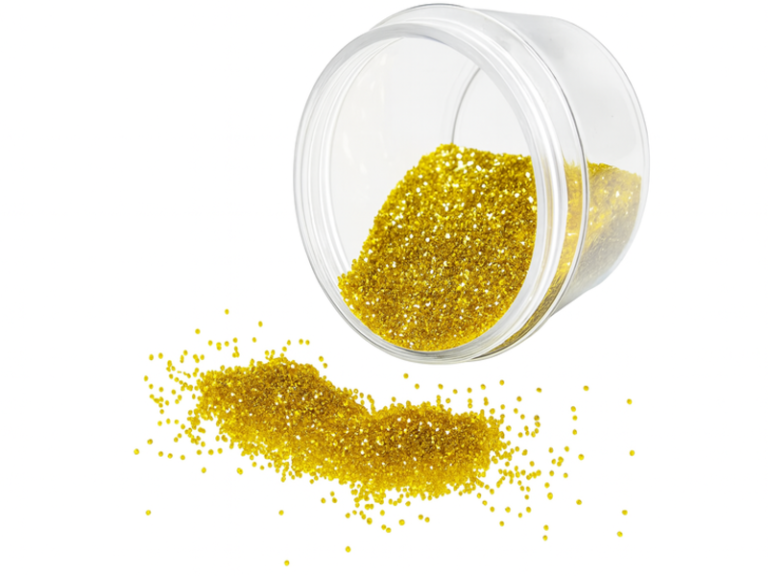
Cubic boron nitride (CBN) is one of the two major superabrasive materials used in industrial grinding, alongside diamond. Its combination of high hardness, thermal stability, and chemical stability has made it an important abrasive for applications where conventional abrasives cannot provide the required performance.
This guide examines the key CBN grit characteristics that influence grinding performance and provides a practical basis for selecting grades for different applications.
What Is CBN Grit?
Cubic boron nitride (CBN) is a synthetic superabrasive produced by converting hexagonal boron nitride (hBN) into a cubic crystal structure under high-pressure, high-temperature conditions[^1]. Its combination of high hardness, thermal stability, and chemical stability makes it suitable for demanding grinding applications.
Monocrystalline CBN grit consists of individual CBN crystals engineered with different strength, morphology, and wear characteristics. Different CBN grades are selected according to the bond system, grinding load, required cutting activity, and target abrasive life.
Why Is CBN Grit Used for Grinding Ferrous Materials?
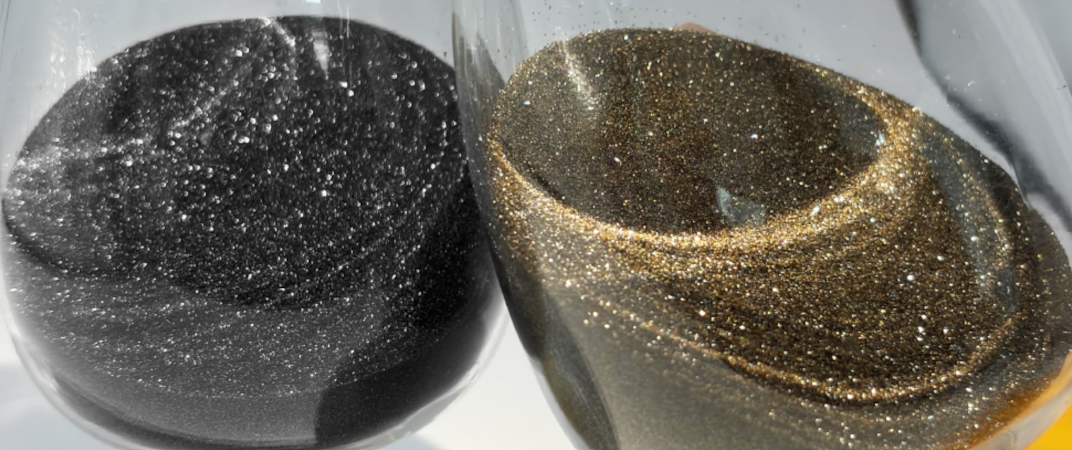
CBN grit is widely used for grinding hardened steels and other ferrous materials because it is much more chemically stable toward iron than diamond[^2]. At elevated grinding temperatures, diamond can wear rapidly through carbon–iron interaction[^3], while CBN remains more stable under comparable conditions.
This makes CBN grit for ferrous materials particularly suitable for hardened steel, tool steel, bearing steel, high-speed steel, and similar alloys used in gear grinding, bearing components, cutting tools, and other hardened parts. Diamond remains better suited to materials such as cemented carbide, ceramics, glass, and other non-ferrous hard materials, so abrasive selection should be based on workpiece chemistry and grinding conditions rather than hardness alone.
What Characteristics Matter Most for CBN Grit?
A CBN grade represents a specific combination of crystal strength, fracture behaviour, particle morphology, size characteristics, and thermal performance. These properties determine how the abrasive cuts, wears, and performs under different grinding conditions.
Crystal Strength
Crystal strength determines the grain's resistance to mechanical loading and breakdown during grinding.[^4] Higher-strength grades provide greater durability under demanding loads, while lower-strength grades break down more readily and offer greater self-sharpening. The appropriate strength depends on the bond system, grinding load, and required balance between cutting efficiency and grain life.
Particle Size
Particle size affects the balance between material removal and surface finish. Coarser mesh sizes generally support higher stock removal, while finer sizes provide more controlled cutting for finishing operations. Particle-size consistency also becomes increasingly important as surface-finish requirements increase.
Crystal Morphology
Crystal morphology influences cutting activity, grain durability, and abrasive retention. Sharper or more irregular crystals generally provide more active cutting, while more regular and blocky crystals tend to offer greater mechanical stability. The preferred morphology depends on the required balance between cutting efficiency and grain life.
Thermal Stability
Thermal stability describes the CBN grain's resistance to degradation under elevated grinding temperatures. It becomes increasingly important in high-load and high-speed grinding, where heat can accelerate abrasive wear. Actual thermal performance also depends on the bond system, coolant conditions, and grinding parameters.
How to Select CBN Grit by Bond System
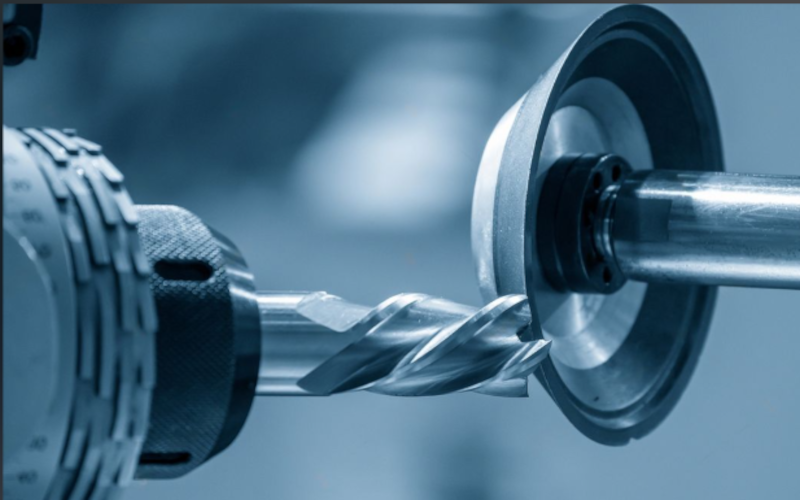
CBN grit selection should consider the workpiece material, grinding operation, bond system, grit size, and required balance between cutting efficiency and abrasive life. Different bond systems retain and expose CBN grains differently, so the preferred crystal strength and morphology also change with the tool design and grinding conditions.
Resin Bond CBN Grit
Resin bond grinding wheels generally require CBN with good cutting activity and controlled self-sharpening. The grain should be sufficiently durable to avoid premature breakdown, but not so tough that worn cutting points remain dull and increase grinding forces or heat.
More friable or sharper crystal structures are commonly considered where free cutting is important, while stronger grades may be selected when greater grain life is required. Crownkyn supplies resin bond CBN mesh powder in different strength and morphology options.
Vitrified Bond CBN Grit
Vitrified bond wheels are widely used for precision grinding because they can combine controlled abrasive retention with good dressability and an open wheel structure. CBN selection therefore requires a balance between grain durability, cutting activity, and controlled abrasive renewal.
Consistent crystal strength and morphology are especially important where profile accuracy, dimensional control, and repeatable surface finish are required. Vitrified bond CBN mesh powder can be selected according to grinding load and the required balance between self-sharpening and grain life.
Metal Bond CBN Grit
Metal bond tools provide strong abrasive retention and can keep CBN grains engaged for extended grinding periods. Medium- to high-strength CBN with good crystal integrity is therefore commonly used where wear resistance and abrasive life are important.
Because strongly retained grains can eventually wear or dull, the required grade should also provide suitable abrasive renewal for the specific matrix and grinding conditions. Metal bond CBN grit is available in different strength and morphology ranges for precision and heavier-load applications.
Electroplated CBN Grit
Electroplated tools contain a single active abrasive layer, making grain integrity, retention, and abrasive projection particularly important. The CBN grain must resist premature fracture while maintaining effective cutting edges throughout the usable life of the plated layer.
Crystal strength, morphology, grit size, plating thickness, and grain projection should therefore be considered together when selecting electroplated CBN grit. Higher-integrity grains are commonly preferred where profile retention, dimensional accuracy, and stable abrasive performance are critical.
What Other CBN Grit Types Should Be Considered?
Polycrystalline CBN Grit
Unlike monocrystalline CBN, polycrystalline CBN grit consists of multiple fine crystallites within each abrasive grain[^5]. Its structure allows progressive micro-fracture during grinding, continually exposing new cutting points as the grain wears.
This self-sharpening behaviour can help maintain cutting activity and limit excessive dulling in suitable grinding conditions. Selection still depends on grinding load, bond system, required surface finish, and the desired balance between cutting efficiency and abrasive life.
Coated CBN Grit
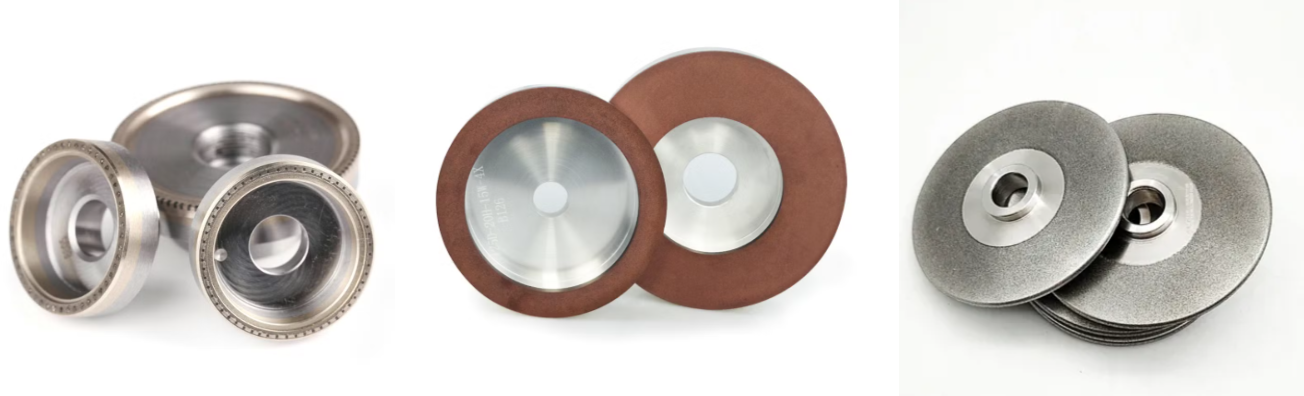
Coated CBN grit uses a surface layer to modify the interaction between the abrasive grain and the bonding matrix Depending on the coating system, it can improve grain retention, reduce premature pull-out, and influence heat transfer and abrasive behaviour during grinding.
The coating should be selected according to the bond system and tool-manufacturing process rather than treated as a universal upgrade. Metallic coatings are commonly used where stronger abrasive-to-bond interaction or improved grain retention is required[^6], while the coating material and thickness must remain compatible with the matrix and processing conditions.
Crownkyn supplies nickel-coated CBN grit and titanium-coated CBN grit for different tool systems. Selection should consider the bond material, required grain retention, manufacturing process, and grinding conditions.
Quick CBN Grit Selection Guide
CBN grit selection should be based on the bond system, grinding load, workpiece material, and required balance between cutting efficiency, grain retention, wheel life, and surface finish.
| Bond System | General CBN Direction | Coating Direction | Main Selection Focus |
|---|---|---|---|
| Resin bond | Controlled friability with good cutting activity | Coated or uncoated, depending on retention requirements | Self-sharpening, grinding force, grain life |
| Vitrified bond | Balanced strength and controlled abrasive renewal | Application-dependent | Precision, dressability, profile retention |
| Metal bond | Medium–high strength with suitable wear behaviour | Coating may improve matrix interaction and retention | Grain durability, retention, abrasive renewal |
| Electroplated / single-layer[^7] | High grain integrity and controlled morphology | Selected according to plating process and grain retention | Projection, profile accuracy, usable grain life |
Polycrystalline and coated CBN are additional structure or surface-treatment options rather than separate bond systems and should be selected according to the required cutting behaviour and bond compatibility.
These directions are practical starting points rather than fixed specifications. Final CBN grit selection should be matched to the workpiece material, bond system, grinding parameters, tool design, and required surface condition.
Common CBN Grit Selection Problems
Incorrect Crystal Strength
CBN grit that is too weak for the grinding load may break down prematurely, while excessively strong grit can lose cutting activity as the grains wear. Crystal strength should be matched to the bond system, grinding load, and required balance between cutting efficiency and grain life.
Poor Grain Retention
Premature grain pull-out can occur when the CBN grit, coating, and bond system are not well matched. This reduces abrasive utilization and can shorten tool life, particularly in applications requiring stable grain projection or profile retention.
Insufficient Cutting Ability
CBN grit with unsuitable particle size, morphology, or strength may provide insufficient cutting activity, leading to lower material removal, increased grinding forces, or higher grinding temperatures.
Mismatch with the Bond System
Resin, vitrified, metal, and electroplated tools retain and expose CBN grains differently. A grit specification that performs well in one bond system may not provide the same balance of self-sharpening, retention, and abrasive life in another.
Crownkyn CBN Grit Solutions
Crownkyn supports CBN grit selection based on the workpiece material, bond system, grinding conditions, current abrasive specification, and target performance.
To recommend a suitable starting grade, please provide:
- Workpiece material and grinding application
- Grinding tool type and bond system
- Current CBN grade and mesh size, if available
- Current issue, such as low cutting efficiency, premature grain loss, short wheel life, or poor surface finish
- Target performance, including cutting efficiency, grain retention, tool life, and surface quality
Based on these parameters, Crownkyn can recommend a suitable CBN strength level, mesh size, morphology, and coating option. For new tool development, grade replacement, or cross-reference evaluation, sample quantities can be supplied for comparative grinding tests before final grade confirmation. Contact Crownkyn with your current specification and grinding requirements for a CBN grit recommendation.
Frequently Asked Questions About CBN Grit
What CBN grit is used for hardened steel?
CBN grit for hardened steel is selected according to the grinding stage, bond system, grinding load, and required surface finish. Higher-strength grit is generally preferred for heavier loads and longer grain life, while more self-sharpening grades may be selected where lower grinding forces and active cutting are priorities.
How do I choose CBN grit size?
Coarser CBN grit is generally used for higher material removal, while finer grit is selected as dimensional accuracy and surface-finish requirements increase. Final grit size should be matched to the workpiece, grinding allowance, wheel design, bond system, and target finish.
Which CBN grit is suitable for resin, vitrified, or metal bond wheels?
Resin bond wheels generally require good cutting activity and controlled self-sharpening,vitrified bonds require a balance of grain durability and abrasive renewal, and metal bond tools usually favor stronger grit with good wear resistance. The final grade should still be matched to the grinding load and workpiece requirements.
When should coated CBN grit be used?
Coated CBN grit can be considered when improved grain retention or better interaction with the bonding matrix is required. The coating type should be selected according to the bond material, tool-manufacturing process, retention requirements, and grinding conditions rather than treated as a universal upgrade.
Conclusion
CBN grit selection should match the workpiece material, bond system, grinding load, and required balance between cutting efficiency and abrasive life. Crystal strength, particle size, morphology, thermal stability, and coating should be considered together rather than selected independently.
The final specification should be confirmed under the actual tool design and grinding conditions to achieve stable cutting performance, grain retention, tool life, and surface quality.
References
[1] Synthesis of High-Purity Boron Nitride Single Crystals under High Pressure and High Temperature
Supports the HPHT synthesis of cubic boron nitride from hexagonal boron nitride.
[2] Research on the Wear Suppression of Diamond Grain Enabled by Interfacial Regulation – PMC
Supports the greater chemical stability of CBN than diamond when grinding ferrous materials.
[3] Thermo-Chemical Wear Mechanism of Diamond Tool in Machining Ferrous Materials – ScienceDirect
Supports accelerated diamond wear caused by carbon–iron interaction at elevated temperatures.
[4] Probabilistic Aspects of Modeling and Analysis of Grinding Wheel Wear – PMC
Supports the influence of abrasive grain strength on fracture and breakdown under grinding loads.
[5] Study on Preparation and Grinding Performance of Vitrified Bond CBN – PMC
Supports the multi-crystallite structure of polycrystalline CBN abrasive grains.
[6] Review on Monolayer CBN Superabrasive Wheels for Grinding – ScienceDirect
Supports the use of metallic coatings to improve CBN grain retention and bond interaction.
[7] Improved Performance of Electroplated Grinding Wheels – ScienceDirect
Supports the single-layer structure and controlled grain projection of electroplated CBN tools.
Drafted by: Gareth Bayley
Technical Review & Editing: Ashley Wei