APPLICATIONS

Diamond Abrasives for Cemented Carbide Processing

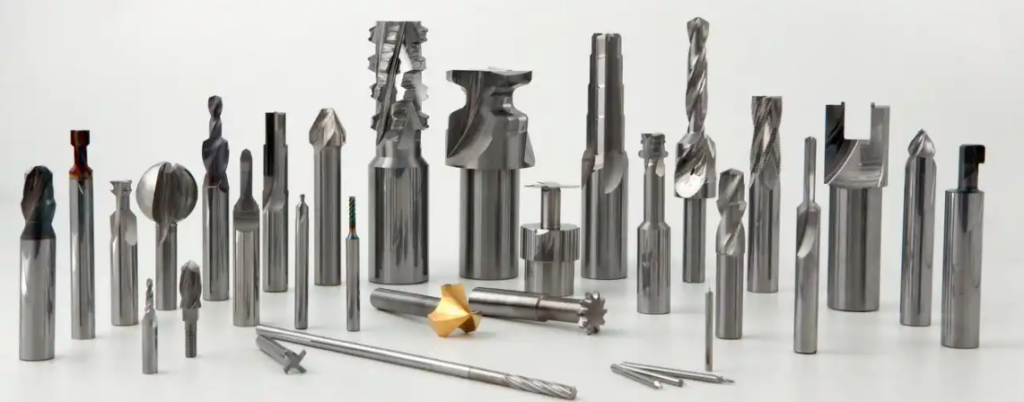
Diamond grit, micron powder and formulated abrasives for grinding, lapping, edge finishing and polishing cemented carbide tools, dies and wear-resistant components.

How Are Diamond Abrasives Selected for Cemented Carbide Processing?

Cemented carbide combines high hardness and wear resistance, making abrasive selection important throughout grinding, lapping and finishing. The appropriate diamond specification depends on the carbide grade, processing stage, material-removal requirement, dimensional control and target surface condition.

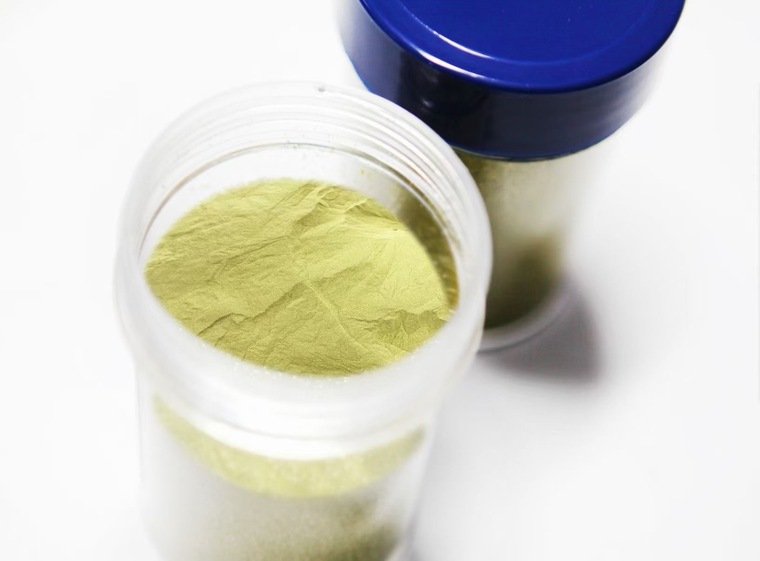
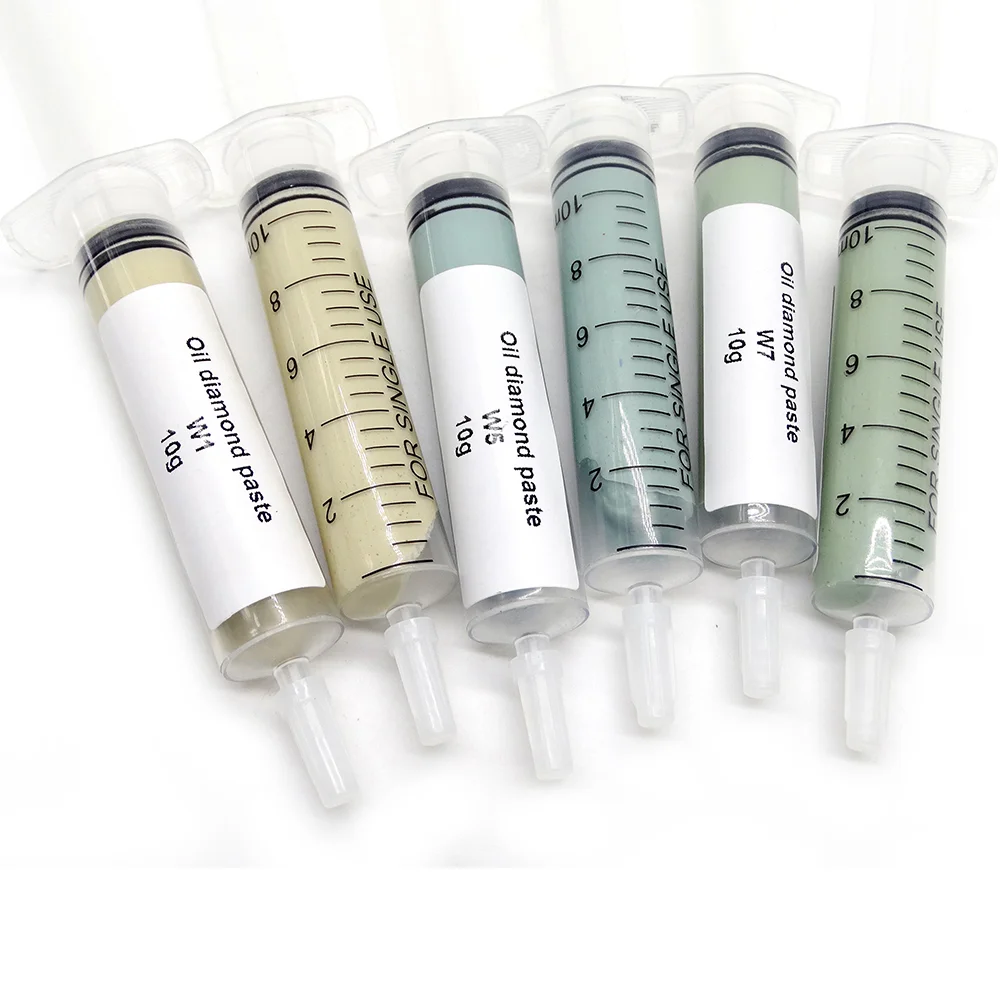
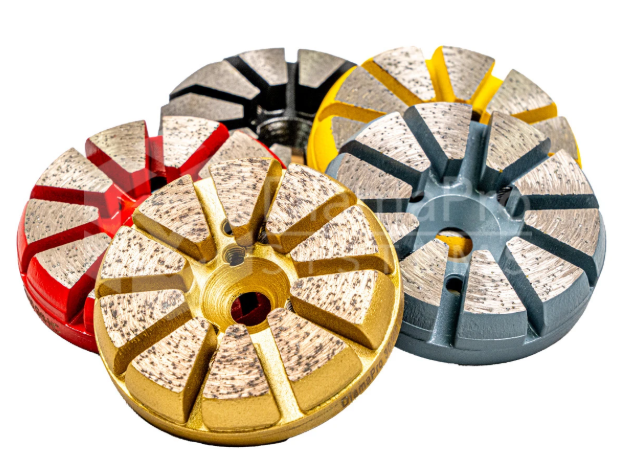
Crownkyn supplies diamond wheel grit, crushed diamond grit, micron diamond powder and formulated polishing products for cemented carbide processing. Particle size, crystal strength, morphology, fracture behavior and product form can be selected according to rough grinding, precision finishing, edge preparation and polishing requirements.

Industry Challenges

Key processing challenges that influence abrasive selection and application performance.

High Hardness & Wear Resistance

Cemented carbide is highly wear resistant, requiring diamond abrasives that maintain efficient and stable cutting action.

  • High grinding resistance
  • Abrasive wear and dulling
  • Stable material removal

Chipping & Edge Quality

Carbide edges can chip during grinding, especially on precision tools and components with sharp or complex geometries.

  • Edge chipping control
  • Grinding force management
  • Profile and geometry accuracy

Surface Finish & Consistency

Fine grinding and polishing require controlled diamond size and particle characteristics to achieve consistent surface quality.

  • Grinding mark reduction
  • Tight particle-size control
  • Consistent surface finish

Recommended Processing Stages

Diamond abrasive type, particle size and product form can be matched to different processing stages to balance removal efficiency, dimensional control and final surface quality.

Cutting and Rough Machining

Cutting and Rough Machining

Cutting and rough machining of cemented carbide require efficient stock removal while controlling edge damage. Diamond grit should be selected according to carbide grade, tool design, bond system and cutting conditions.

  • Rough cutting and slotting: Coarser diamond grit for efficient material removal where sufficient finishing allowance remains
  • Precision cutting: Finer, controlled diamond grit for improved edge quality and dimensional control
  • Tool performance: Strong monocrystalline or coated diamond can improve durability and grit retention under demanding cutting conditions
Grinding and Shaping

Grinding and Shaping

Grinding is a key process for cemented carbide components. Diamond grit size, strength and friability should be matched to the required removal rate, geometry and surface condition.

  • Rough grinding: Coarser or more friable diamond grades for efficient stock removal and self-sharpening
  • Fine grinding: Finer, tightly controlled diamond grit for improved dimensional accuracy and surface quality
  • Profile grinding: Selected monocrystalline diamond grades for stable geometry and profile control
Lapping and Polishing

Lapping and Polishing

Lapping and polishing use micron diamond abrasives to remove grinding marks, improve flatness and achieve the required surface finish on precision carbide components.

  • Pre-lapping: Typically 15–30 μm for surface correction and removal of preceding grinding marks
  • Fine lapping: Typically 6–14 μm for progressive surface refinement
  • Precision polishing: 1–3 μm or finer where low roughness and controlled surface quality are required
Ultra-Fine & Edge Finishing

Ultra-Fine & Edge Finishing

Ultra-fine and edge finishing are used for precision carbide tools and components where surface integrity, edge quality and dimensional consistency are critical.

  • Fine surface finishing: Submicron diamond abrasives for reducing residual polishing marks and improving surface quality
  • Cutting-edge finishing: Controlled fine diamond abrasives for refining carbide tool edges while limiting excessive edge rounding
  • Surface quality control: Tight PSD and oversize control help reduce isolated scratches and improve finishing consistency

Diamond Abrasive Selection for Cemented Carbides

Select diamond abrasive type, particle size and product form according to the carbide grade, processing stage and required surface quality.

Selection Factor
Selection Guidance
Selection Factor Carbide Grade
Selection Guidance

Consider carbide hardness, binder content and required material removal when selecting the diamond grade.

Selection Factor Processing Stage
Selection Guidance

Match diamond size and characteristics to cutting, grinding, lapping or final finishing.

Selection Factor Diamond Type
Selection Guidance

Choose monocrystalline, crushed or coated diamond according to cutting load, bond system and required grit retention.

Selection Factor Particle Size & PSD
Selection Guidance

Use coarser grit for stock removal and finer, tightly controlled grades as surface requirements increase.

Selection Factor Product Form
Selection Guidance

Choose diamond grit or powder for bonded tools, and micron powder, slurry or paste for lapping and polishing.

Frequently Asked Questions

Common questions about selecting diamond abrasives for cemented carbide grinding, finishing and polishing.

Why is diamond used for grinding cemented carbide?

Diamond is widely used for cemented carbide because its high hardness and wear resistance provide effective cutting action against the hard carbide phase. The suitable diamond grade should still be matched to the carbide grade, grinding load, tool design and required surface condition.

What diamond abrasive is suitable for different carbide processing stages?

Diamond grit is generally used for rough and precision grinding, while micron diamond powder is selected as the process moves toward fine grinding, lapping, edge finishing and polishing. The final abrasive type and size depend on material removal, dimensional accuracy and surface-finish requirements.

How do diamond strength and morphology affect carbide grinding?

Crystal strength influences grain durability and fracture behavior, while morphology affects cutting action, grinding force and grain retention. Tougher, more stable grains and more friable or angular abrasives provide different balances between tool life, cutting efficiency and self-sharpening.

When should micron diamond powder or diamond slurry be used?

Micron diamond powder is commonly used when finer material removal and greater surface control are required. Diamond slurry or paste can be selected when a formulated abrasive delivery system is preferred for lapping, edge finishing or polishing.

What information is needed to recommend a diamond abrasive for cemented carbide?

Provide the carbide grade or workpiece type, processing stage, current abrasive specification, grinding wheel or polishing system, required particle size and target performance such as removal rate, edge quality, surface finish or tool life.

Need Help Selecting the Right Diamond Abrasive?

Share your application, processed material, current abrasive specification and target performance. Our team can recommend a suitable diamond product for evaluation.

Chat with us on WhatsApp