Stone & Concrete Processing
APPLICATIONS

Stone & Concrete Processing

Diamond Abrasives for Stone & Concrete Cutting, Drilling and Grinding

Stone and concrete processing requires abrasive materials that can maintain cutting efficiency under high mechanical loads, impact and continuous wear. Diamond abrasives are widely used for sawing, drilling, grinding and profiling because of their high hardness, wear resistance and ability to process hard mineral-based materials efficiently.

The suitable diamond grade, particle size, strength and crystal shape depend on the material being processed, tool design, bond system and cutting conditions. Granite, marble, engineered stone, concrete and reinforced construction materials can require different balances of toughness, fracture behavior and grit retention.

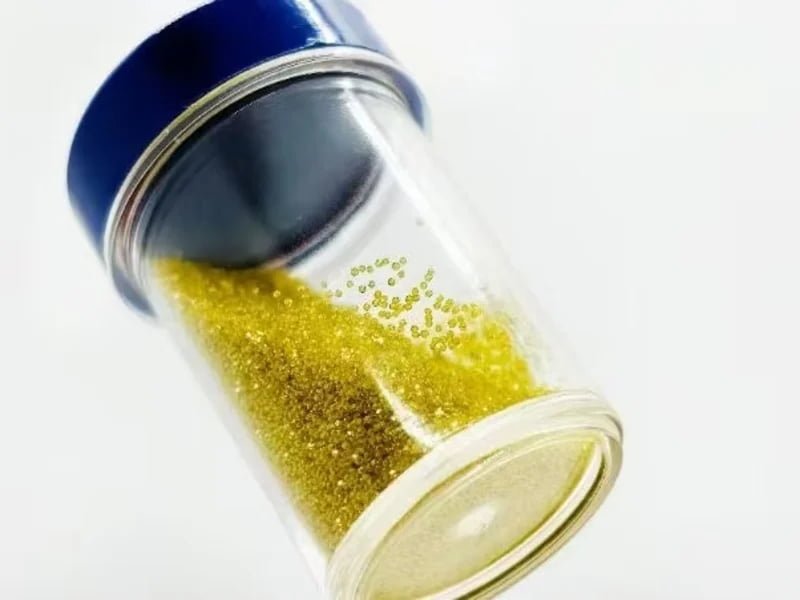
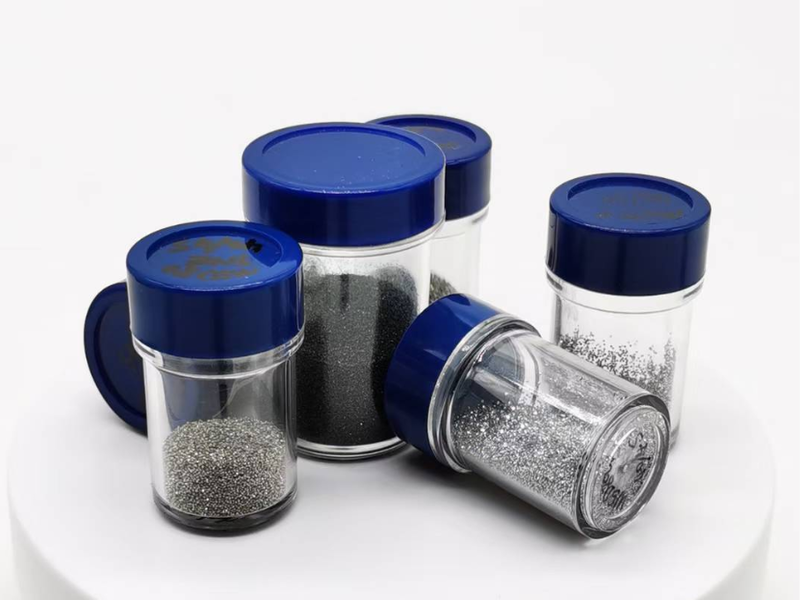
Crownkyn supplies synthetic diamond grit, saw grit, wheel grit and coated diamond materials for stone and concrete processing tools, including segments, saw blades, core drills, grinding wheels and other bonded or brazed diamond tools.

Industry Challenges

Key processing challenges that influence abrasive selection and application performance.

High Cutting Loads & Abrasive Wear

Stone, concrete and other mineral-based materials can impose high mechanical loads and continuous abrasive wear on diamond tools, requiring suitable grain strength and wear resistance.

  • Maintain cutting efficiency under high loads
  • Control abrasive wear and grain breakdown
  • Match diamond strength to tool conditions

Material Variability & Tool Matching

Granite, marble, engineered stone and concrete differ in hardness, abrasiveness, structure and reinforcement, so diamond grade and tool design must be matched to the material and application.

  • Adapt to different stone and concrete types
  • Match grit size and crystal shape to the application
  • Balance cutting speed and tool life

Grit Retention & Process Stability

Stable diamond retention in metal, resin, electroplated or brazed tool systems is essential for maintaining consistent cutting, drilling and grinding performance throughout tool use.

  • Improve grain retention in the bond system
  • Maintain stable cutting and grinding behavior
  • Reduce premature grit loss

Recommended Processing Stages

Diamond abrasive type, particle size and product form can be matched to different processing stages to balance removal efficiency, dimensional control and final surface quality.

Cutting & Sawing

Cutting & Sawing

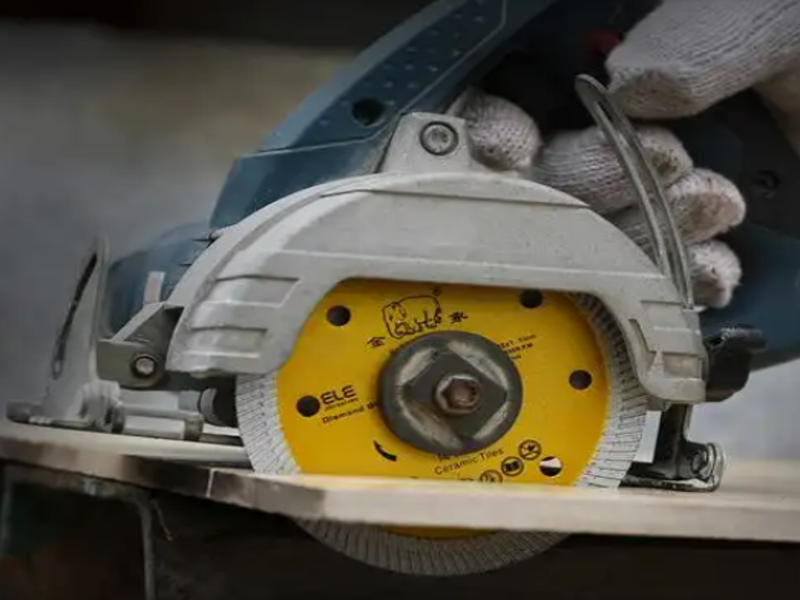
Stone and concrete cutting requires diamond grits that can maintain effective cutting action under high mechanical loads, abrasive wear and repeated impact. Diamond strength, crystal shape and grit size should be matched to the material, saw design and cutting conditions.

  • Block and slab sawing: Coarser, high-strength diamond grit is commonly selected for efficient cutting and stable performance in demanding stone-processing operations.
  • General cutting: Diamond grade and grit size should be balanced according to material hardness, abrasiveness, cutting speed and required tool life.
  • Bonded and segmented tools: Coated or surface-treated diamond can be considered where improved bond compatibility or grit retention is required.

Typical applications: Granite, marble, engineered stone, concrete slabs and sintered stone panels.
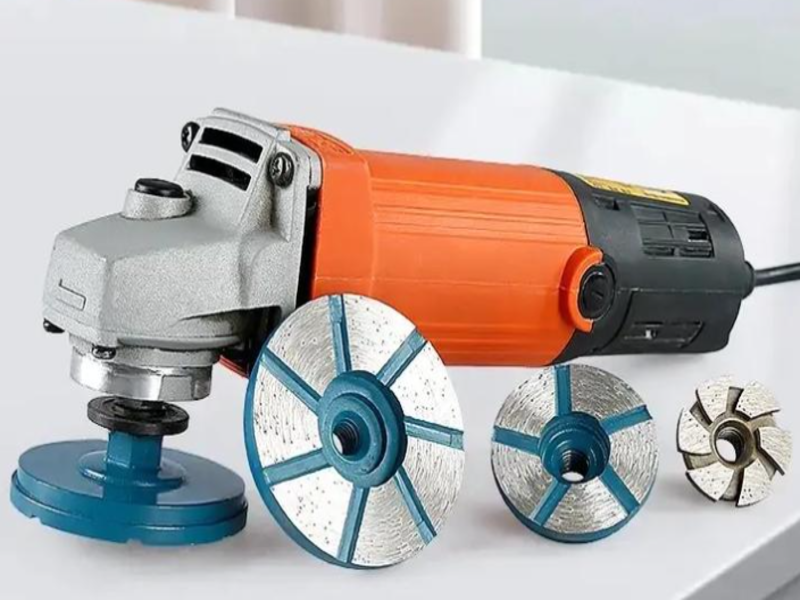
Grinding, Calibrating & Profiling

Grinding, Calibrating & Profiling

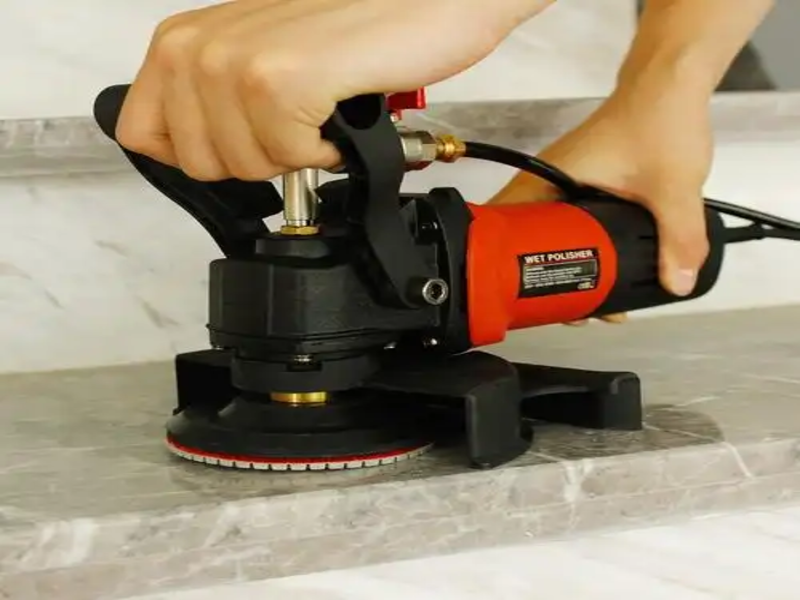
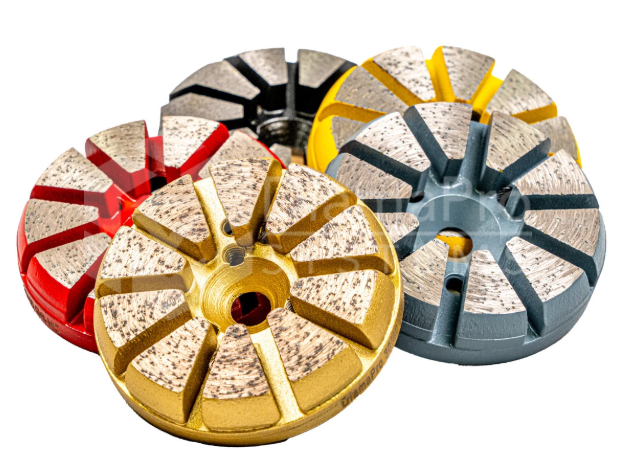
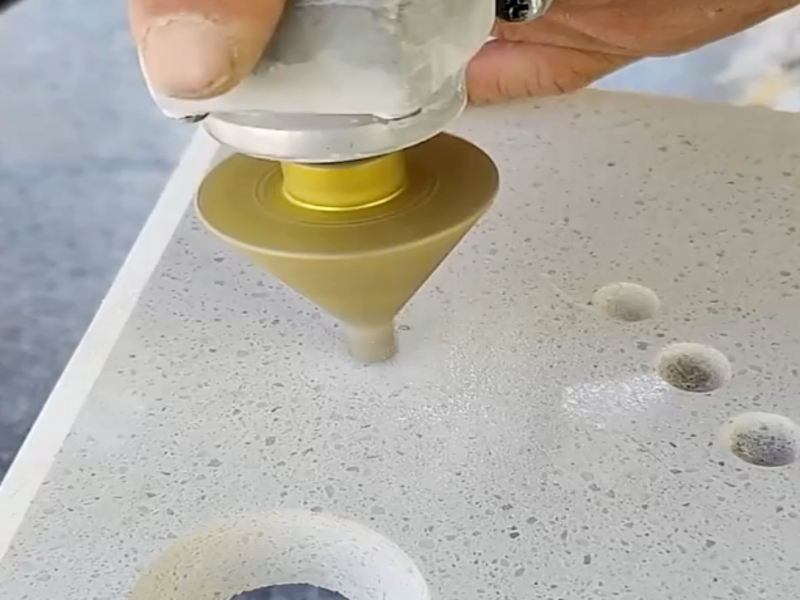
Grinding, calibrating and profiling establish thickness, flatness and edge geometry after cutting. Diamond grit selection should provide sufficient cutting ability while maintaining stable wear and dimensional control.

  • Rough grinding and calibrating: Coarser or more friable diamond grits can provide efficient stock removal and surface leveling.
  • Intermediate grinding: Controlled diamond grit supports progressive surface refinement and improved dimensional accuracy.
  • Profiling and edge shaping: Suitable grain strength and wheel design help maintain consistent contours and edge geometry.

Typical applications: Stone tiles, countertops, steps, architectural stone, concrete surfaces and engineered stone components.

Surface Refinement & Polishing

Surface Refinement & Polishing

Surface refinement and polishing progressively remove grinding marks and develop the required smoothness, gloss or visual appearance. Finer diamond abrasives are used in bonded polishing tools and selected finishing systems according to the material and target surface quality.

  • Pre-polishing: Finer diamond abrasives remove residual grinding marks and prepare the surface for subsequent polishing stages.
  • Polishing: Controlled abrasive size and tool formulation help improve smoothness and surface consistency.
  • Material matching: Granite, marble, engineered stone and concrete may require different polishing sequences and tool characteristics.

Typical applications: Polished granite, marble, engineered stone, terrazzo and decorative concrete surfaces.

Edge Finishing & Specialty Surface Processing

Edge Finishing & Specialty Surface Processing

Edge Finishing & Specialty Surface Processing

  • Edge finishing: Diamond tools are used to refine edges, bevels and shaped profiles after cutting and grinding.
  • Decorative profiling: Controlled diamond grit supports consistent processing of curved, chamfered and molded stone features.
  • Specialty finishing: Abrasive grade and tool design can be adjusted for textured, honed or other specified surface finishes.

Typical applications: Countertop edges, architectural profiles, decorative stone components, concrete edges and specialty surface finishes.

How to Select Diamond Abrasives for Stone & Concrete Processing

Select diamond abrasives according to material type, processing method, grain strength, particle characteristics and bond system. These factors affect cutting efficiency, grit retention, tool wear and process stability.

Selection Factor
Selection Guidance
Selection Factor Material Type & Abrasiveness
Selection Guidance

Match diamond grade to the hardness, abrasiveness and structure of granite, marble, engineered stone, concrete or reinforced materials.

Selection Factor Processing Method
Selection Guidance

Select according to sawing, drilling, grinding, calibrating or profiling requirements and the required balance of removal rate and surface control

Selection Factor Diamond Strength & Fracture Behavior
Selection Guidance

Use tougher grains for higher loads and more friable grades where controlled fracture and self-sharpening are required.

Selection Factor Particle Size & Morphology
Selection Guidance

Coarser and stronger grits support heavier material removal, while finer or more controlled particles support grinding and surface refinement.

Selection Factor Bond & Tool System
Selection Guidance

Match diamond to metal, resin, electroplated or brazed tools, considering bond retention and whether coated or surface-treated grit is needed.

<

Frequently Asked Questions

Common questions about selecting diamond abrasives for stone and concrete cutting, grinding, profiling and polishing.

What type of diamond abrasive is suitable for stone and concrete processing?

The suitable diamond type depends on the material, processing stage and tool system. High-strength saw grit is commonly used for cutting and drilling, wheel grit and crushed diamond for grinding and profiling, and micron diamond powder for selected polishing and surface-finishing applications.

What diamond grit size should be used for stone cutting and grinding?

Coarser diamond grit is generally used for heavy cutting and stock removal, while finer grit is selected as dimensional control and surface-finish requirements increase. The final grit size should also be matched to the stone type, tool design and bond system.

How does diamond strength affect cutting and grinding performance?

Tougher diamond grains provide better resistance to impact and premature fracture under high cutting loads, while more friable grades can fracture progressively to expose fresh cutting edges. The appropriate balance depends on the material and tool application.

When should coated diamond be used in stone-processing tools?

Coated diamond can be considered where improved grit retention, bond compatibility or interface stability is required. The appropriate coating depends on the bond system, tool-manufacturing process and operating conditions.

Is micron diamond powder used for stone polishing?

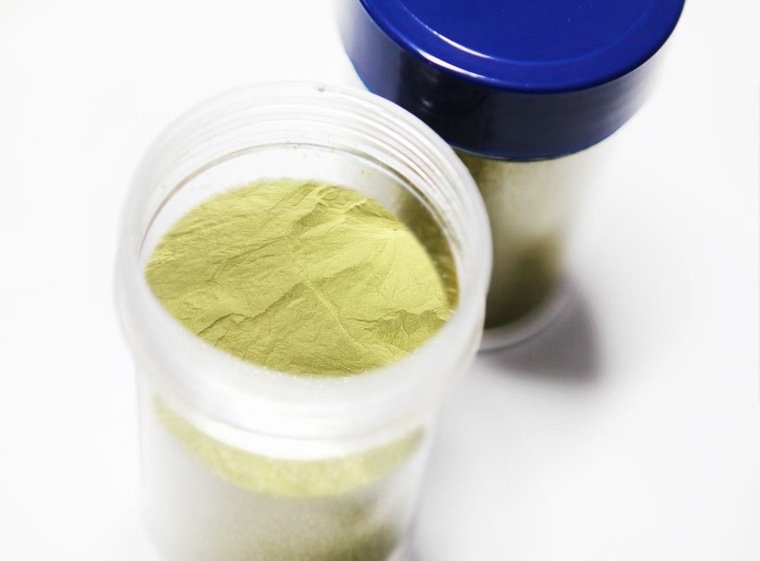
Yes. Micron diamond powder is used in selected stone lapping, polishing and surface-refinement applications, particularly where controlled cutting action and progressive surface improvement are required. The suitable particle size depends on the starting surface and target finish.

Need Help Selecting the Right Diamond Abrasive?

Share your application, processed material, current abrasive specification and target performance. Our team can recommend a suitable diamond product for evaluation.

Chat with us on WhatsApp