
Nano Diamond Powder for Precision Polishing and Functional Materials
Crownkyn supplies HPHT and detonation nanodiamond for precision polishing, lubricants, coatings and advanced composite formulations. Grades are available with controlled particle or aggregate size, dispersion options and application-specific surface modification.
HND provides controlled nano and sub-micron particle sizes witconsistent abrasive behavior and wear resistance. DND consists of approximately 5 nm primary crystallites and can be supplied in different aggregate or dispersed sizes to match specific processing requirements.
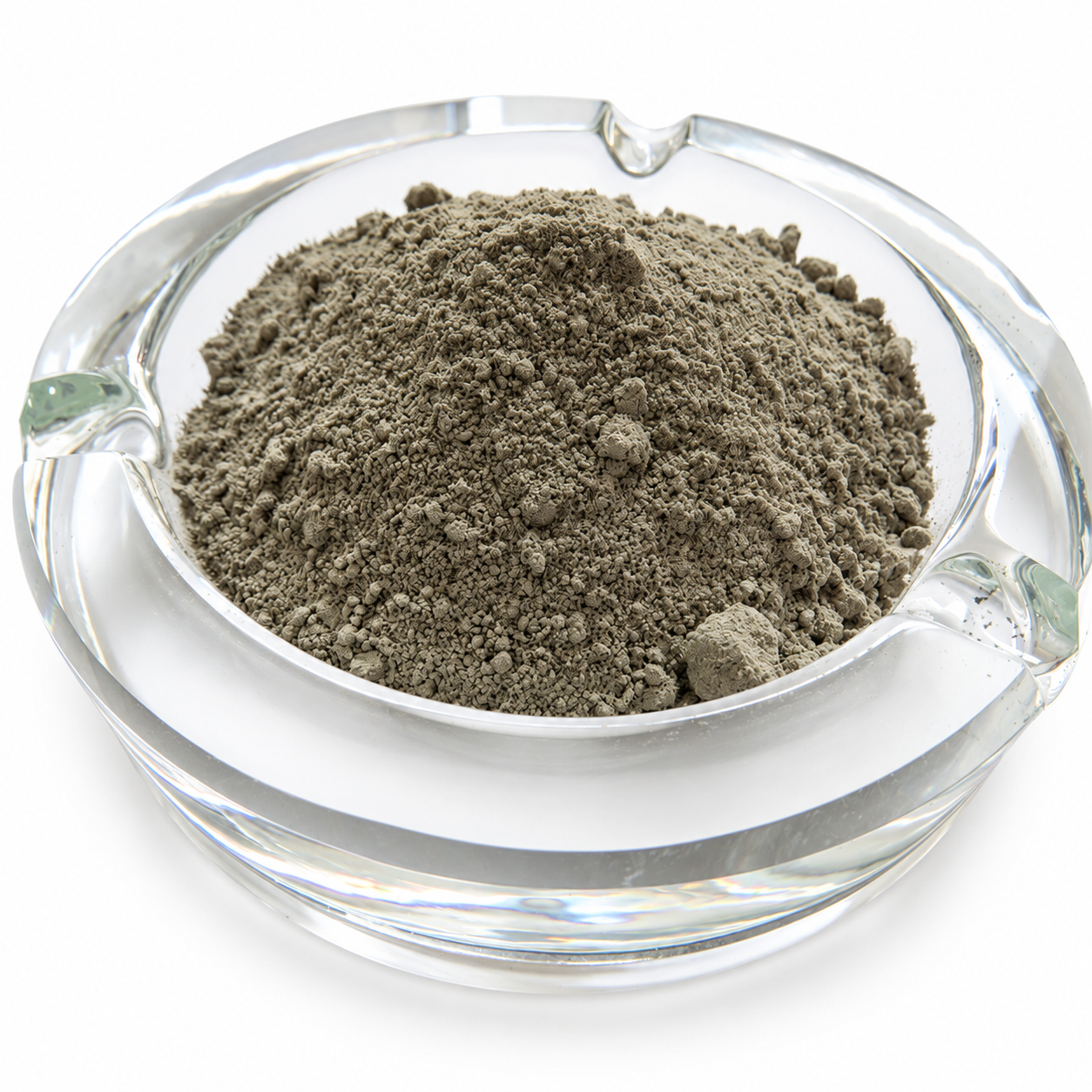
What Is Nano Diamond Powder?
At the nanoscale, diamond has a much higher specific surface area, making surface chemistry and dispersion more important than in conventional micron powders. Nanodiamond can function as both a fine abrasive and a functional additive in lubricants, coatings and composite formulations.
Performance depends on particle or aggregate size, dispersion stability, purity and surface condition. These parameters should be considered together when selecting HND or DND grades.
Nano Diamond Powder Product Types
Choose between HPHT and detonation nanodiamond based on particle structure, dispersion requirements and surface characteristics.
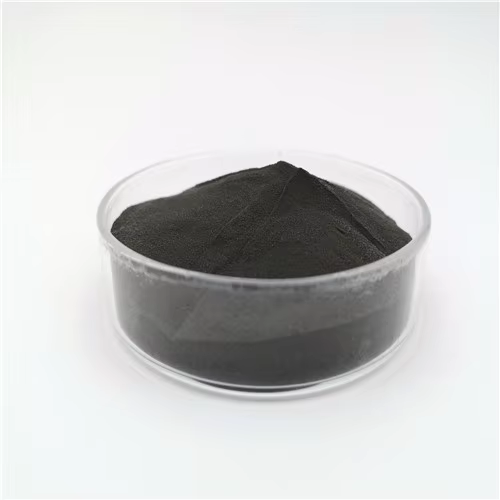
HPHT synthetic diamond powder processed through controlled crushing, refinement and classification to provide stable nano and sub-micron grades for precision polishing and advanced material applications.
DND – Detonation Nanodiamond
DND consists of approximately 5 nm primary crystallites with high specific surface area. Aggregate size, dispersion form and surface chemistry can be adjusted for different formulation requirements.
Nano Diamond Size, Dispersion & Surface Options
Particle size, product form and surface condition can be matched to different formulations and processing requirements.
Particle Size Control
Select HND or DND according to the required particle-size range.
Powder & Dispersion Options
Available as dry powder or customized liquid dispersion.
Surface Modification
Surface treatment can improve dispersion and matrix compatibility.
Nano Diamond Grade Selection
Compare HND and DND by particle structure, size form and formulation requirements to select a suitable nano diamond grade.
| Selection Factor | HND – HPHT Nanodiamond | DND – Detonation Nanodiamond |
|---|---|---|
| Particle Structure | Crystalline nano and sub-micron particles processed from HPHT synthetic diamond | Approx. 5 nm primary crystallites forming aggregate structures |
| Typical Size Form | Controlled nano and sub-micron particle-size grades | Approx. 5 nm crystallites with controlled aggregate sizes |
| Performance Focus | Stable abrasive, wear and particle-size performance | High surface area, dispersion control and surface functionality |
| Key Selection Focus | Particle size distribution, purity and batch consistency | Agglomeration, dispersion, surface chemistry and purity |
Nano Diamond Powder Applications
Nanodiamond supports ultra-fine polishing, precision surface finishing and functional composite formulations.

Semiconductor
Controlled nanodiamond for ultra-fine polishing and surface finishing of SiC, sapphire and other hard semiconductor materials.

Optics, Glass & Sapphire
Nano diamond for final polishing of optical glass, sapphire and hard transparent materials requiring low surface roughness.
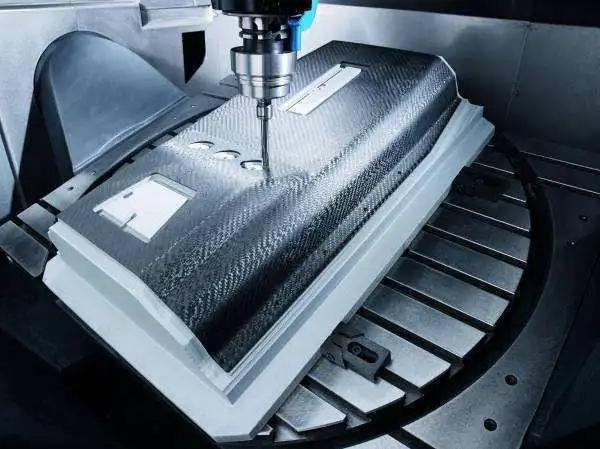
Diamond Composites
Functional nanodiamond fillers for polymers, resins, coatings and composites requiring controlled dispersion and interface compatibility.
Explore Related Diamond Products
Explore complementary diamond products for larger particle sizes, formulated polishing systems and thermally conductive composites.
Micron Diamond Powder
Monocrystalline, polycrystalline and specialty micron powders for grinding, lapping and precision polishing.
View ProductsDiamond Slurry & Paste
Ready-to-use and customized diamond formulations with controlled concentration, carrier and dispersion performance.
View ProductsThermal Conductive Diamond
Larger diamond particles for thermal interface materials and composites requiring an effective heat-conduction network.
View ProductsRelated Guides
Practical guidance on nanodiamond selection, particle size and polishing applications.
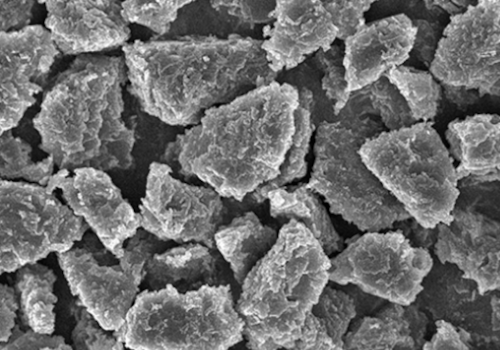
Nano Diamond Powder: Properties, Applications and Selection Guide
Understand HND and DND characteristics, product forms and the main factors affecting grade selection.

Diamond Powder Particle Size Guide: Mesh, Micron and Nano
Compare mesh, micron and nano size ranges and understand how particle-size definitions affect product selection.
How to Choose Diamond Powder for Polishing and Lapping
Select diamond type, particle size and product form for different polishing and lapping stages.
Frequently Asked Questions
Common questions about HND and DND selection, particle size, dispersion and surface options.
What is the difference between HND and DND?
What does the 5 nm size of DND refer to?
Should I choose nano diamond powder or a dispersion?
Can the nanodiamond surface be modified?
What information is needed for grade selection?
Need Help Selecting a Nano Diamond Grade?
Tell us your application, required particle-size definition, carrier or matrix system, target concentration and surface requirements for a suitable HND or DND recommendation.