
Crushed & Sharp Diamond Grit for High-Efficiency Grinding Tools
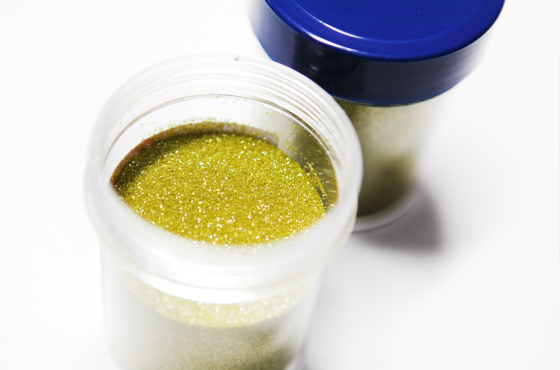
Crushed and sharp diamond grit is a mesh-size diamond abrasive produced from selected HPHT monocrystalline diamond feedstock through mechanical crushing, cleaning, shaping and classification. Crownkyn supplies crushed diamond powder fractions from 60/70 to 400/500 mesh.
The irregular, angular and multi-edged particles provide sharp cutting action, efficient stock removal and low grinding resistance in resin-bond, metal-bond and electroplated grinding tools.
Crushed & Sharp Diamond Grit Grades
Select the grade according to the bond system, grinding load, required cutting efficiency and surface-quality target.
Main Crushed Diamond Grades

GRVD
Economical RVD-type crushed diamond grit for sharp cutting under light and stable grinding loads.
View GRVD Details
GCD10
Controlled crushed diamond morphology for sharp and stable performance in resin-bond grinding tools.
View GCD10 Details
GCD20
Metal-bond-oriented crushed diamond grit for stable grain retention and durable grinding performance.
View GCD20 Details
GCD30
Controlled particle shape and integrity for consistent grit exposure in electroplated tools.
View GCD30 DetailsSpecialty Crushed Diamond

GCDZ – Reshaped Crushed Diamond Grit
GCDZ is reshaped from crushed monocrystalline diamond to provide more controlled morphology, stable cutting behavior and improved surface control in precision grinding applications.
Not sure which crushed diamond grade fits your tool system?
Tell us your bond system, workpiece material, mesh size and grinding requirements for a suitable grade recommendation.
Crushed Diamond Grit vs Wheel Grit Diamond
Understanding the difference helps you select the right product for your bond system and grinding requirement.
| Comparison | Crushed & Sharp Diamond Grit | Wheel Grit Diamond |
|---|---|---|
| Manufacturing Route | Larger crystals are mechanically crushed | Directly synthesized and mesh-classified |
| Crystal Form | Fractured monocrystalline particles | More complete monocrystalline crystals |
| Morphology | Irregular, angular and multi-edged | Semi-blocky to well-formed |
| Grinding Behavior | Sharp cutting and efficient stock removal | Controlled balance of stability and wheel life |
| Common Selection | Free-cutting and lower grinding force | Form retention and stable tool life |
The same mesh size can perform differently because particle morphology, strength and fracture behavior are different.
Crushed Diamond Grit Selection Guide
Match the grade to the bond system, grinding load and required balance of cutting efficiency and tool life.
| Tool / Grinding Requirement | Recommended Grade | Grade Direction | Selection Focus |
|---|---|---|---|
| Economy and light-load grinding | GRVD | Economy / RVD-type grade | Cutting efficiency and cost control |
| Resin-bond grinding tools | GCD10 | Sharp cutting with controlled fracture | Cutting efficiency and grinding stability |
| Metal-bond grinding tools | GCD20 | Stronger crushed grade | Grain stability, durability and tool life |
| Electroplated grinding tools | GCD30 | Controlled shape and integrity | Grit exposure and retention |
| Precision or finish-sensitive grinding | GCDZ | Reshaped, controlled morphology | Stable grinding and surface quality |
Quality Control for Crushed Mesh Diamond
Key controls for consistent particle size, morphology and grade performance.
Mesh Size & Oversize Control
Control of mesh fractions, oversize and undersize particles
Particle Morphology
Inspection of particle shape, angularity and consistency
Strength & Fracture Consistency
Grade-level control of strength and fracture behavior
Impurity & Batch Traceability
Impurity inspection and batch-level quality records
COA, mesh-size data and microscope images are available upon request.
Applications in Bonded and Electroplated Grinding Tools
Crushed and sharp diamond grit provides efficient cutting and material removal across carbide, ceramic, glass, stone and precision grinding applications.
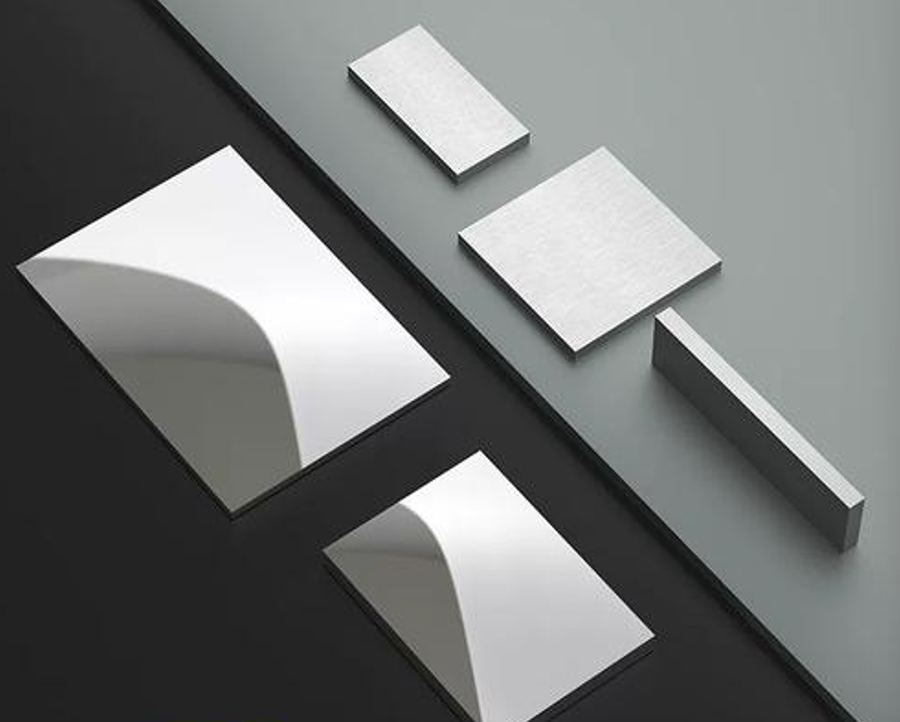
Carbide Tool & Wear-Part Grinding
Sharp crushed diamond grit for grinding carbide inserts, dies, cutting tools and wear-resistant components.
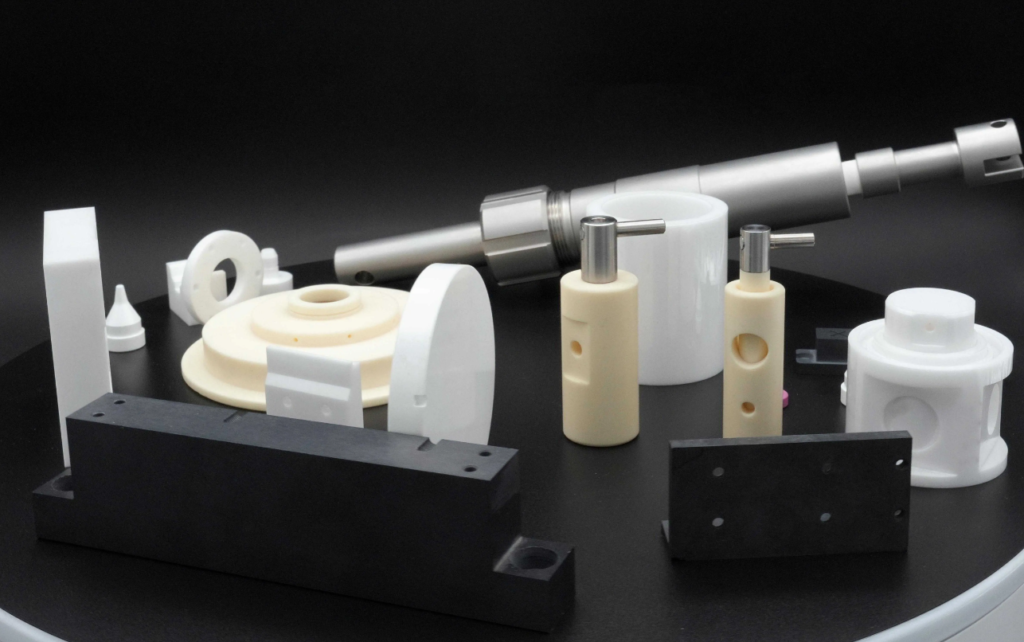
Technical Ceramic Grinding
Efficient grinding of alumina, zirconia, silicon carbide, ferrite and other hard ceramic components.

Glass, Quartz & Sapphire Grinding
Sharp diamond grit for grinding and shaping glass, quartz, sapphire and other hard-brittle materials.
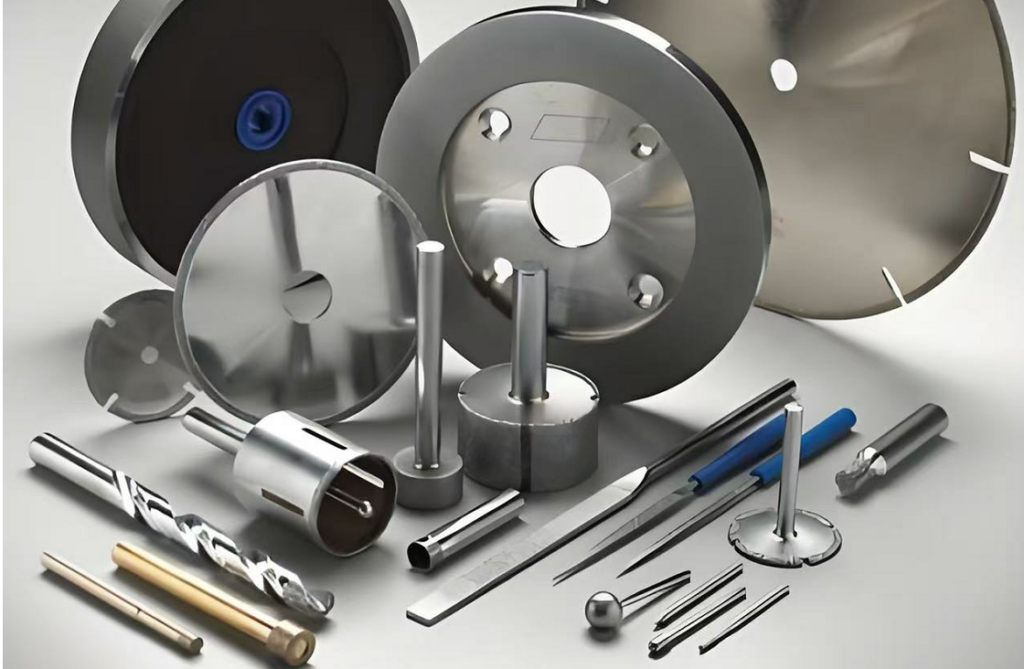
Bonded & Electroplated Tool Manufacturing
Crushed diamond grit for resin, vitrified and metal-bond grinding wheels and electroplated abrasive tools.

Stone & Engineered Stone Grinding
Efficient grinding of natural stone, engineered stone, concrete and other construction materials.
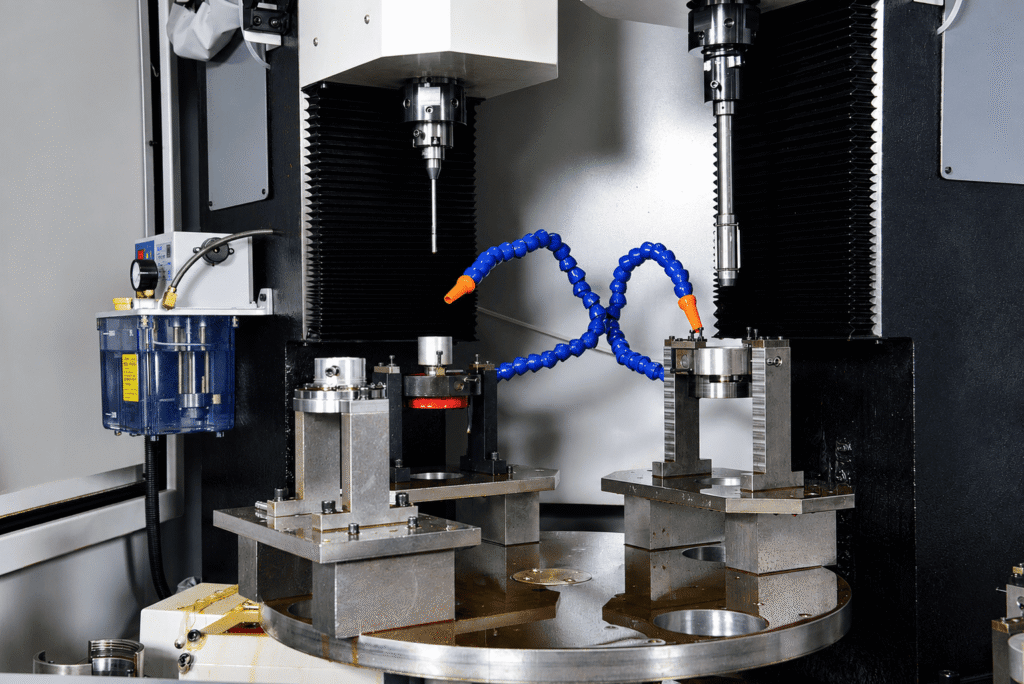
Precision Grinding & Honing
Controlled material removal for precision grinding processes requiring sharp cutting and consistent wheel performance.
Related Diamond Products
Explore complementary diamond products that form a complete solution alongside crushed diamond grit.
Wheel Grit Diamond
Directly synthesized mesh diamond with more complete crystals for stable grinding and form retention.
View Wheel Grit DiamondCoated Diamond Products
Coated diamond products for improved bond retention, thermal protection and interface performance.
View Coated Diamond ProductsMicron Diamond Powder
Fine diamond powders for precision grinding, lapping and polishing.
View Micron Diamond PowderTechnical Guides
Practical guidance on diamond grit selection, grade properties and particle size for bonded and electroplated grinding tools.
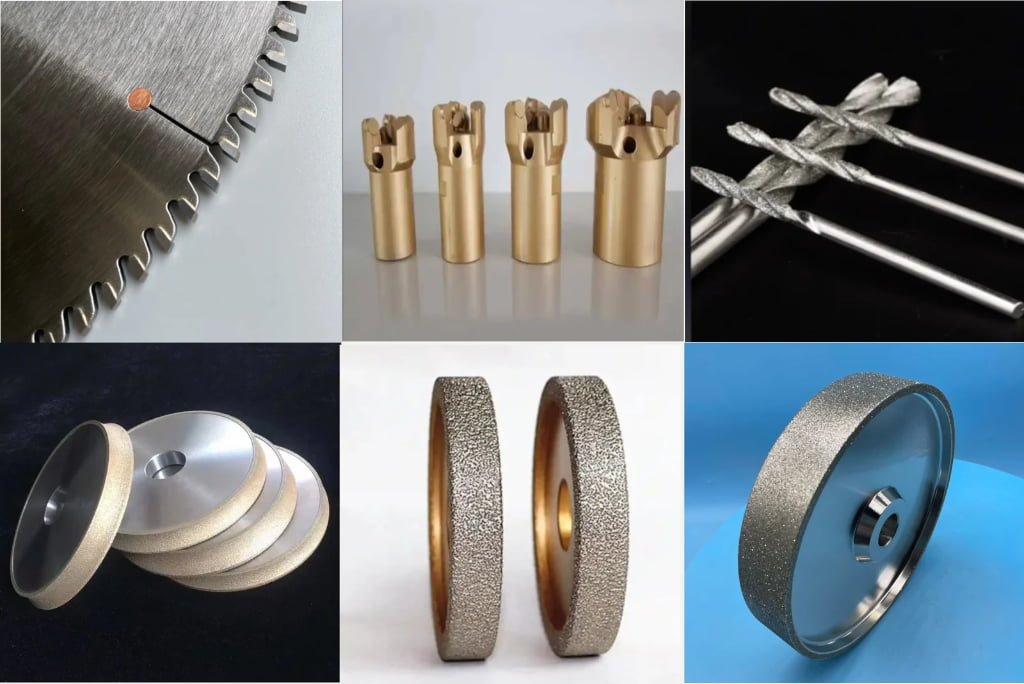
How to Choose Synthetic Diamond Powder for Cutting and Grinding
Match diamond shape, strength, friability and particle size to the bond system, workpiece and grinding load.
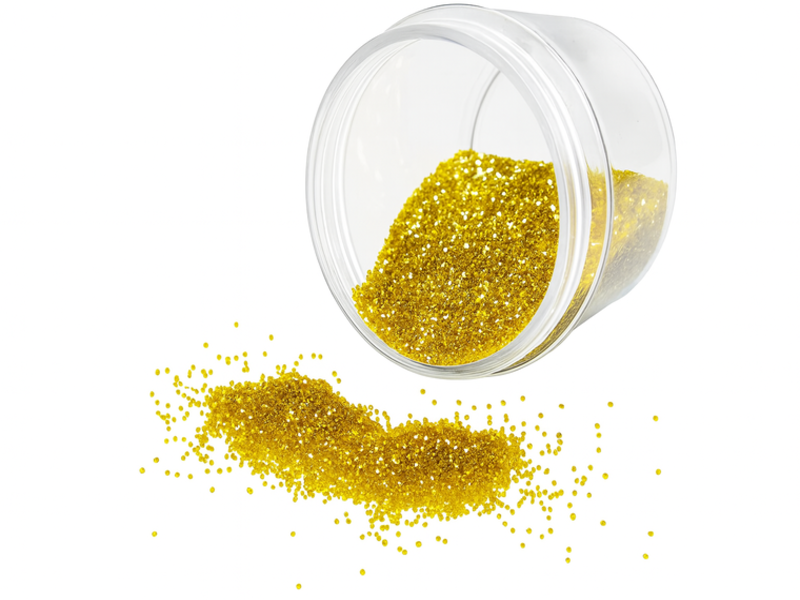
Synthetic Diamond Powder Properties and Grade Selection
Understand how crystal morphology, toughness, friability and thermal stability affect grinding performance.

Diamond Powder Particle Size Guide: Mesh, Micron and Nano
Understand mesh-size designations and how particle size affects material removal, cutting action and surface finish.
Frequently Asked Questions About Crushed Diamond Grit
Common questions about crushed diamond grit, mesh sizes, grade selection and suitable grinding applications.
What is crushed diamond grit?
How is crushed diamond grit different from wheel grit diamond?
What mesh sizes are available?
Which crushed diamond grit grade should I choose?
Can crushed diamond grit be used for steel?
Request Crushed Diamond Grit Samples or Pricing
Send us your bond system, workpiece material, required mesh size and estimated quantity for grade selection and quotation support.