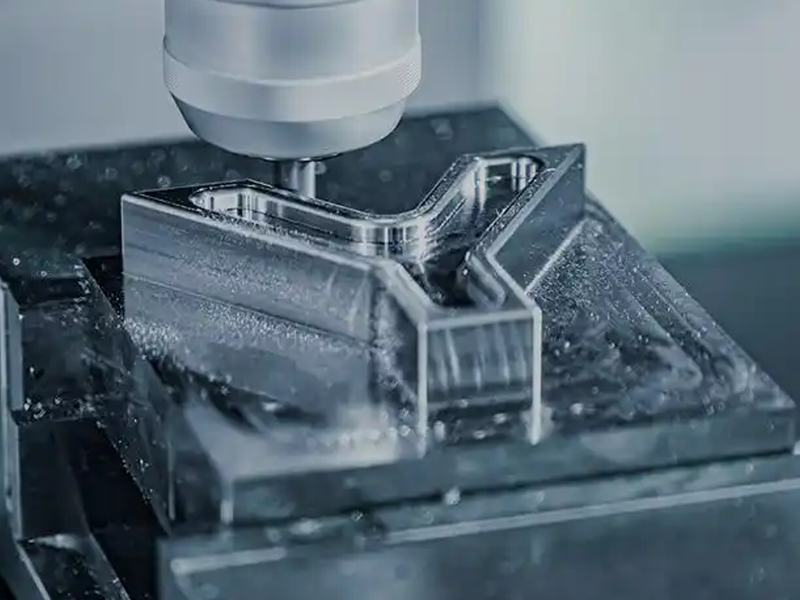
Mold & Die Polishing
APPLICATIONS

Mold & Die Polishing

Diamond Abrasives for Mold & Die Polishing

Mold and die polishing requires controlled abrasive action to remove machining marks, refine surface texture and achieve consistent finishes without altering critical geometry or edge definition.

Diamond abrasives are widely used for polishing cemented carbide dies, hardened tool steels, precision molds and other hard materials. The suitable diamond type, particle size, morphology and product form depend on the workpiece material, polishing stage and required surface quality.

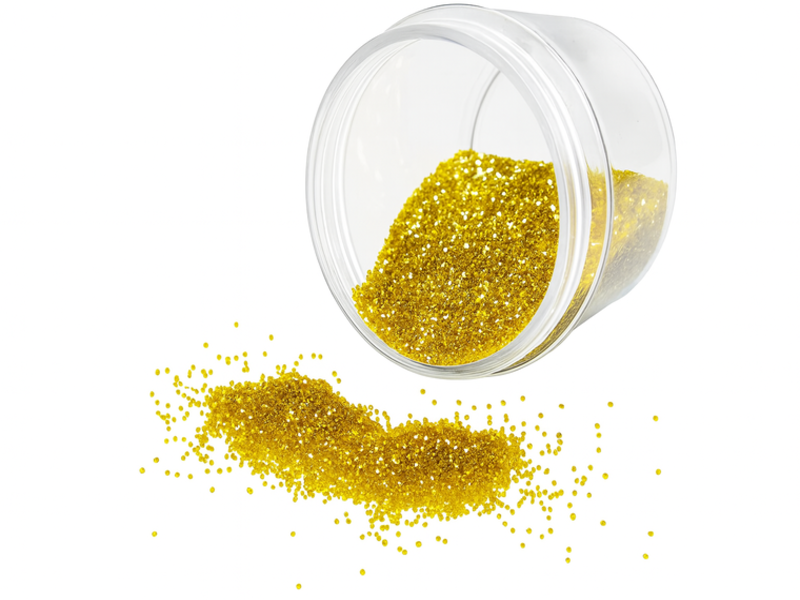
Crownkyn supplies micron diamond powder, diamond slurry, diamond paste and related polishing materials for mold and die applications, with controlled particle size distribution and consistent abrasive quality for rough polishing, fine finishing and high-precision surface refinement.

Industry Challenges

Key processing challenges that influence abrasive selection and application performance.

Scratch Control & Surface Finish

Mold and die surfaces must be refined to the required finish without introducing deep scratches, isolated defects or inconsistent polishing marks.

  • Reduce polishing scratches and defects
  • Control surface roughness and texture
  • Maintain consistent finishing quality

Geometry & Edge Preservation

Polishing must improve surface quality while preserving critical dimensions, sharp edges, small radii and detailed mold features.

  • Maintain dimensional accuracy
  • Protect edges and fine features
  • Avoid over-polishing and shape distortion

Material Hardness & Polishing Consistency

Cemented carbide, hardened tool steel and other mold materials respond differently to polishing, requiring suitable diamond type, particle size and product form for stable material removal and repeatable results.

  • Match abrasives to workpiece hardness
  • Control material removal across polishing stages
  • Improve batch-to-batch process consistency

Recommended Processing Stages

Diamond abrasive type, particle size and product form can be matched to different processing stages to balance removal efficiency, dimensional control and final surface quality.

Surface Preparation & Pre-Polishing

Surface Preparation & Pre-Polishing

Surface preparation removes grinding marks, EDM texture and other machining defects before fine polishing. Abrasive size and cutting action should be selected according to the workpiece material, initial surface condition and amount of stock that must be removed.

  • Initial surface correction: Coarser diamond abrasives can be used to remove grinding marks and prepare hard mold surfaces for subsequent refinement.
  • Cemented carbide dies: Diamond abrasives are preferred because of the high hardness and wear resistance of the carbide structure.
  • Hardened mold steels: Controlled diamond compounds are widely used in low-speed lapping and polishing, with abrasive size selected according to the starting surface condition.

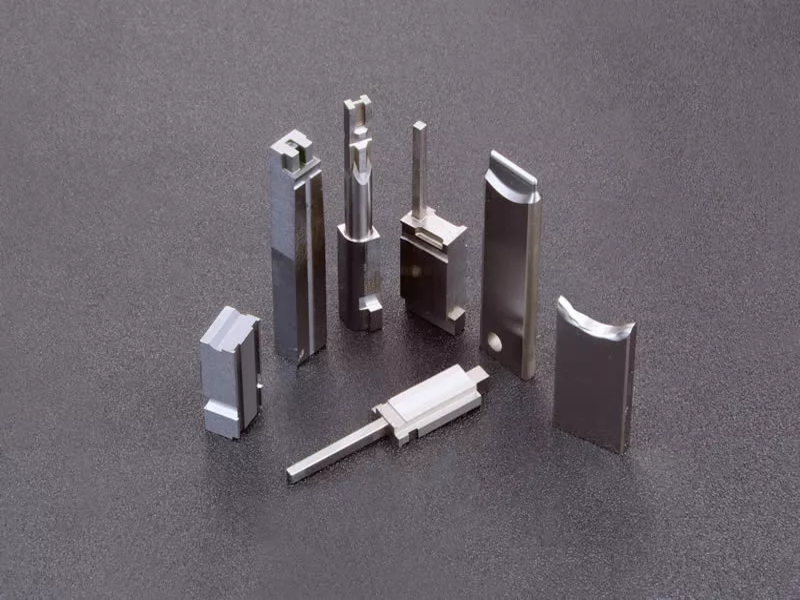
Typical applications: Carbide dies, hardened steel molds, precision mold inserts and forming tools.
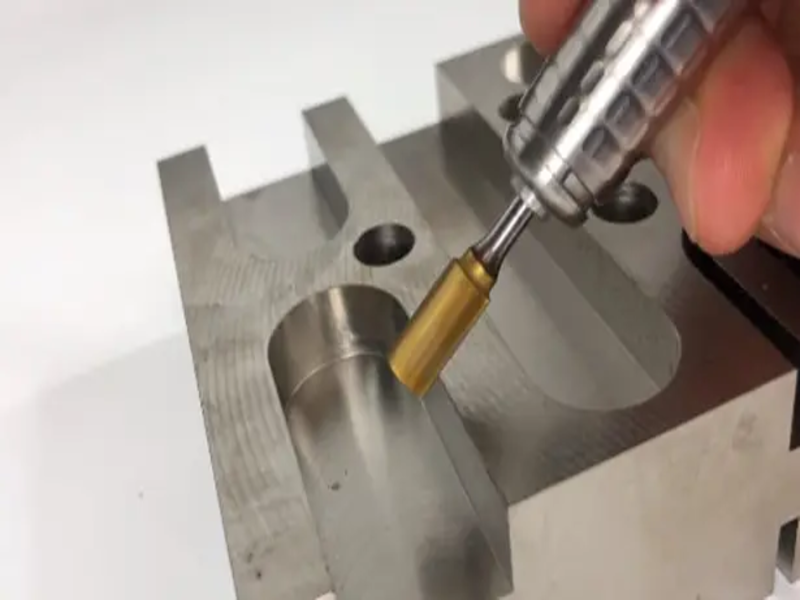
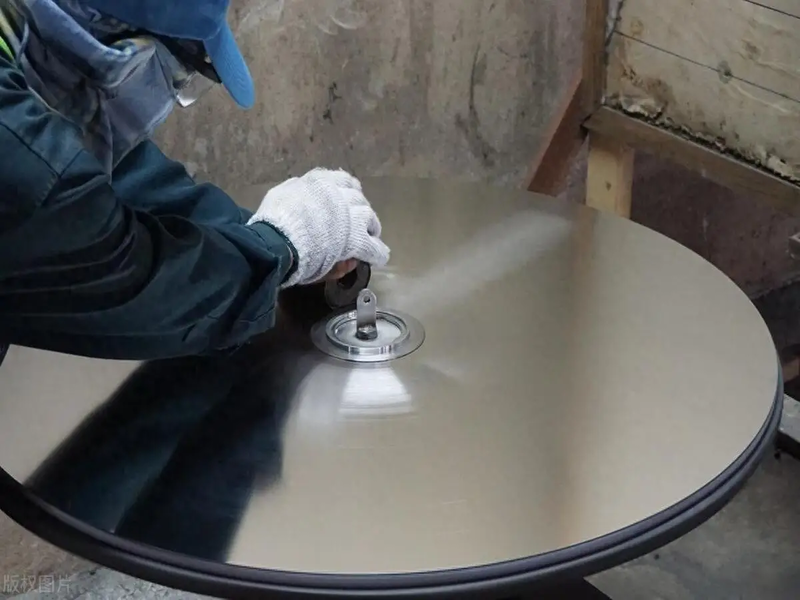
Lapping & Intermediate Polishing

Lapping & Intermediate Polishing

Lapping and intermediate polishing progressively remove residual machining marks and refine the surface before final polishing. Controlled micron diamond abrasives provide predictable material removal and help maintain flatness, geometry and surface consistency.

  • Surface refinement: Micron diamond powder, slurry or paste can be selected to progressively reduce grinding and pre-polishing marks.
  • Geometry control: Controlled abrasive size and polishing pressure help avoid excessive stock removal around edges, corners and detailed features.
  • Particle consistency: Stable PSD and low oversize content help reduce isolated scratches during progressive polishing.

Typical applications: Injection molds, stamping dies, extrusion dies, carbide dies and precision mold inserts.

Fine Polishing

Fine Polishing

Fine polishing reduces residual polishing marks and develops the required surface finish without significantly changing mold geometry. Fine diamond abrasives are selected according to workpiece hardness, previous polishing condition and final surface requirements.

  • Fine surface refinement: Fine micron diamond abrasives provide controlled cutting action for reducing residual scratches and polishing marks.
  • Scratch control: Tight particle size distribution and oversize control become increasingly important as the required finish improves.
  • Product form: Diamond paste and slurry allow abrasive concentration and carrier system to be matched to manual or mechanical polishing processes.

Typical applications: Precision injection molds, optical mold inserts, glass-forming molds, stamping dies and high-finish tooling surfaces.

Ultra-Fine & Mirror Finishing

Ultra-Fine & Mirror Finishing

Ultra-Fine & Mirror Finishing

  • Mirror finishing: Fine and submicron diamond abrasives support progressive removal of residual polishing marks on suitable mold materials.
  • Critical surface control: Abrasive cleanliness, PSD and contamination control become increasingly important at the final polishing stage.
  • Process matching: Final abrasive size and product form should be selected according to mold material, previous polishing stage and required surface finish.

Typical applications: Optical mold inserts, high-gloss injection molds, precision carbide dies and other high-finish mold surfaces.

How to Select Diamond Abrasives for Mold & Die Polishing

Diamond abrasive selection for mold and die polishing should consider the workpiece material, polishing stage, diamond type, particle size distribution and product form. These factors influence material removal, scratch control, geometry preservation and the consistency of the final surface finish.

Selection Factor
Selection Guidance
Selection Factor Workpiece Material
Selection Guidance

Select the abrasive according to the mold or die material, including hardened tool steel, cemented carbide, non-ferrous alloys and other hard materials, while considering hardness, microstructure and polishing response.

Selection Factor Polishing Stage
Selection Guidance

Match the abrasive to surface preparation, intermediate polishing, fine polishing or mirror finishing according to the initial surface condition and the amount of material that must be removed.

Selection Factor Diamond Type & Cutting Behavior
Selection Guidance

Choose monocrystalline, polycrystalline or other suitable diamond types according to the required cutting action, surface refinement and scratch-control performance.

Selection Factor Particle Size & PSD
Selection Guidance

Use coarser diamond for removing machining or grinding marks and progressively finer, tightly controlled grades as surface-finish requirements increase. Low oversize content becomes increasingly important during fine and mirror polishing.

Selection Factor Product Form & Carrier System
Selection Guidance

Select diamond powder, slurry or paste according to the polishing method, equipment, lubricant system and required abrasive concentration. The carrier system should support stable abrasive distribution and suitable polishing behavior.

Frequently Asked Questions

Common questions about diamond abrasive selection for mold and die lapping, polishing and high-precision surface finishing.

What type of diamond abrasive is suitable for mold and die polishing?

Monocrystalline diamond is widely used for mold and die polishing because it provides controlled cutting action and is available in a broad range of micron sizes. The suitable grade depends on the mold material, starting surface condition, polishing stage and required final finish.

What diamond particle size should be used for mold polishing?

Coarser micron diamond is generally used to remove machining or grinding marks, while progressively finer grades are used for intermediate and final polishing. The polishing sequence should be selected according to the initial surface condition and the finish required rather than using one fixed particle-size range for every mold.

Is diamond paste suitable for hardened steel molds?

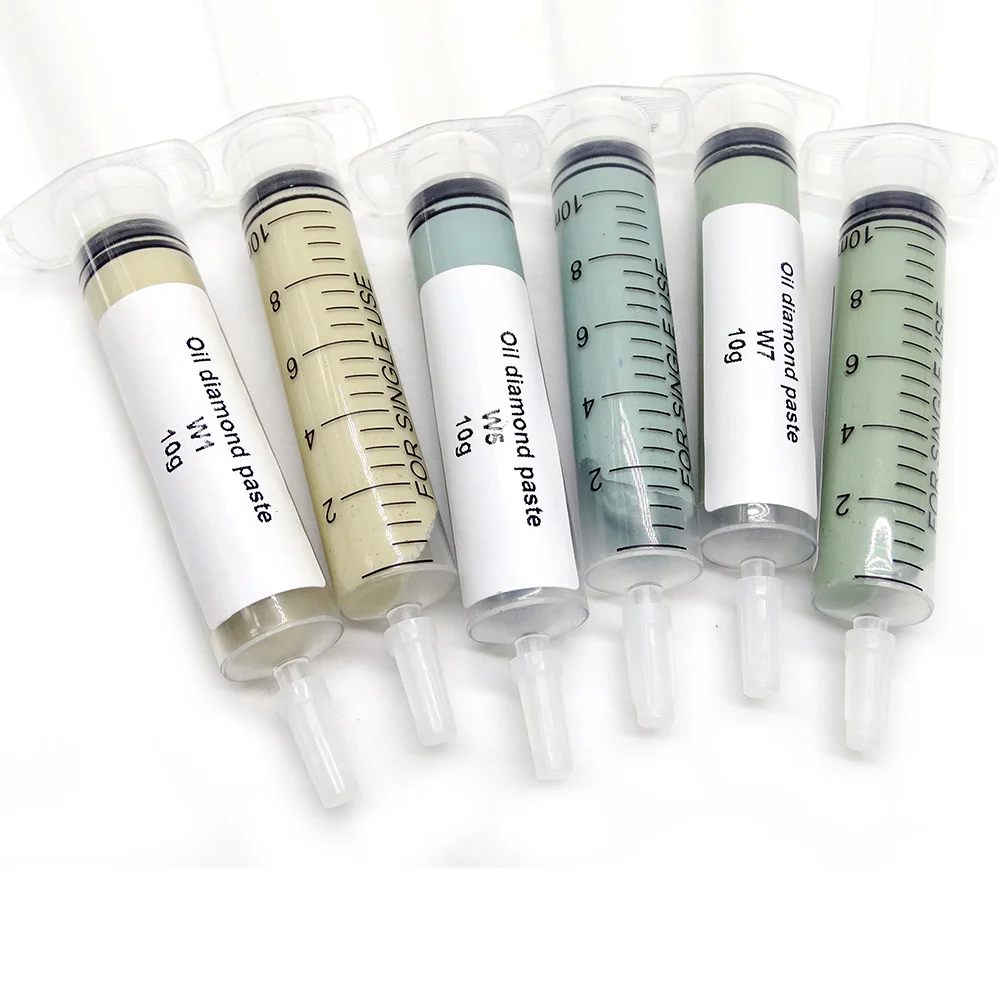
Yes. Diamond paste is commonly used for low-speed lapping and polishing of hardened tool steels, especially for removing fine machining marks and producing high-quality finishes. Abrasive size, polishing pressure and the carrier system should be matched to the steel condition and polishing stage.

How can scratches be reduced during mold and die polishing?

Scratch control depends on using clean abrasives with controlled particle size distribution, avoiding oversize particles and contamination, and removing marks from the previous polishing stage before moving to a finer grade. Clean polishing tools and controlled pressure are also important.

What is the difference between diamond powder and diamond paste for mold polishing?

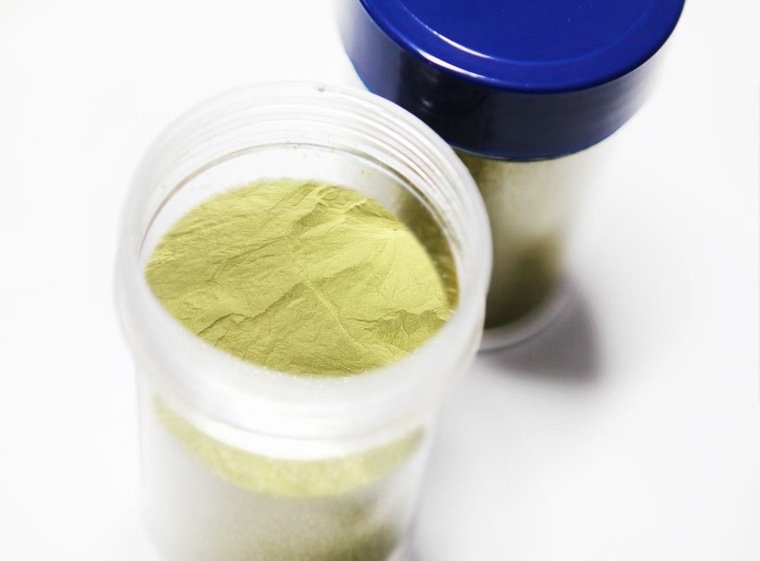
Diamond powder is the abrasive raw material and can be formulated into different polishing compounds, while diamond paste combines diamond particles with a prepared carrier for direct polishing use. Paste is often more convenient for manual, local and precision mold polishing where controlled abrasive concentration and handling are important.

Need Help Selecting the Right Diamond Abrasive?

Share your application, processed material, current abrasive specification and target performance. Our team can recommend a suitable diamond product for evaluation.

Chat with us on WhatsApp