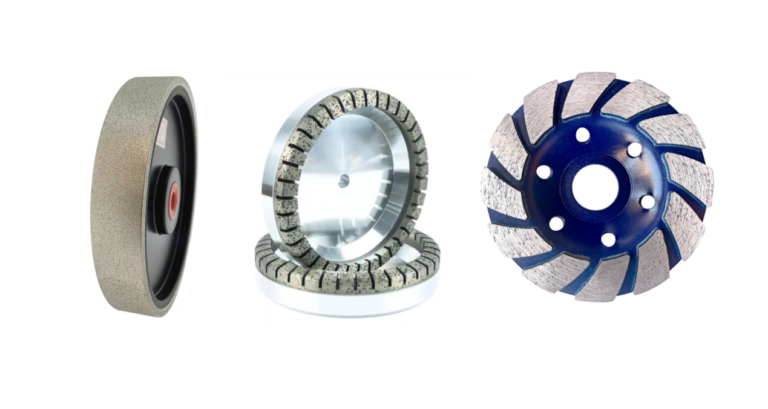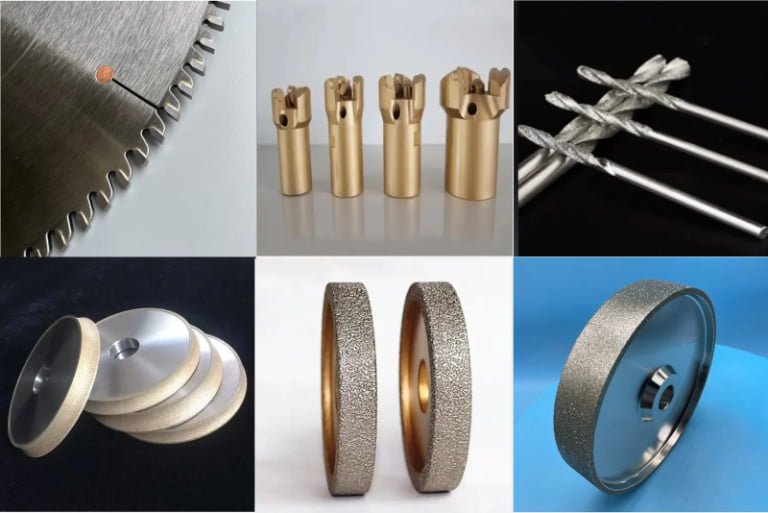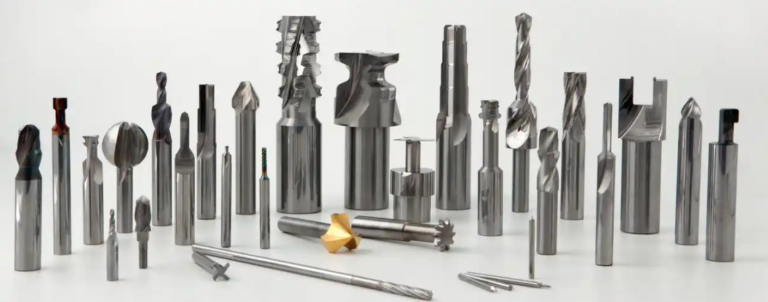
Introduction
CBN grinding wheels are widely used for precision grinding of hardened steels and other difficult-to-grind ferrous materials. Their performance depends not only on CBN grit size, but also on how the abrasive grains are retained, exposed, and renewed during grinding.
Resin, vitrified, metal, and electroplated wheel systems behave differently and therefore place different requirements on CBN strength, friability, morphology, grit size, and PSD. This guide compares these bond systems and explains how their differences affect CBN abrasive selection.
What Is a CBN Grinding Wheel?
A CBN grinding wheel uses cubic boron nitride abrasive grains as the cutting medium. CBN is commonly used for grinding hardened steels, high-speed steels, superalloys and other materials where its thermal and chemical stability provides advantages over diamond abrasives.
In a CBN wheel, abrasive performance depends not only on grit size but also on how the grains are retained and exposed. Resin, vitrified and metal bonds retain CBN within a bond matrix, while electroplated wheels typically secure a single abrasive layer to the tool surface.
This makes the bond system an important factor when selecting both the wheel construction and the CBN abrasive grade used to manufacture it.
Where Are CBN Grinding Wheels Used?
CBN grinding wheels are mainly used for precision grinding of hardened steels and other difficult-to-grind ferrous materials. Typical workpieces include high-speed steel tools, hardened tool steels, bearing steels, hardened stainless steels, and selected superalloys.
| Workpiece / Application | Why CBN Is Used |
|---|---|
| High-speed steel tools | High hardness and thermal stability during grinding |
| Hardened tool steels | Efficient grinding with controlled wheel wear |
| Bearing steels | Precision grinding and dimensional control |
| Hardened steel components | Suitable for high-hardness ferrous materials |
| Selected superalloys | Useful where high grinding temperatures and difficult machinability are involved |
For carbide, glass, ceramics, and many other non-ferrous or non-metallic hard materials, diamond abrasives are generally the more appropriate choice. See our CBN vs Diamond Abrasives guide for material-based abrasive selection.
What Are the Main Types of CBN Grinding Wheel Bonds?
The main CBN tool systems are resin bond, vitrified bond, metal bond and electroplated CBN. The first three use a bond matrix to retain the CBN grains, while electroplated CBN uses a plated metal layer to secure the grains directly to the tool surface.
- Resin Bond CBN: CBN grains are held in an organic resin matrix. The bond provides grain retention while allowing controlled exposure of new cutting edges during use.
- Vitrified Bond CBN: CBN grains are retained in a rigid vitrified bond structure. The bond can be dressed to restore the working surface and expose fresh abrasive.
- Metal Bond CBN: CBN grains are held in a metal matrix that provides strong mechanical support and high resistance to bond wear.
- Electroplated CBN: CBN grains are fixed directly to the tool surface by an electroplated metal layer. The plated layer typically retains a single working layer of abrasive and does not provide the multiple abrasive layers found in bonded tools.
The key structural difference is how the CBN grains are retained and how new abrasive can become available. Resin, vitrified and metal bond tools contain CBN grains within a bond matrix and can be designed with abrasive distributed through the tool structure. Electroplated CBN retains the grains at the tool surface in a plated layer, so once the exposed abrasive is worn, the tool does not provide another bonded abrasive layer through conventional dressing.
| CBN Wheel Type | How CBN Is Retained | Abrasive Renewal | Key CBN Selection Consideration |
|---|---|---|---|
| Resin Bond | Organic resin matrix | Bond wear/fracture exposes abrasive | Strength, friability, morphology, coating |
| Vitrified Bond | Rigid inorganic bond | Dressing + controlled bond wear | Thermal compatibility, friability, PSD |
| Metal Bond | Metallic matrix | Controlled bond wear | Strength, thermal stability, retention |
| Electroplated | Plated metal layer, typically single-layer | No underlying abrasive layer to expose | Strength, morphology, protrusion, retention |

How Does the Bond System Affect CBN Abrasive Selection?
The bond or tool system determines how CBN grains are retained and exposed during use. CBN abrasive selection therefore needs to consider the relationship between grain characteristics and the requirements of the bond system.
Grain Retention and Abrasive Exposure
Grain retention determines how securely CBN grains are held in the tool, while abrasive exposure determines how effectively the grains engage with the workpiece. These factors need to be considered together when selecting CBN for a specific tool system.
Crystal Strength and Friability
CBN crystal strength describes the grain's resistance to fracture under mechanical loading, while friability describes its tendency to fracture and generate new cutting edges.
Grit Size and PSD
CBN grit size affects the balance between material removal and surface finish.[^1] Coarser grits generally provide greater cutting capacity, while finer grits are used where a finer surface finish or tighter dimensional control is required.
PSD is also important because variation in particle size can affect abrasive distribution, grain exposure, and grinding consistency. Grit designation systems may differ between FEPA, ANSI, JIS, and supplier specifications, so the applicable sizing standard should be confirmed when selecting CBN abrasive.
Morphology
CBN grain morphology affects how grains interact with the bond and the workpiece. Grain shape and surface characteristics should therefore be considered as part of the overall abrasive selection.
How Do You Select CBN Abrasives for Different Grinding Wheel Bonds?
Resin Bond CBN Grinding Wheels
Resin bond CBN grinding wheels use an organic resin matrix to retain CBN abrasive grains. During grinding, controlled bond wear exposes fresh cutting edges, helping maintain cutting performance.
These wheels are commonly used for precision grinding and finishing of hardened steels and other suitable ferrous materials. The relatively compliant resin bond can support good surface finish, while wheel performance also depends on the resin formulation, CBN concentration, grit size, and grinding conditions.
For abrasive selection, CBN strength and friability should match the grinding load and required grain renewal. Higher-strength CBN can help reduce premature fracture under heavier loads, while more friable grades may be considered where controlled fracture and cutting-edge renewal are required. Grit size and PSD should be selected according to stock removal and surface-finish requirements. Surface treatments or coatings may also be considered to improve interaction between the CBN grain and resin matrix.
Related CBN: CBN B10 for Resin Bond Systems
Vitrified Bond CBN Grinding Wheels
Vitrified bond CBN grinding wheels use a rigid inorganic bond to retain CBN abrasive grains. Their bond structure can be dressed to restore the grinding surface and expose fresh cutting edges.
These wheels are commonly used for precision grinding of hardened steels and other suitable ferrous materials where controlled abrasive exposure, dimensional accuracy, and consistent grinding performance are required. Wheel performance depends on the vitrified bond structure, porosity, CBN concentration, grit size, and dressing conditions.
For abrasive selection, the CBN grade should be compatible with the wheel manufacturing process[^2] and provide suitable strength and friability for the intended grinding and dressing conditions. Grit size and PSD should match the required stock removal and surface finish, while controlled PSD helps maintain consistent abrasive distribution and exposure.
Related CBN: CBN A80 for Vitrified Bond Systems
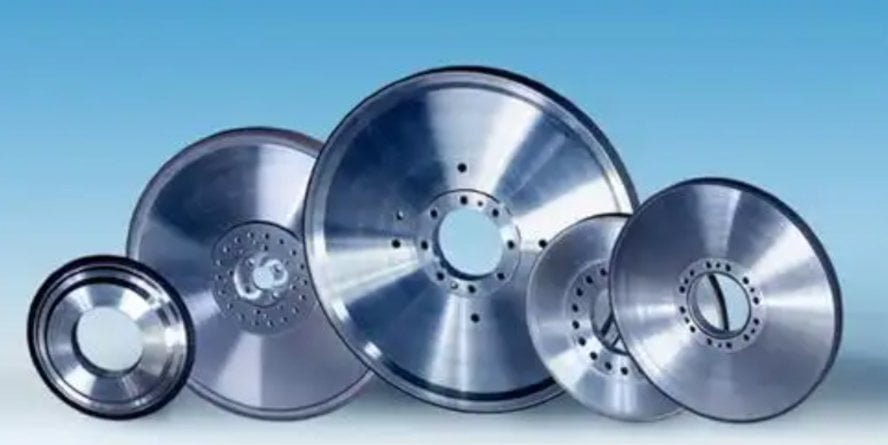
Metal Bond CBN Grinding Wheels
Metal bond CBN grinding wheels retain CBN grains in a metallic matrix[^3] that provides strong grain support and high resistance to bond wear. As the wheel operates, abrasive exposure depends on the relationship between CBN wear and the wear characteristics of the surrounding metal bond.
Metal bond CBN wheels are used where strong grain retention and durable wheel structures are required. Their grinding behaviour depends on the metal bond formulation, wheel manufacturing process, CBN concentration, abrasive characteristics, and operating conditions.
For abrasive selection, CBN strength and thermal stability should be compatible with the wheel manufacturing process and grinding conditions. Grain morphology should support effective retention in the metal matrix, while grit size and PSD should be selected according to stock removal and surface-finish requirements.
Related CBN: CBN B50 for Metal Bond Systems
Electroplated CBN Grinding Wheels
Electroplated CBN grinding wheels typically use a single layer of CBN grains retained on the tool surface by an electroplated metal layer[^4]. High grain exposure provides chip space and an aggressive cutting action[^]5, but there is no underlying abrasive layer to expose through conventional dressing as the working grains wear.
These wheels are commonly used where high abrasive exposure, defined wheel geometry, and strong grain retention are required. Because the working abrasive is concentrated in a single layer, individual grain durability, protrusion, and retention are particularly important to wheel performance.
For abrasive selection, higher-strength CBN can help reduce premature grain fracture under demanding grinding conditions. Grain morphology should support secure embedment while maintaining sufficient protrusion, and grit size should match the required cutting capacity, chip space, and surface finish. Grain pullout should be evaluated together with morphology, embedment, plating thickness, and plating conditions rather than crystal strength alone.
Related CBN: CBN A70 for Electroplated Tools · High-Strength CBN A99
Common CBN Grinding Wheel Problems and What to Check
CBN grinding performance depends on both the abrasive and the wheel system. When problems occur, the CBN grade should be evaluated together with the bond structure, wheel manufacturing conditions, dressing parameters, and grinding conditions.
| Problem | Possible CBN-Related Factor | Other Factors to Check |
|---|---|---|
| Premature grain fracture | CBN strength or friability is not suited to the grinding load | Grinding load, wheel design, operating conditions |
| Poor grain retention or pullout | Grain morphology or surface characteristics may not support sufficient retention | Bond formulation, grain embedment, plating conditions |
| Difficult dressing or excessive grain loss | CBN friability may not match the dressing requirements | Vitrified bond structure and dressing conditions |
| Grain dulling before renewal | Grain characteristics may not match the required abrasive renewal behaviour | Bond wear, abrasive exposure and grinding conditions |
| Inconsistent performance between batches | Variation in grit size, PSD, morphology or crystal strength | Wheel manufacturing consistency and process conditions |
These factors should be evaluated together rather than attributing a grinding problem to the CBN grade alone.
How to Select a Suitable CBN Grade for a Grinding Wheel
Selecting a suitable CBN grade requires considering the grinding application together with the wheel bond system and abrasive characteristics. Key factors include workpiece material, grit size, crystal strength, friability, morphology, and PSD.
For grade selection, provide:
- Workpiece material and grinding application
- Bond system: resin, vitrified, metal, or electroplated
- Current CBN grade and grit size, if available
- Target performance, such as stock removal, surface finish, or wheel life
- Current grinding issue, if any
Based on these parameters, Crownkyn can recommend a suitable starting CBN grade, grit size, and abrasive characteristics for application testing.
For a new grinding wheel specification or an existing wheel that needs optimisation, contact Crownkyn with your application and current CBN specification.
Frequently Asked Questions About CBN Grinding Wheels
What are CBN grinding wheels used for?
CBN grinding wheels are commonly used for grinding hardened steels, high-speed steels, tool steels, and other suitable ferrous materials. They are widely used in precision grinding where dimensional accuracy, surface finish, and consistent abrasive performance are important.
What is a vitrified bond in a CBN grinding wheel?
A vitrified bond is a rigid inorganic bond, typically based on glass or ceramic materials, that retains CBN abrasive grains within the grinding wheel. Vitrified CBN wheels can be dressed to restore the grinding surface and expose fresh abrasive, while bond structure and porosity also influence grinding performance.
What is the difference between resin and vitrified CBN grinding wheels?
Resin bond CBN wheels use an organic resin matrix and generally provide a more compliant grinding action, making them suitable for applications requiring controlled cutting and good surface finish. Vitrified bond wheels use a more rigid inorganic structure that can be dressed and engineered with controlled porosity.
The choice depends on the workpiece, grinding operation, surface-finish requirement, wheel design, and dressing conditions rather than the bond type alone.
Can electroplated CBN grinding wheels be dressed?
Electroplated CBN wheels typically contain a single working layer of abrasive grains. Unlike multilayer resin, vitrified, or metal-bond wheels, they cannot be dressed to continuously expose a new underlying abrasive layer.
Limited truing or conditioning may be possible depending on the wheel design and application, but once the working abrasive layer is significantly worn, there is no additional bonded CBN layer beneath it to expose.
References
[1] Analysis of Abrasive Grain Size Effect of Abrasive Belt on Material Removal Performance – ScienceDirect
Supports the influence of abrasive grit size on material removal and surface finish.
[2] Study on Preparation and Grinding Performance of Vitrified Bond CBN Grinding Wheel with Controllable Porosity – PMC
Supports the influence of vitrified bond composition, manufacturing conditions, porosity, and firing process on CBN grinding wheel structure and performance.
[3] Mechanical Properties of New Vitrified Bonds for cBN Grinding Wheel – Academia
Supports the relationship between vitrified bond properties, processing conditions, and the performance of CBN grinding wheels.
[4] High Performance Surface Peel Grinding with Electroplated CBN Wheels – Academia
Supports the single-layer structure, abrasive protrusion, and dressing considerations of electroplated CBN grinding wheels.
[5] Grain Wear Properties and Grinding Performance of Porous Grinding Wheels – ScienceDirect
Supports the relationship between abrasive grain protrusion, spacing, chip space, and grinding performance.
Drafted by: Gareth Bayley
Technical Review & Editing: Ashley Wei