Introduction
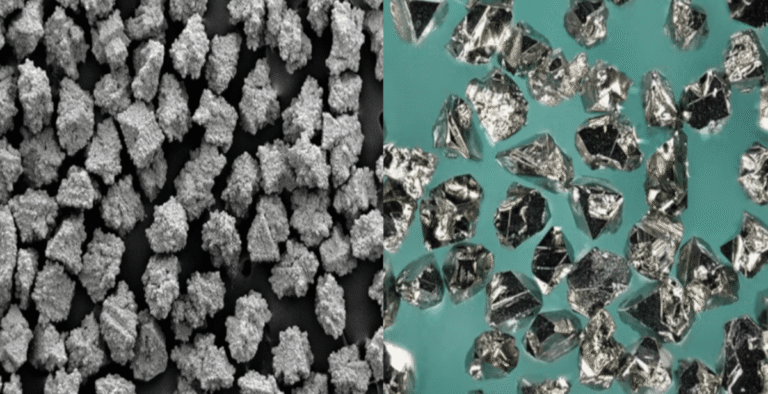
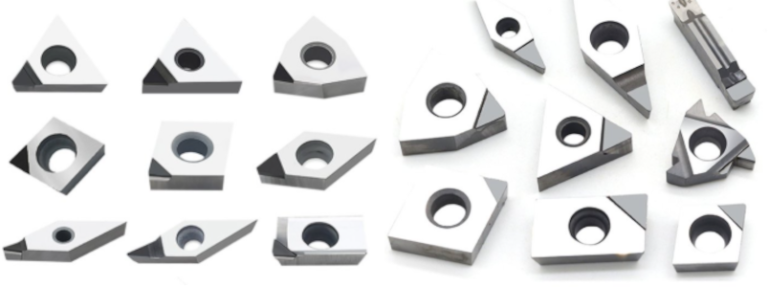
Diamond abrasive powder is widely used in cutting, grinding, lapping, and polishing hard-to-machine materials. Compared with conventional abrasives, it offers higher hardness, stronger cutting ability, better wear resistance, and more stable performance in demanding industrial applications.
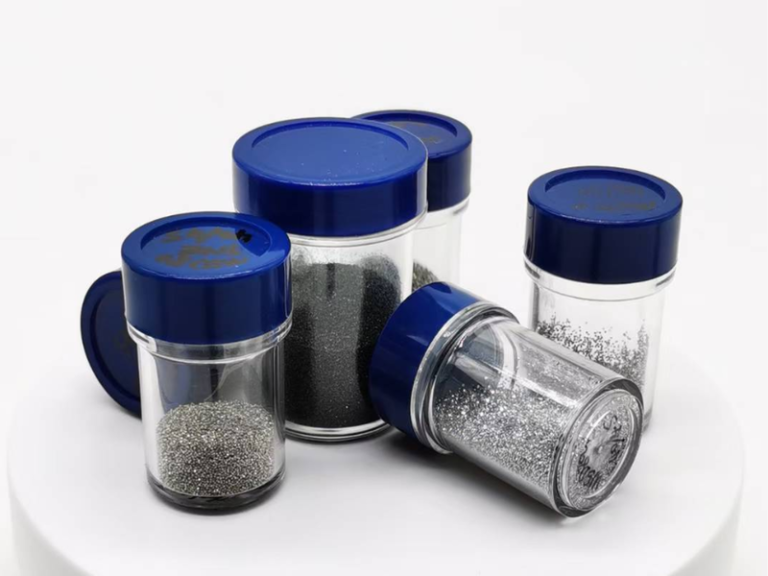
However, diamond abrasive powder is not a single product. As an important type of industrial diamond powder and superabrasive powder, it includes different forms such as synthetic diamond abrasive grit, crushed diamond powder, micron diamond powder, nano diamond powder, coated diamond powder, and thermally conductive diamond powder. Each type is designed for different materials, process stages, and performance requirements.
This guide explains what diamond abrasive powder is, how it compares with other abrasives, what main types are available, and how to choose the right form for your application.
What Is Diamond Abrasive Powder?
Diamond abrasive powder is a group of industrial diamond materials used for cutting, grinding, lapping, polishing, and other precision machining applications. Depending on the process, it may be selected as diamond powder for grinding, diamond powder for lapping, or diamond powder for polishing.
Its main advantage is that diamond is much harder than conventional abrasives, so it can machine hard, brittle, and wear-resistant materials more efficiently. In many applications, diamond abrasive powder provides faster cutting, longer tool life, better dimensional control, and improved surface finish[1].
Because of these advantages, diamond abrasives are increasingly used in place of conventional abrasives in high-performance industrial processes, especially for materials such as carbide, ceramics, glass, sapphire, silicon carbide, and other advanced materials. However, the right diamond abrasive form still depends on the workpiece material, process stage, and final performance requirement.
To choose the right product, it is first important to understand when diamond abrasives are the best option and how they compare with other common abrasive materials.
When Should You Choose Diamond Abrasives?
Diamond abrasives have many advantages but are not a universal replacement for conventional abrasives. They are especially useful when conventional abrasives cannot efficiently process hard and brittle materials. For example, diamond abrasive for ceramics, diamond abrasive for carbide, diamond abrasive for sapphire, and diamond abrasive for silicon carbide are commonly selected when cutting efficiency, tool life, and surface quality are important.
Selection still depends on the required combination of material compatibility, surface requirements, process stability, and cost-performance balance.
When to Choose Diamond Abrasives
Diamond abrasives should be selected when:
- Conventional abrasives result in excessive wear or inefficient material removal.
- Process demands high material removal efficiency with minimal subsurface damage.
- The workpiece material has very high hardness.
- Extremely low surface roughness (Ra) and high surface integrity are required.
- Dimensional accuracy and flatness are critical.
When Diamond Abrasives Are NOT Ideal
Despite their superior hardness, diamond abrasives are not always suitable for:
- Applications where tool life is less critical than consumable cost.
- Cost-sensitive bulk grinding operations.
- Rough grinding stages where high precision is not required.
- Machining ferrous materials at elevated temperatures where chemical wear can become significant.
Diamond abrasives should be viewed as a high-performance solution rather than a universal abrasive. Their value is realized when material properties and process requirements exceed the practical capability of other abrasive systems.
Diamond vs CBN, Silicon Carbide and Aluminum Oxide
Diamond abrasive powder is not always the best choice for every material or process. In many high-performance applications, diamond offers the highest hardness, fastest cutting ability, and best wear resistance. However, cubic boron nitride (CBN), silicon carbide, and aluminum oxide are still widely used when the workpiece material, machining temperature, or cost requirement makes them more suitable.
The key is to match the abrasive with the material and process stage. Diamond is usually preferred for hard, brittle, and non-ferrous materials, while CBN is more suitable for ferrous materials such as hardened steel[2]. Silicon carbide and aluminum oxide are often selected for more cost-sensitive or general-purpose grinding and surface preparation.
| Abrasive Type | Best Used For | Main Advantages | Main Limitations |
|---|---|---|---|
| Diamond | Carbides, ceramics, sapphire, glass, silicon, silicon carbide, composites, and non-ferrous materials | Highest hardness, fast cutting, excellent wear resistance, and high surface finish capability | Not ideal for high-temperature machining of ferrous materials; higher abrasive cost |
| CBN | Hardened steel, cast iron, ferrous alloys, and superalloys | Better thermal stability in ferrous machining; good tool life under high grinding temperature | Usually less effective than diamond on many hard, brittle, and non-ferrous materials |
| Silicon Carbide | Glass, ceramics, stone, cast iron, and some non-ferrous materials | Sharp cutting action, lower cost, suitable for brittle material processing | Lower wear resistance and shorter life compared with diamond |
| Aluminum Oxide | Steel, soft metals, general grinding, deburring, and surface preparation | Low cost, widely available, suitable for general-purpose applications | Limited performance on very hard or advanced materials; lower cutting efficiency than diamond or CBN |
In practical selection, diamond should be chosen when cutting efficiency, tool life, dimensional accuracy, or fine surface quality is more important than abrasive cost. CBN is usually the better option for high-temperature grinding of steel and iron-based materials. Silicon carbide and aluminum oxide remain useful for general applications where cost efficiency is more important than maximum abrasive performance.
Main Types of Diamond Abrasive Powder
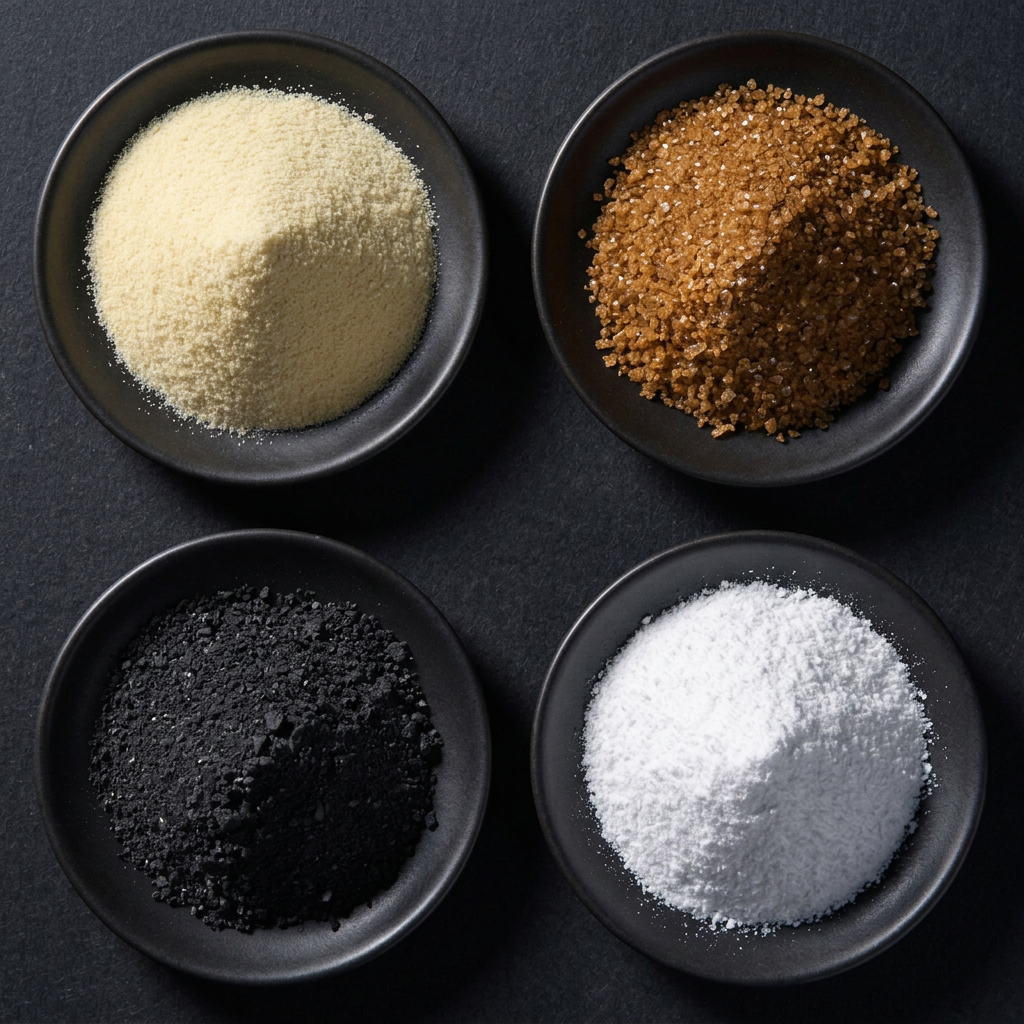
Different diamond abrasive powders provide different combinations of cutting aggressiveness, wear behavior, surface control, and system compatibility. The selection of each type depends on the processing demands, from bonded tool applications and grinding to precision polishing and thermal management.
| Diamond Abrasive Type | Primary Applications | Key Characteristics |
|---|---|---|
| Synthetic Diamond Grit | Sawing, grinding wheels, bonded diamond tools, and cutting tool applications | Used as diamond grit for cutting tools when high material removal, cutting efficiency, and wear resistance are required. |
| Crushed Diamond Powder | Aggressive grinding, lapping, and applications requiring sharp fractured particles | Irregular particles provide aggressive cutting action and efficient material removal. |
| Micron Diamond Powder | Precision lapping, polishing, diamond paste, slurry, and suspension systems | Provides controlled removal and consistent surface refinement. |
| Nano Diamond Powder | Ultra-fine finishing, high-precision polishing, and specialty slurry systems | Enables ultra-smooth finishing and fine surface correction. |
| Coated Diamond Powder | Applications requiring improved bond retention, thermal stability, or interface compatibility | Surface coatings improve retention, stability, and bonding performance. |
| Thermally Conductive Diamond Powder | High-thermal-conductivity filler applications | Provides exceptional thermal conductivity for advanced heat management applications. |
Although thermally conductive diamond powder is not mainly used as an abrasive, it is included here because many industrial buyers classify it together with diamond powder products.
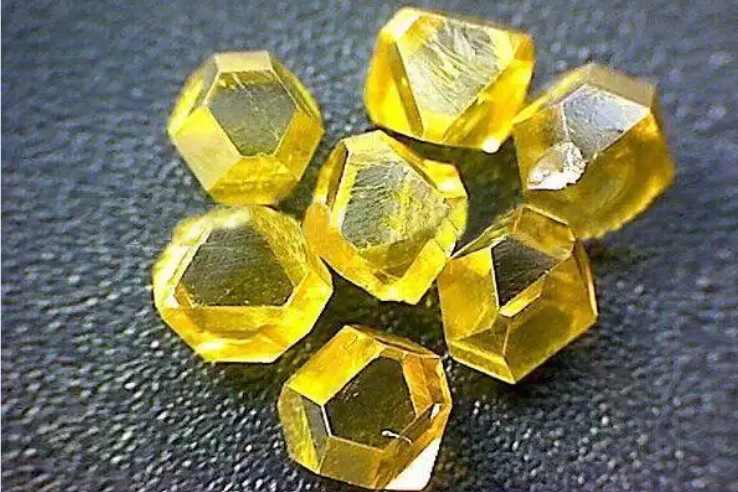
These abrasive categories define the primary performance characteristics of each diamond powder type. Further optimization within each category is achieved through selection of particle size, surface treatment, grade, and processing conditions.
How Diamond Abrasive Powder Is Used: Bond Systems and Product Forms
Diamond abrasive powder can be used in different ways depending on whether the abrasive needs to be fixed in a tool, dispersed in a liquid, or applied as a polishing compound. The most common forms include bonded diamond tools, loose abrasive powder, diamond slurry and suspension, and diamond paste or compound.
Bonded Diamond Tools
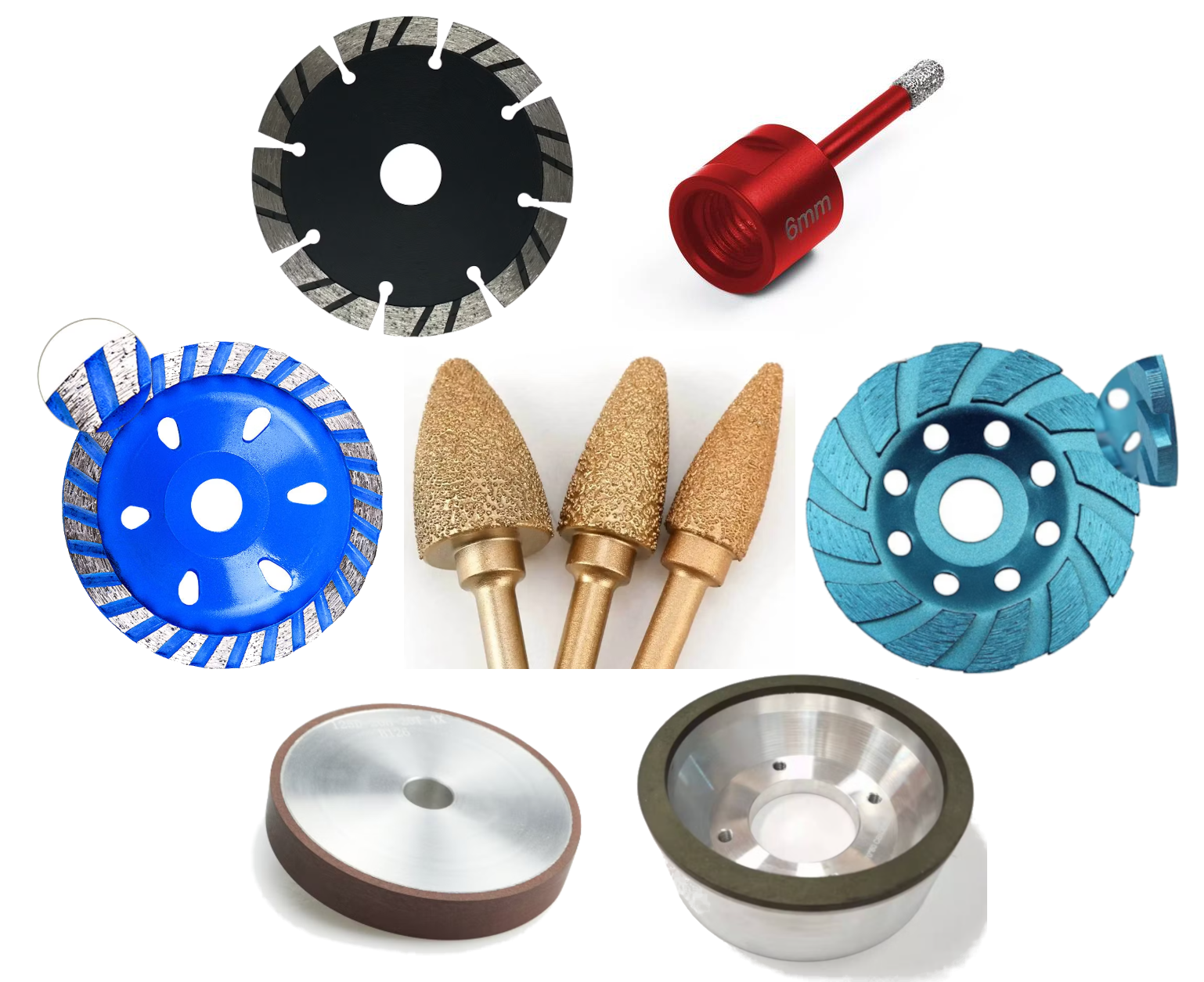
Bonded diamond tools are used when diamond particles need to be held firmly in a tool body during cutting, grinding, drilling, or shaping. In these applications, the bond system affects grit retention, cutting efficiency, tool life, heat resistance, and how quickly new diamond edges are exposed[3].
Resin bond is often selected for applications that require smoother cutting, good surface finish, and flexible tool behavior. It is commonly used in resin-bond diamond wheels, polishing pads, abrasive films, and fine grinding tools.
Metal bond is suitable for heavy-duty cutting, grinding, drilling, and lapping tools where strong diamond retention and long service life are required. It is commonly used in segmented wheels, core drills, metal-bond lapping plates, and tools for hard brittle materials.
Vitrified bond is used when the process requires a rigid tool structure, good shape holding, and coolant flow. It can be suitable for precision grinding, honing, and applications where dimensional accuracy and stable cutting performance are important.
Electroplated diamond is selected when high diamond exposure and aggressive cutting are needed. Because the diamond is fixed as a single exposed layer, it is commonly used for diamond files, burrs, mounted points, thin blades, and tools with complex shapes.
For bonded tools, diamond powder for diamond tools should be selected according to bond type, grit retention, working load, material hardness, and required surface quality. A diamond grade that works well in a slurry or paste may not perform the same way in a resin bond, metal bond, vitrified bond, or electroplated tool.
Loose Abrasive Powder
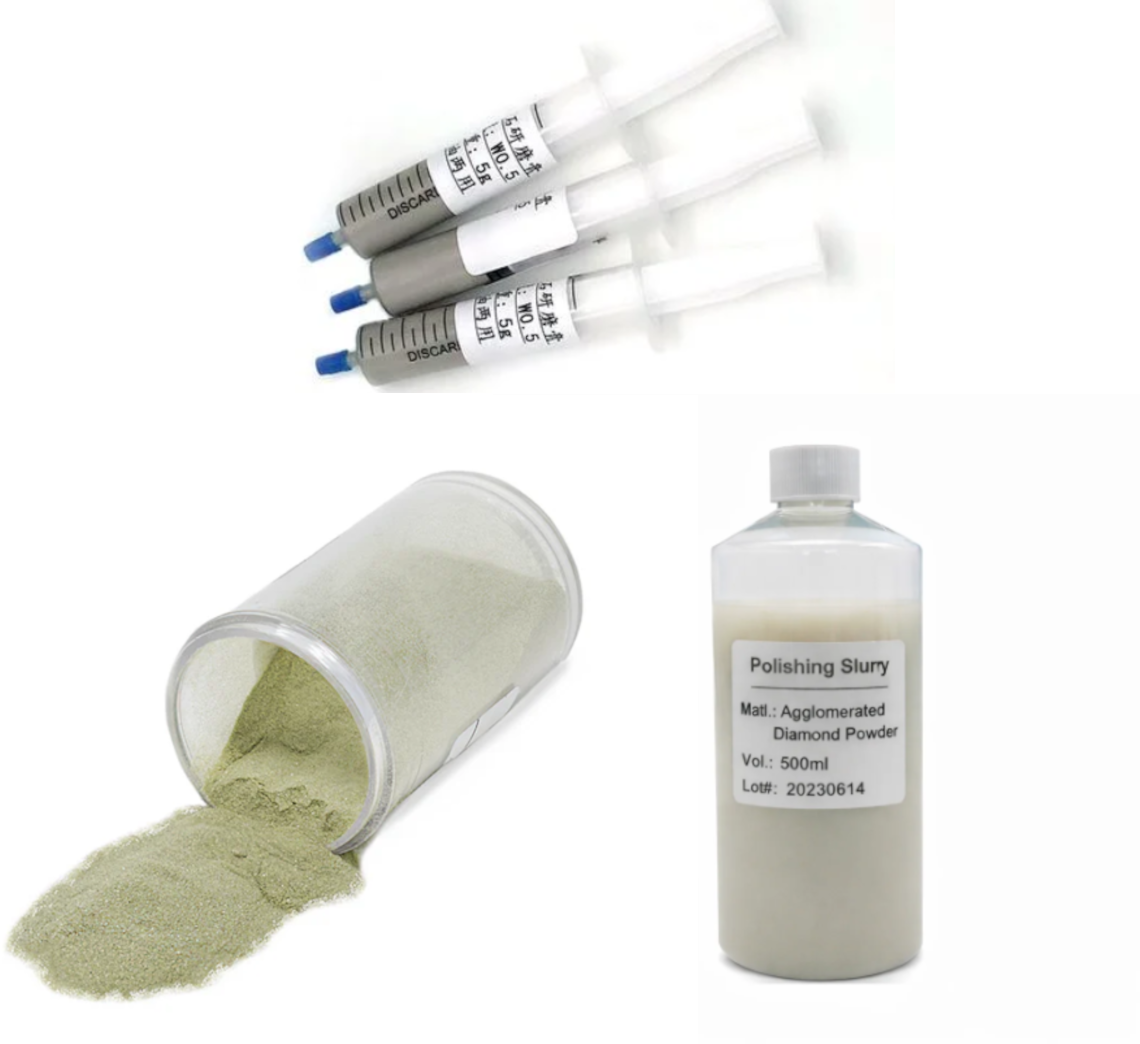
Loose abrasive powder is suitable when the user needs full control over particle size, concentration, carrier system, and formulation. It is commonly used by manufacturers who prepare their own lapping slurry, polishing compound, diamond paste, or customized abrasive mixture.
This form gives the highest flexibility, but it also requires proper dispersion and process control. If the powder is not evenly mixed or classified correctly, agglomeration or oversized particles may affect surface quality.
Diamond Slurry and Suspension
Diamond slurry and suspension are preferred when stable dispersion, cooling, lubrication, and repeatable polishing performance are required. They are widely used in precision lapping, fine polishing, optical polishing, ceramic polishing, and semiconductor-related surface finishing.
Compared with dry powder, slurry and suspension are easier to use in continuous or controlled polishing systems. They help maintain a more uniform abrasive distribution, reduce manual mixing errors, and improve polishing consistency[4].
Diamond Paste and Compound
Diamond paste and compound are more practical for mold polishing, die polishing, metallographic preparation, manual polishing, and localized finishing. Because the abrasive is held in a semi-solid carrier, it stays on the working surface more easily than dry powder or low-viscosity slurry.
This form is convenient for small-area polishing, repair work, and applications where operators need direct control during polishing. The choice of particle size and carrier type should match the material, required finish, and cleaning requirement.
The selected product form determines how diamond abrasive powder is delivered and controlled in the process. Loose powder offers flexibility, slurry and suspension improve consistency, and paste or compound provides easier manual application. In practice, the best choice depends on the user’s equipment, formulation capability, workpiece material, and final surface requirement.
Choosing the Right Diamond Abrasive by Application
Diamond abrasive selection depends on the balance between material removal rate, surface requirements, process stability, and thermal conditions. Different abrasive forms are engineered for different stages of manufacturing, from aggressive material removal to ultra-precision finishing.
| Application | Recommended Diamond Abrasive | Why It Is Suitable |
|---|---|---|
| Sawing and Cutting Tools | Synthetic Diamond Grit, Saw Grit Diamond, Coated Diamond | Requires strong crystal strength, stable cutting edges, and good retention in resin, metal, or electroplated bond systems. Coated diamond can improve bond retention and tool life under heavy cutting conditions. |
| Rough Grinding | Crushed Diamond Powder, Coarse Synthetic Diamond Grit | Sharp fractured particles and coarse grit sizes provide aggressive cutting action and fast material removal. Suitable for bulk stock removal before fine grinding or finishing. |
| Fine Grinding | Micron Diamond Powder, Fine Synthetic Diamond Grit, Coated Diamond Powder | Provides better control over material removal and surface integrity. Coated grades may be used when bond retention, heat resistance, or tool life needs to be improved. |
| Lapping | Micron Diamond Powder, Polycrystalline Diamond Powder, Diamond Slurry | Supports controlled material removal, flatness, and dimensional accuracy. Micron diamond powder is commonly used in loose abrasive or slurry systems for precision lapping. |
| Polishing | Fine Micron Diamond Powder, Polycrystalline Diamond Powder, Diamond Paste, Diamond Slurry | Used when surface finish, scratch control, and process consistency are more important than aggressive cutting. Paste is suitable for manual or localized polishing, while slurry is suitable for continuous or precision polishing systems. |
| Ultra-Fine Polishing | Submicron Diamond Powder, Nano Diamond Powder, Diamond Suspension | Suitable for very fine surface finishing, low roughness, and high-precision applications where stable dispersion and fine particle control are required. |
| Thermal Management and Advanced Materials | Thermally Conductive Diamond Powder, Coated Diamond Powder | Used mainly as a high-thermal-conductivity filler rather than an abrasive. Typical applications include electronic packaging, heat spreaders, metal matrix composites, ceramic composites, and thermal interface materials. Particle size, purity, coating, and interface compatibility are more important than cutting ability. |
The table above gives a general selection direction, but the final choice should still be adjusted according to the workpiece material, process stage, target surface finish, bond system, and operating conditions. In many cases, the right diamond abrasive is not simply the strongest or finest grade, but the one that best matches the actual application.
Common Selection Mistakes to Avoid
In diamond abrasive powder selection, many problems do not come from the abrasive itself, but from mismatching the abrasive type with the material, bond system, process stage, or final surface requirement. The following mistakes are common in cutting, grinding, lapping, polishing, and slurry applications.
Choosing only by particle size
Diamond powder particle size is important, but it is not the only selection factor. The same size may perform differently depending on particle shape, strength, PSD, and surface treatment.
Using diamond for every material
Diamond is not always ideal for high-temperature ferrous machining. CBN may be a better choice for hardened steel or iron-based materials.
Confusing abrasive diamond with thermally conductive diamond
A diamond powder used for polishing is selected differently from diamond powder used as a thermal filler.
Ignoring bond compatibility
Diamond powder for resin bond, metal bond, electroplated tools, slurry, or paste may require different particle strength and surface behavior.
Overlooking process stage
Rough grinding, fine grinding, lapping, polishing, and ultra-fine finishing require different abrasive forms.
Crownkyn Diamond Abrasive Powder Solutions
Crownkyn Diamond provides customized diamond abrasive powder solutions developed around key application requirements:
- Abrasive solutions for different processing stages, from high-efficiency material removal to precision surface finishing
- Diamond abrasives for specific requirements in cutting, grinding, lapping, polishing, and advanced material applications
- Performance optimization focused on balancing cutting efficiency, wear behavior, surface quality, and process stability
- Solutions for specialized applications requiring controlled abrasive interaction, improved retention characteristics, or thermal performance
- Trial samples and application evaluation
We help manufacturers achieve consistent abrasive performance and predictable processing results by matching diamond abrasive solutions to their specific application requirements.
Conclusion
Diamond abrasive powder should not be selected only by hardness or particle size. The right choice depends on the workpiece material, process stage, abrasive form, bond system, and final surface requirement.
Synthetic diamond grit is more suitable for cutting and grinding tools, micron diamond powder is commonly used for lapping and polishing, nano diamond powder supports ultra-fine finishing, and coated diamond powder improves bond retention or interface compatibility. For thermal management applications, thermally conductive diamond powder should be selected as a functional filler rather than a conventional abrasive.
By matching the right diamond powder type with the actual application, manufacturers can improve cutting efficiency, surface quality, tool life, and process consistency.
References
[1] Machining of Advanced Materials – National Institute of Standards and Technology (NIST)
Supports the advantages of diamond abrasives in advanced material machining, including improved cutting efficiency, longer tool life, dimensional accuracy, and surface quality.
[2] Research on the Wear Suppression of Diamond Grain – PMC
Supports the selection of CBN abrasives for ferrous material machining, where higher thermal stability makes CBN more suitable than diamond in many hardened steel applications.
[3] Grinding Wheel Design and Abrasive Selection – Pennsylvania State University
Supports the influence of bond systems on abrasive retention, cutting performance, wear behavior, and tool life in bonded diamond tools.
[4] Study on Slurry-Based Polishing Processes – PMC
Supports the role of slurry and suspension systems in improving abrasive dispersion, reducing particle agglomeration, and achieving more consistent polishing performance.
Drafted by: Gareth Bayley
Technical Review & Editing: Ashley Wei