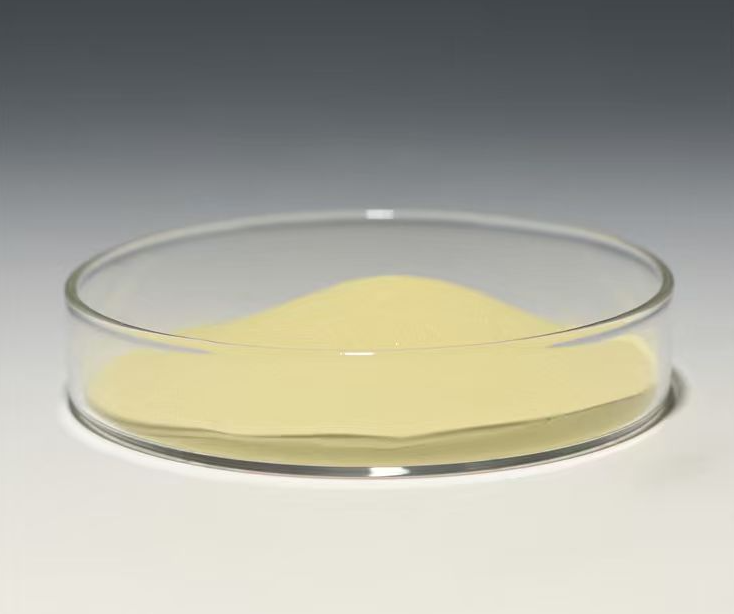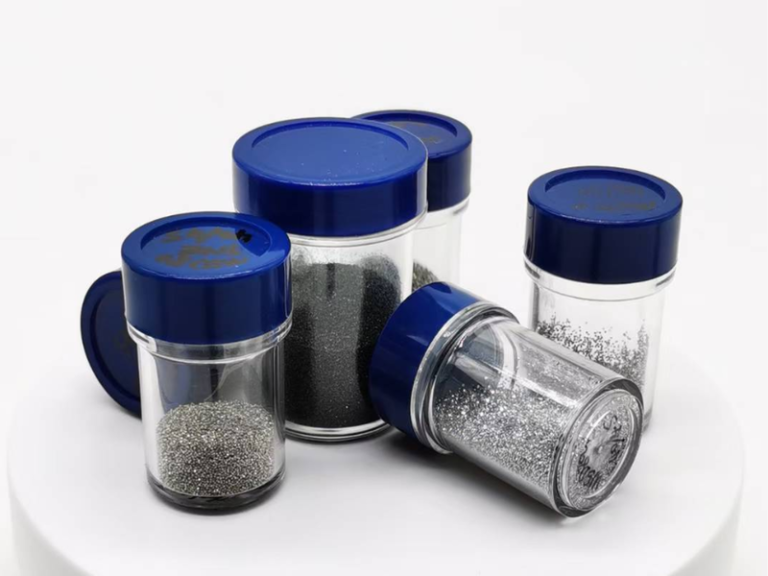
Monocrystalline vs Polycrystalline Diamond Powder: How to Choose
Synthetic diamond powder is widely used in precision polishing, lapping, grinding, and abrasive applications. Although all diamond powders share the same fundamental hardness and wear resistance, different crystal structures create different abrasive behaviors.
The two main structural types of synthetic diamond powder are monocrystalline diamond powder and polycrystalline diamond powder. Their differences in crystal structure, fracture behavior, and cutting characteristics determine their suitability for different processing requirements.
Choosing between monocrystalline and polycrystalline diamond powder is not about which type is universally better, but which abrasive characteristics best match the application requirements, including surface finish, material removal efficiency, processing stability, and workpiece sensitivity.
What Is Monocrystalline Diamond Powder?
Monocrystalline diamond powder is composed of individual single-crystal diamond particles with a continuous crystal structure. These particles typically provide stable cutting edges, high particle strength, and predictable abrasive behavior during processing.
Because of its consistent cutting performance, monocrystalline diamond powder is widely used in applications requiring controlled material removal, dimensional accuracy, and stable surface quality. It is commonly used in precision polishing, lapping, and bonded abrasive tools, including resin-bond, metal-bond, vitrified-bond, and electroplated diamond tools.
The main characteristics of monocrystalline diamond powder include:
-
Stable Cutting Edges: Provides consistent abrasive action during processing.
-
High Particle Strength: Maintains cutting ability under demanding grinding conditions.
-
Predictable Performance: Supports repeatable processing results where surface control is important.
Typical applications include precision polishing of optical components, semiconductor materials, ceramics, sapphire, and hard metals[^1].
What Is Polycrystalline Diamond Powder?
Polycrystalline diamond powder is composed of multiple nano-scale diamond crystallites bonded together within a single particle. This multi-crystal structure creates multiple micro-cutting points and enables controlled fracture behavior during processing.
Unlike monocrystalline diamond, which mainly maintains a stable cutting edge, polycrystalline diamond can continuously expose new cutting edges through controlled self-sharpening[^2]. This makes it suitable for applications where efficient material removal and reduced scratching risk are important.
The main characteristics of polycrystalline diamond powder include:
-
Self-Sharpening Behavior: New cutting points are generated during processing through controlled fracture.
-
Multiple Cutting Points: Provides efficient abrasive action and improved cutting consistency.
-
Reduced Deep Scratching Risk[^3]: Supports fine polishing applications requiring controlled surface generation.
Typical applications include fine polishing and lapping of sapphire, ceramics, SiC, optical glass, and other hard and brittle materials.
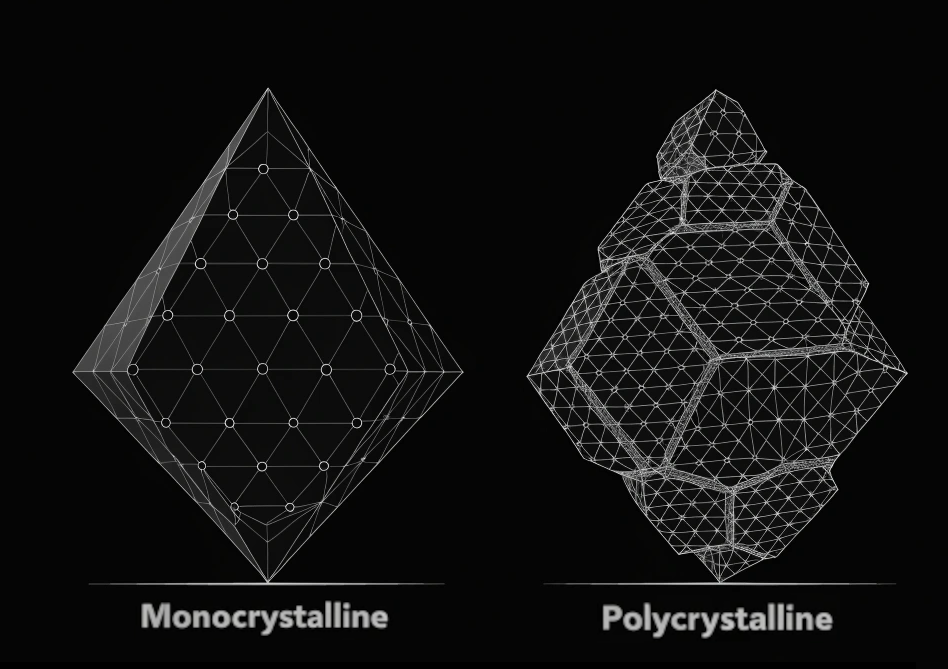
Monocrystalline vs Polycrystalline Diamond Powder Comparison
Although both monocrystalline and polycrystalline diamond powders are synthetic diamond abrasives, their different structures result in different processing advantages.
| Feature | Monocrystalline Diamond Powder | Polycrystalline Diamond Powder |
|---|---|---|
| Crystal Structure | Single-crystal diamond particle | Multiple diamond crystallites within one particle |
| Cutting Behavior | Stable cutting edge and predictable abrasion | Multiple cutting points with controlled self-sharpening |
| Main Advantage | Surface control, consistency, and precision processing | Efficient material removal and reduced scratch risk |
| Wear Behavior | Gradual wear while maintaining cutting shape | Controlled fracture exposes new cutting edges |
| Surface Finish | Excellent for high-precision finishing | Excellent for controlled fine polishing |
| Material Removal Rate | Moderate to high depending on grade | Generally higher for removal-focused applications |
| Typical Applications | Precision polishing, lapping, bonded diamond tools | Fine polishing, slurry applications, hard and brittle materials |
In practical applications, monocrystalline diamond powder is generally selected when surface quality, dimensional accuracy, and process consistency are the main priorities. Polycrystalline diamond powder is usually preferred when controlled material removal, self-sharpening behavior, and efficient polishing performance are more important.
The correct choice depends on the relationship between diamond structure, workpiece material, processing method, and final performance requirements.
How to Choose Between Monocrystalline and Polycrystalline Diamond Powder?
Selecting between monocrystalline and polycrystalline diamond powder depends on the actual processing requirements rather than choosing one type as universally better.
The main factors include surface finish, material removal efficiency, workpiece sensitivity, dimensional accuracy, and production objectives. In general, monocrystalline diamond is preferred for controlled processing and consistent surface quality, while polycrystalline diamond is often selected for higher removal efficiency and self-sharpening performance.
The following factors can help determine the most suitable diamond powder structure for your application.
Surface Finish Requirements
Surface finish is one of the most important considerations in precision polishing applications. When scratches, surface defects, or finishing variation must be minimized, the abrasive process requires stable and predictable cutting behavior.
Monocrystalline diamond powder is generally more suitable for applications where surface consistency and finishing control are critical because of its stable cutting edges and uniform abrasive performance.
Typical applications include precision polishing, semiconductor processing, optical finishing, and other applications requiring high surface quality.
Material Removal Requirements
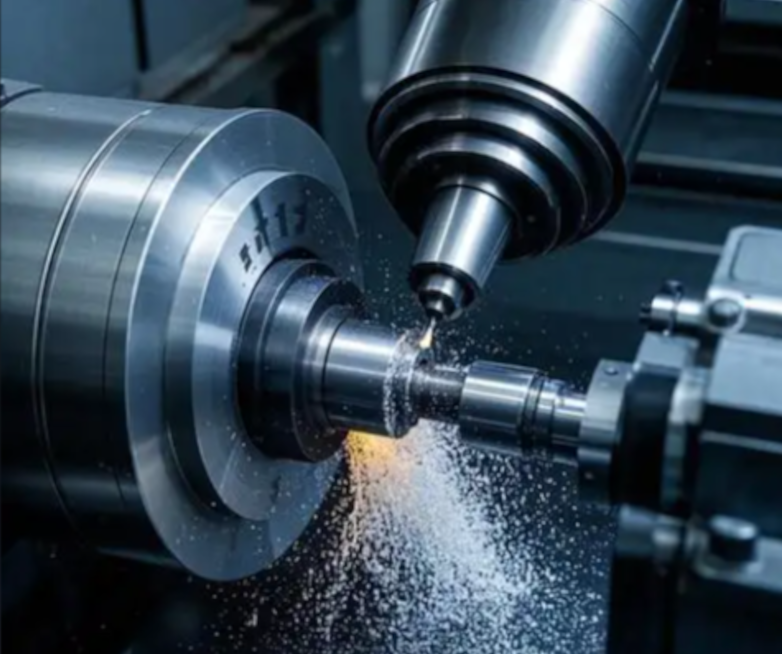
When productivity and stock removal efficiency are the primary goals, abrasive performance becomes more important than achieving the highest surface finish.
Polycrystalline diamond powder is often preferred for removal-focused applications because its multi-crystal structure provides controlled fracture and self-sharpening behavior, helping maintain effective cutting action during processing.
Typical applications include grinding, lapping, cemented carbide processing, and hard material machining where efficient material removal is required.
Workpiece Material Considerations
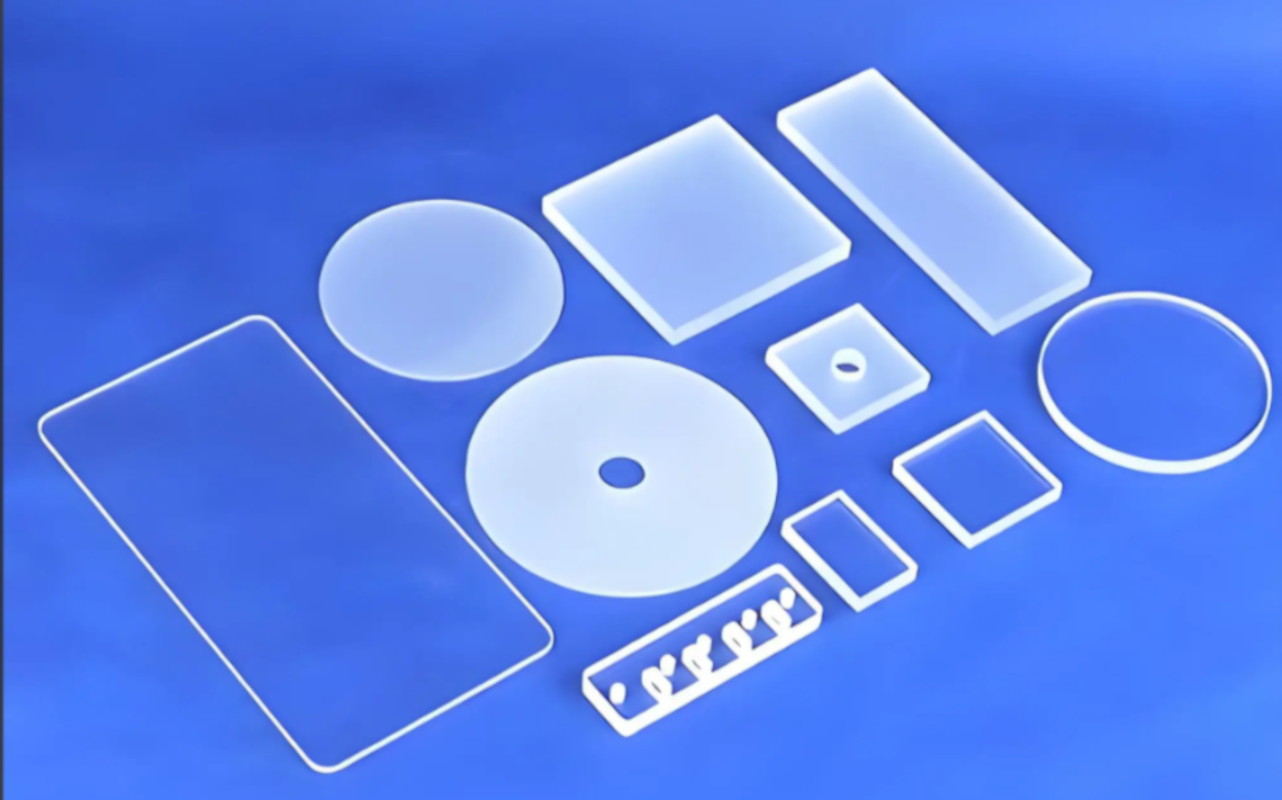
Different workpiece materials require different abrasive behaviors. Brittle, hard, or sensitive materials may require better control of surface damage and subsurface defects during processing.[^4]
For materials such as ceramics, sapphire, optical materials, and semiconductor-related materials, monocrystalline diamond powder is often preferred due to its predictable abrasive behavior and ability to support controlled surface processing.
For less sensitive materials, the selection can be based on the balance between removal efficiency, surface requirements, and production objectives.
Dimensional Accuracy and Process Repeatability
For precision components, achieving the required dimension once is not enough. The abrasive process must maintain consistent results across repeated production cycles.
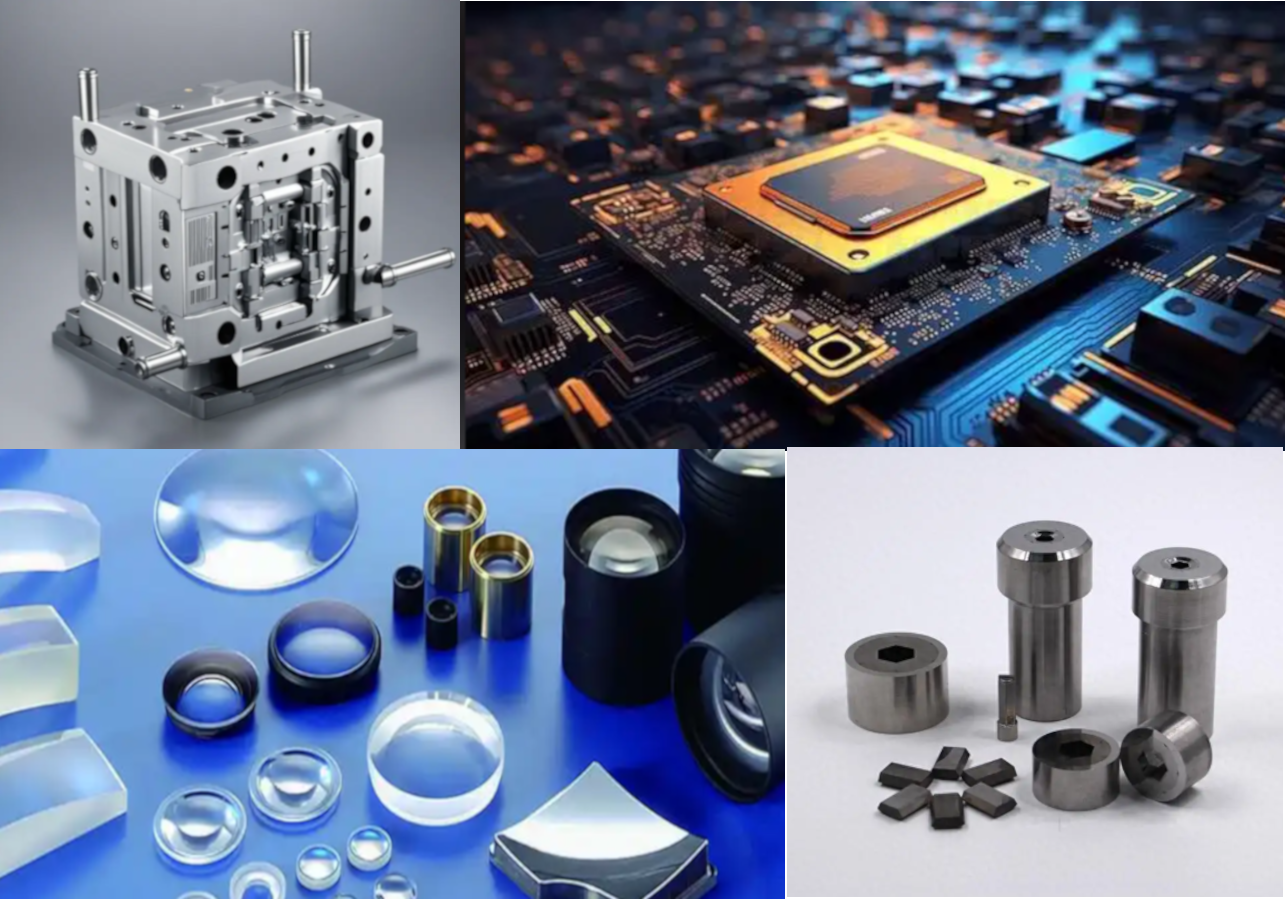
Monocrystalline diamond powder is generally preferred for applications requiring tight tolerances[^5], stable processing conditions, and repeatable finishing performance due to its consistent cutting characteristics.
Typical applications include precision mold finishing, semiconductor components, and optical component manufacturing.
Production Requirements
In production environments, diamond powder selection must consider not only abrasive performance but also process stability, consistency, and overall manufacturing efficiency.
For high-value components or precision manufacturing, stable processing results and reduced variation may be more important than maximum material removal rate. For high-efficiency production processes, improving productivity and reducing processing time may become the primary objective.
Therefore, the optimal diamond powder choice depends on the balance between surface requirements, processing efficiency, material characteristics, and production goals[^6] rather than a single performance factor.
When to Consider Polycrystalline-like Diamond Powder?
For applications requiring some of the cutting characteristics of polycrystalline diamond powder but with tighter cost considerations, polycrystalline-like diamond powder provides a practical alternative.
PLLM is designed to deliver stable cutting performance, self-sharpening behavior, and consistent surface quality while offering improved cost efficiency compared with conventional polycrystalline diamond powder.
It is suitable for precision grinding, lapping, and polishing applications where a balance between polishing performance and material cost is required.
| Feature | Polycrystalline Diamond Powder | Polycrystalline-like Diamond Powder |
|---|---|---|
| Structure | Multi-crystal diamond particle | Engineered polycrystalline-like structure |
| Cutting Behavior | Strong self-sharpening | Stable cutting performance with self-sharpening behavior |
| Surface Finish | Excellent | Good to excellent |
| Cost | Higher | More cost-effective |
| Typical Applications | High-end precision polishing | Cost-sensitive precision polishing and grinding |
Typical Selection Guide: Monocrystalline vs Polycrystalline Diamond Powder
The best choice between monocrystalline and polycrystalline diamond powder depends on the main performance requirement of the abrasive process. In general, monocrystalline diamond is preferred for precision, consistency, and surface control, while polycrystalline diamond is often selected for higher material removal efficiency and self-sharpening performance.
| Main Requirement | Recommended Diamond Type | Reason |
|---|---|---|
| High surface finish and precision polishing | Monocrystalline Diamond Powder | Stable cutting edges provide predictable abrasive performance and consistent finishing results. |
| High material removal efficiency | Polycrystalline Diamond Powder | Multi-crystal structure provides self-sharpening behavior and efficient cutting performance. |
| Processing brittle or sensitive materials | Monocrystalline Diamond Powder | Controlled abrasive action helps reduce surface damage and maintain surface integrity[^7]. |
| High productivity grinding applications | Polycrystalline Diamond Powder | Continuous exposure of new cutting points supports efficient material removal. |
| Tight dimensional tolerance and repeatable results | Monocrystalline Diamond Powder | Consistent particle behavior supports stable processing conditions. |
| Cost-performance balance between polishing quality and efficiency | Polycrystalline-like Diamond Powder | Provides a balance between polycrystalline-like cutting behavior and improved cost efficiency. |
For applications requiring maximum precision and surface control, monocrystalline diamond powder is usually the preferred choice. For applications focused on removal efficiency and productivity, polycrystalline diamond powder is generally more suitable. When balancing performance and cost is important, polycrystalline-like diamond powder can provide an alternative solution.
Crownkyn Diamond Powder Solutions
Crownkyn supplies monocrystalline and polycrystalline diamond powder for precision polishing, lapping, grinding, and abrasive applications. Our diamond powders are widely used for processing hard and brittle materials, including sapphire, ceramics, optical glass, tungsten carbide, and other advanced materials requiring stable material removal and controlled surface quality.
Selecting the right diamond powder requires more than choosing between monocrystalline and polycrystalline structures. Our team evaluates the workpiece material, processing stage, target surface finish, particle size, and application requirements to recommend a suitable diamond powder solution.
We also provide customized diamond powder options, including different particle sizes, grades, and slurry or suspension solutions for specific polishing and processing requirements.
If you are developing a new polishing or grinding process, please share your workpiece material, target surface finish, and processing conditions. Our team can help identify the most suitable diamond powder solution for your application.
Conclusion
Choosing between monocrystalline and polycrystalline diamond powder is not about selecting one structure that is universally better. The right choice depends on matching diamond abrasive characteristics with the specific processing requirements.
Monocrystalline diamond powder is generally preferred for applications requiring high surface quality, precision control, dimensional accuracy, and consistent processing results. Polycrystalline diamond powder is often selected for applications where efficient material removal, productivity, and self-sharpening performance are more important.
For applications where performance and cost need to be balanced, polycrystalline-like diamond powder can also provide an alternative solution with stable polishing performance and improved cost efficiency.
A successful diamond powder selection considers not only crystal structure, but also particle size, workpiece material, processing method, and final surface requirements.
Reference
[1] Fabrication and Polishing Performance of Diamond Self-Sharpening Abrasive Tools – PMC Supports the use of diamond abrasives for precision polishing of hard and brittle materials.
[2] Study on Self-Sharpening Mechanism and Polishing Performance of Polycrystalline Diamond Abrasives – PMC Supports the self-sharpening behavior of polycrystalline diamond through controlled fracture.
[3] Comparative Study of Monocrystalline and Polycrystalline Diamond Abrasives – PMC Supports the different abrasive behaviors of monocrystalline and polycrystalline diamond structures.
[4] Recent Advances in the Characterization of Subsurface Damage in Precision Machining of Brittle Materials – PMC Supports the importance of controlling surface and subsurface damage in brittle material processing.
[5] Prediction Model and Experimental Verification of Surface Quality in Diamond Abrasive Processing – PMC Supports the use of monocrystalline diamond abrasives for precision processing requiring stable surface quality.
[6] Developing an Analytical Model and Computing Tool for Lapping and Polishing Process Optimization – PMC Supports multi-factor diamond abrasive selection based on process requirements.
[7] Material Removal Mechanisms of Brittle Materials in Precision Abrasive Processing – ScienceDirect Supports the relationship between abrasive characteristics and surface integrity during processing.