Introduction
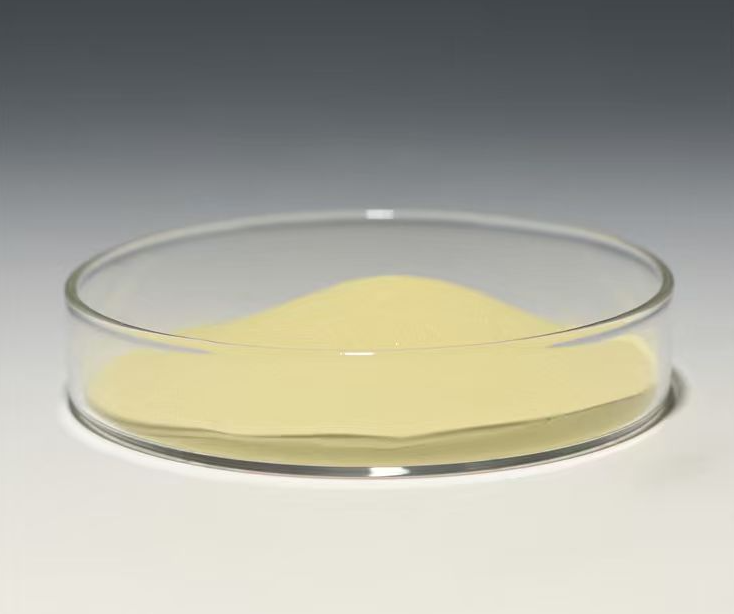
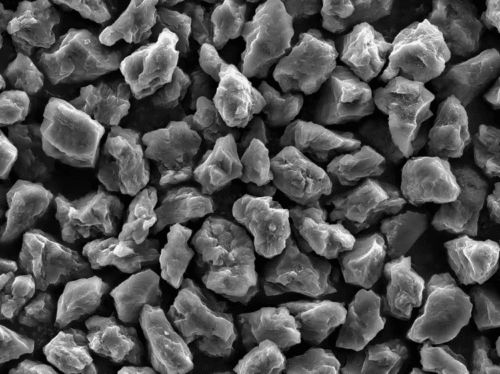
Synthetic diamonds have developed significantly over the past several decades and are now produced for a wide range of industrial and advanced applications. From synthetic diamond powder used in cutting, grinding, lapping, and polishing to specialized diamond materials used in electronics, thermal management, and other emerging technologies, synthetic diamond has become an important engineered material.
Continued advances in diamond production and processing are enabling manufacturers to produce materials with increasingly controlled and consistent characteristics for different applications.
This comprehensive overview examines the development of synthetic diamonds, the main production technologies and material types used today, their industrial applications, and the key developments shaping the synthetic diamond industry in 2026.
What Is Industrial Synthetic Diamond?
Synthetic diamond is real diamond produced through technological processes rather than geological formation. Like natural diamond, it consists of carbon atoms arranged in the diamond crystal structure and has essentially the same fundamental physical and chemical properties.
Synthetic diamond should also be distinguished from diamond simulants such as cubic zirconia and moissanite. Simulants are different materials that resemble diamond in appearance or certain properties, while synthetic diamond has the same chemical composition and crystal structure as natural diamond.
Industrial synthetic diamond is valued for its combination of exceptional hardness, wear resistance, thermal conductivity, and chemical stability. These properties make diamond abrasive particularly effective for applications where conventional abrasive and engineering materials cannot provide the required level of cutting performance, wear resistance, or thermal management.
How Are Synthetic Diamonds Produced?
Synthetic diamond can be produced through several manufacturing technologies, with each process creating diamond with different characteristics and forms. The two principal methods used for producing synthetic diamond are high-pressure high-temperature (HPHT) and chemical vapor deposition (CVD), while specialized processes such as detonation synthesis are used to produce nanodiamond.
HPHT Synthetic Diamond
High-pressure high-temperature (HPHT) is one of the main production methods used to produce synthetic diamond for industrial applications. The process combines high pressure and high temperature with a carbon source, diamond seed, and metallic catalyst system to create the conditions required for diamond crystal growth.
During this process, carbon dissolves into a molten catalyst and migrates toward the diamond seed, where it crystallizes and grows into a synthetic diamond crystal. Common catalyst systems are based on metals such as iron, nickel, and cobalt, with the specific system and growth conditions influencing the characteristics of the resulting diamond.
For industrial production, HPHT is particularly important because the resulting crystals can be processed into a wide range of abrasive grit sizes and grades. Manufacturers can control aspects of crystal growth that influence strength, morphology, toughness, and fracture behaviour, allowing different diamond grades to be developed for different abrasive applications.
HPHT synthetic diamond remains widely used for industrial abrasives because it offers a combination of consistent and controllable crystal characteristics, scalable production, and predictable performance.
CVD Diamond
Chemical vapor deposition (CVD) produces synthetic diamond through the deposition of carbon from a methane and hydrogen gas mixture activated by plasma onto a diamond substrate. The process operates at low pressure, with an energy source such as microwaves used to create the plasma and activate the gases required for diamond growth.
Unlike HPHT growth, CVD produces diamond progressively on a substrate, allowing manufacturers to produce single-crystal and polycrystalline diamond in different forms.
The controlled CVD growth environment allows manufacturers to influence impurity levels, defect concentration, and crystal structure.
Detonation Nanodiamond
Detonation nanodiamond (DND) is produced through a fundamentally different process from HPHT and CVD. Instead of growing diamond crystals gradually, the process uses a rapid detonation reaction to create extremely high pressure and temperature for a very short period, causing carbon to transform into nanoscale diamond.
The material consists of nanocrystalline diamond particles, typically only a few nanometres in size, together with non-diamond carbon and other reaction products. The raw detonation product therefore requires subsequent purification and processing to remove unwanted carbon and impurities.
Unlike conventional HPHT and CVD diamond, which can produce larger single-crystal or polycrystalline forms, detonation synthesis produces diamond directly at the nanoscale. Nanodiamond has a high surface area and a structure consisting of very small diamond crystallites.
Chapter 3: The Syntheic Diamond Comparisons – HPHT vs. CVD vs. PCD
To choose the synthetic diamonds for a given job, one must understand the trade-offs. The following table provides a technical summary:
| Feature | HPHT Diamonds | CVD Diamonds | PCD (Detonation) |
|---|---|---|---|
| Growth Method | High pressure (5.5+ GPa), high temperature (>1,400°C) | Low pressure, moderate temperature (700–1,000°C) | Explosive shockwave conversion |
| Crystal Structure | Single crystal | Single crystal (epitaxial layer) | Polycrystalline (nanocrystalline aggregate) |
| Typical Purity | Type Ib (nitrogen-rich) or IIb (boron-doped) | Type IIa (ultra-pure, no nitrogen) | Mixed, but dominated by nanocrystalline defects |
| Typical Color | Yellow, brown, blue, green | Brown (as-grown), colorless (after anneal) | Dark gray to black (opaque) |
| Key Inclusions | Metallic flux particles (magnetic) | SiV center (737 nm line), pinholes, stria | None at visible scale; nanoscale grain boundaries |
| Hardness (GPa) | 70–120 | 70–120 | 80–110 (lower than single crystal, but tougher) |
| Thermal Conductivity | Very high (1000–2000 W/m·K) | Highest (2000+ W/m·K for Type IIa) | Moderate (due to grain boundary scattering) |
| Primary Use | Industrial grit, cheap gemstones, cutting tools | Large flawless gems, electronics, heat sinks, quantum sensors | Precision grinding, lapping, polishing of hard materials |
| Relative Cost | Low (industrial) to medium (gem) | Medium to high (larger stones) | Low to medium (per kilogram) |
Chapter 4: Synthetic Diamonds Applications
Having established how synthetic diamonds are made and how the main types compare, we now turn to where these materials are actually used.
4.1 Industrial & Manufacturing
The largest market by volume—accounting for over 90% of synthetic diamond production, is not jewelry, but industry.
- Cutting, Drilling, and Grinding: Diamond-tipped saw blades for cutting granite and asphalt; impregnated diamond drill bits for mining and construction; diamond grinding wheels for machining hardened steel, ceramics, and cemented carbides. HPHT diamond grit dominates here.
- Polishing and Lapping: The semiconductor industry consumes enormous quantities of diamond slurries to polish silicon wafers, sapphire substrates (for LEDs), and hard disk drive platters. Micron-sized PCD powders are preferred for final polishing because they produce fewer microscratches.
- Wire Drawing: Diamond dies—small single-crystal diamonds with a precisely drilled hole—are used to draw copper, tungsten, and gold wire down to hair-thin diameters. CVD diamond’s lack of inclusions makes it ideal for ultra-fine wire dies.
4.2 Optics and Semiconductor Fabrication
The semiconductor and optics industries rely heavily on synthetic diamond, both as a tool for manufacturing components and as a key material within the components themselves.
- Grinding and Polishing of Optics: Diamond grits and powders are essential for shaping and finishing precision optical components. From grinding the rough surface of a glass lens to the final polishing of complex optical elements, diamond abrasives are the only materials capable of achieving the required surface quality and dimensional accuracy without introducing subsurface damage.
- Semiconductor Wafer Processing: Diamond tools and slurries are integral to semiconductor wafer fabrication. Diamond grits are used for the precision slicing and grinding of silicon and other semiconductor ingots. Diamond slurries, particularly polycrystalline diamond (PCD) powders, are used in the chemical-mechanical polishing (CMP) process to create the atomically flat surfaces required for modern integrated circuits .
- Optical Windows for Advanced Manufacturing: While perhaps a more specialized application, synthetic diamond is the only commercially viable material for critical optical windows in high-power CO₂ lasers used for extreme ultraviolet (EUV) lithography. This application is fundamental to the production of next-generation microchips, and diamond's unique properties enable higher productivity and cost-efficiency in these systems
4.3 Thermal Management
As transistors shrink and power densities rise, conventional heat sinks cannot remove heat fast enough. Diamond conducts heat approximately five times better than copper and is electrically insulating, making it an ideal thermal management material for advanced electronics.
- Heat Spreaders: Thin diamond films are brazed onto high-power laser diodes, RF GaN transistors in 5G base stations, and LED arrays. By spreading heat laterally, diamond lowers junction temperatures, increasing device lifetime and output power. Commercial orders for diamond-based thermal management solutions for AI servers and high-end consumer electronics are expected to materialize in 2026.
- Substrates for GaN-on-Diamond: Researchers now grow gallium nitride transistor layers directly on CVD diamond substrates. The result is transistors that can handle significantly higher power density before failing compared to those on silicon or silicon carbide. Raytheon devices have demonstrated a three times increase in power density using this approach
4.4 Quantum Technologies
Synthetic diamonds can be engineered with specific characteristics that enable applications in sensing and measurementcapabilities that natural diamonds cannot provide reliably.
- Quantum Sensors: Diamond tips containing engineered nitrogen-vacancy (NV) centers can measure magnetic fields with exceptional precision. Applications include mapping current flow in integrated circuits and imaging magnetic domains in advanced materials.
- Nanoscale Thermometry: NV centers in diamond nanocrystals change their optical properties with temperature. This enables temperature measurement at the nanoscale for research in biology and materials science.
- **Diamond Anvil Cells: Two HPHT diamonds are used to squeeze samples between their tips, generating extreme pressures for scientific research. Applications include studying materials under conditions found deep within planets.
4.5 Emerging Biomedical Applications
Diamond is biocompatible, non-toxic, and resists protein adsorption and bacterial adhesion.
- Nanodiamond Drug Delivery: Detonation nano diamond (4–5 nm diameter) have high surface areas and can be functionalized with drug molecules. They are being tested for sustained release of chemotherapeutics (e.g., doxorubicin) with fewer side effects.
- Coatings for Implants: Thin diamond coatings are deposited onto titanium hip and knee implants, reducing wear debris (a major cause of long-term implant failure) and lowering infection rates.
- Neural Interfaces: Diamond electrodes are far more stable than metal or silicon electrodes for recording neural signals over months or years. They do not corrode, and they form a low-impedance interface with neural tissue.
Chapter 5: Synthetic Diamond vs Natural Diamond
To the naked eye, a synthetic diamond has exactly the same appearance as a natural diamond. However, sophisticated gemological labs (GIA, IGI, HRD) use several methods that can be used to check:
| Test | HPHT Synthetic | CVD Synthetic | Natural Diamond |
|---|---|---|---|
| UV Fluorescence (longwave) | Often green, yellow, or strong blue with a cross-shaped pattern (due to sectorial growth) | Typically orange, pink, or inert; often shows layered fluorescence stripes | Typically blue, sometimes inert or yellow |
| Phosphorescence | Common (minutes) after UV exposure | Rare or weak | Rare (seconds) |
| Magnetism | Weakly to moderately magnetic (metallic inclusions) | Non-magnetic (no metal) | Non-magnetic |
| Microscopic Inclusions | Metallic flux particles (dark, rod-like) | Graphitic pinholes, stria lines, no metals | Mineral crystals (garnet, peridotite, diamond) |
| Spectroscopy (FTIR) | Type Ib (single substitutional nitrogen) or IIb (boron) | Type IIa (no detectable nitrogen) | Type Ia (nitrogen aggregates) common |
| UV-Vis-NIR Spectrum | None typical; may show Ni or Co-related lines | Sharp SiV peak at 737 nm | Natural-specific absorptions (e.g., N3 center at 415 nm) |
Chapter 6: Synthetic Diamond Developments
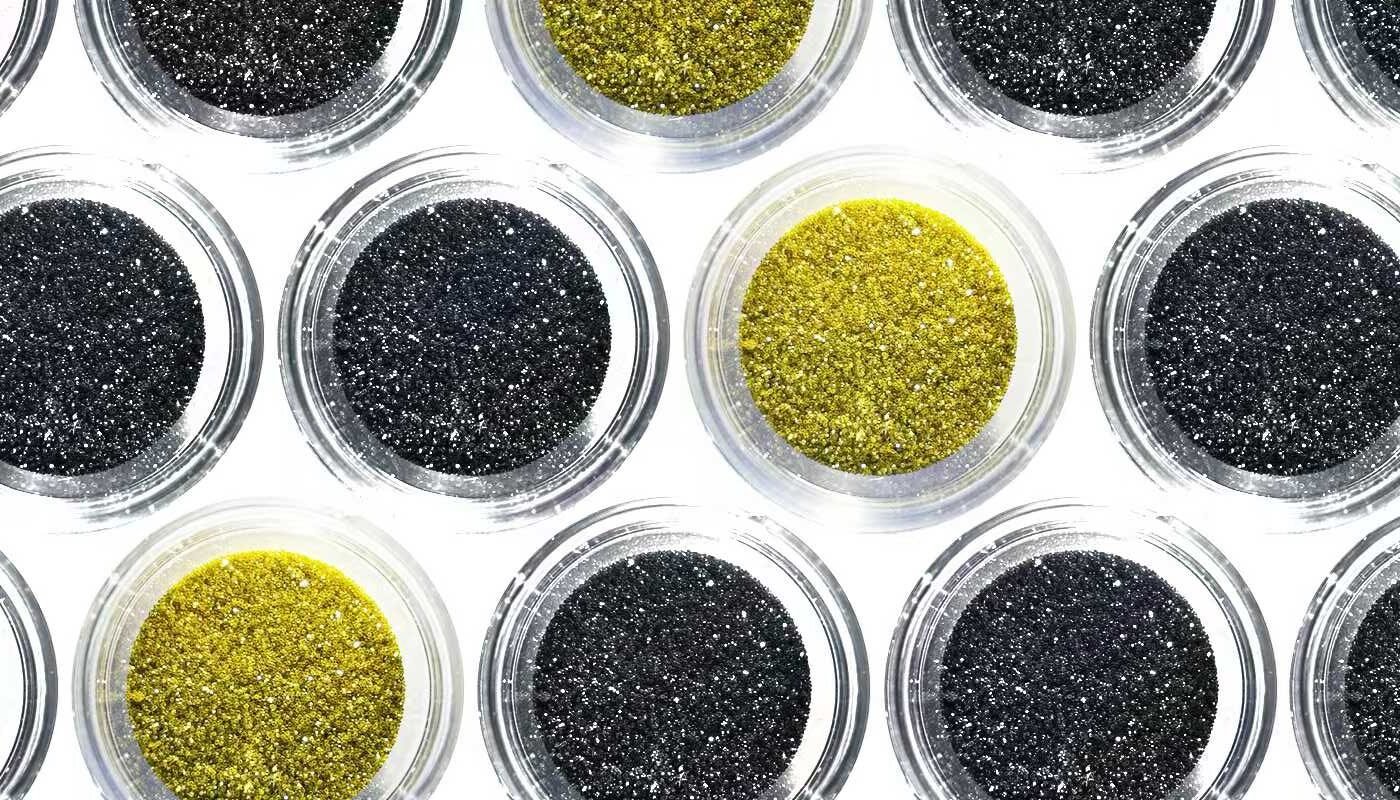
The synthetic diamond industry continues to evolve, with ongoing advances in production capacity, material quality, and manufacturing costs. These developments are expanding the range of industrial applications and making synthetic diamond powder increasingly accessible across manufacturing sectors.
6.1 Production Capacity and Cost Trends
Production costs continue to decline for machinery, equipment, and process consumables, making synthetic diamond powder increasingly cost-effective for industrial applications. As manufacturers scale up production and improve process efficiencies, the cost per carat continues to decrease, broadening the addressable market for diamond abrasives.
6.2 Advanced Polishing Slurries
The future of PCD and nanodiamond powders lies in surface functionalization. By attaching specific chemical groups (carboxyl, hydroxyl, amine) to nanodiamond surfaces, manufacturers can tailor dispersion stability in water, oil, or polymer matrices. Hydrophilic nanodiamonds remain suspended in aqueous slurries for months without settling, enabling consistent performance in semiconductor chemical-mechanical polishing (CMP) processes.
For precision semiconductor applications, manufacturers are developing ultra-premium micron diamond powders with tightly controlled size, shape, and surface properties. These products detect and remove oversized particles at parts-per-billion concentrations, minimizing chipping and scratching during wafer processing and enabling higher production yields.
6.3 Semiconductor and Electronics Applications
The expanding semiconductor and electronics industries are driving demand for high-purity synthetic diamond powders. Synthetic diamond powders are increasingly used in processing hard semiconductor substrates including silicon carbide (SiC), gallium nitride, and gallium arsenide. Specifically engineered diamond powders with consistently blocky crystals and strict size controls are being developed for slicing, dicing, and grinding applications in wafer manufacturing.
Final Note for Buyers and Engineers
If you are looking to source synthetic diamonds for industrial use. The right product depends entirely on your application. Please provide these specifications:
- Particle Size: Specify in microns (e.g., 0–0.5 µm for polishing, 40–50 µm for lapping, 100–200 µm for cutting) or mesh number. For nanodiamond, specify exact mean diameter (e.g., 5 nm, 10 nm).
- Purity Grade:
- Standard (98–99% diamond) – For general grinding, drilling, and sawing.
- High purity (99.9%+) – For electronics, optics, and precision lapping where metallic contamination is unacceptable.
- Crystal Morphology: Blocky (for maximum strength), sharp/irregular (for aggressive cutting), or polycrystalline (for self-sharpening, fine finishing).
- Surface Treatment:
- Nickel or copper plating – Improves retention in metal-bonded grinding wheels.
- Hydrophilic coating – For water-based polishing slurries.
- Untreated – For resin-bonded tools or oil-based slurries.
- Application Usage: Tell us whether you are grinding tungsten carbide, sawing granite, polishing silicon wafers, or machining carbon fiber composites. We can then recommend the optimal type of diamond abrasive.
Conclusion:
Synthetic diamond has evolved from a laboratory curiosity into a mature engineering material that serves industries ranging from construction and mining to electronics and optics. The ability to produce diamond with controlled properties, including size, shape, purity, and crystal structure, enables applications that natural diamond cannot fulfill reliably or economically. As production technologies advance and costs continue to decline, synthetic diamond powders and abrasives are becoming increasingly accessible to manufacturers worldwide. Whether for cutting, grinding, polishing, or precision lapping, synthetic diamond offers consistent performance, predictable quality, and secure supply. For industrial buyers, understanding the relationship between diamond characteristics and application requirements is essential for selecting the right product for the job.
Drafted by: Gareth Bayley
Technical Review & Editing: Ashley Wei