Introduction
Selecting the correct diamond powder for electroplated diamond tools requires matching diamond particle characteristics to the tool design and operating conditions. Unlike conventional bonded diamond tools, electroplated tools typically use a single layer of diamond particles retained by a metal coating[^1], making diamond selection particularly important for cutting performance, abrasive retention and tool life.
This guide explains how to select diamond powder for electroplated diamond tools based on particle size, crystal strength, morphology and particle size distribution in relation to the tool application and plating conditions.
What Are Electroplated Diamond Tools?
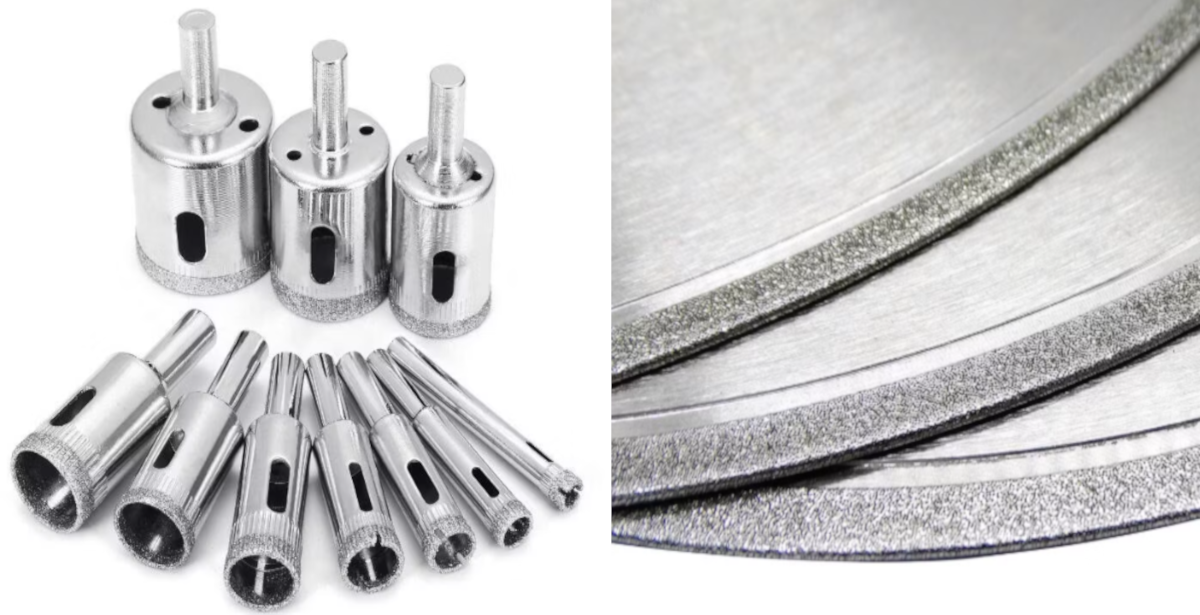
Electroplated diamond tools use a layer of diamond particles mechanically retained on a tool substrate by an electroplated metal coating, typically nickel. The plating layer anchors the diamond particles while leaving a portion of each particle exposed for cutting. Unlike resin, vitrified or metal-bond tools, which contain abrasives distributed throughout the bond matrix, electroplated tools generally have a single abrasive layer with no additional diamond particles available as the tool wears.
For tool manufacturers, this means diamond selection must account for both the mechanical demands of the application and the ability of the electroplated coating to retain the selected particles.
How Does the Electroplated Bond Affect Diamond Powder Selection?
In electroplated diamond tools, the nickel coating must provide sufficient particle retention while maintaining enough abrasive exposure for effective cutting. The balance between particle embedment and protrusion[^2] is therefore an important consideration when selecting diamond powder.
- Plating thickness and particle embedment: Thicker plating generally provides greater particle support but reduces exposed cutting height[^3]. Diamond particle size must be compatible with the intended embedment depth to maintain effective cutting edges.
- Abrasive exposure: Higher particle protrusion can improve cutting clearance but increases mechanical loading on individual particles. Applications requiring greater exposure place higher demands on diamond strength and resistance to fracture.
- Particle retention: Because diamond particles are mechanically held by the nickel coating, retention depends on particle geometry, embedment and plating quality[^4].
The selected diamond grade must be compatible with the tool's retention requirements. Diamond powder selection must therefore account for the intended plating thickness, particle embedment and operating loads rather than considering diamond characteristics independently.
What Diamond Characteristics Matter Most for Electroplated Diamond Tools?
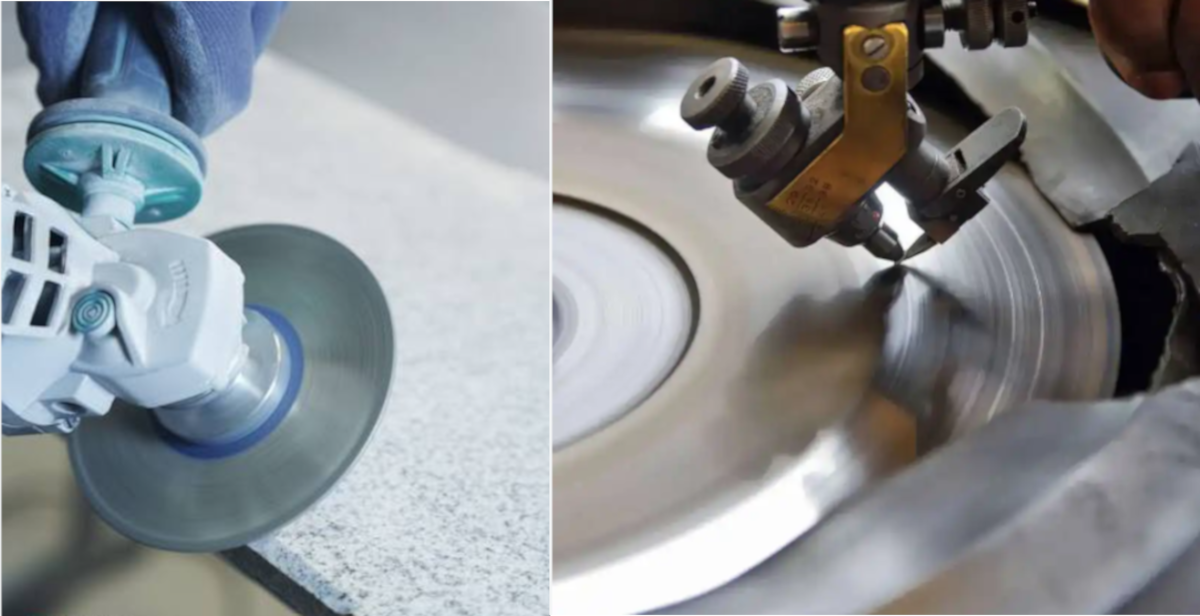
For electroplated diamond tools, the priority is selecting diamond particles that maintain effective cutting edges throughout the intended tool life. Because the abrasive layer is not continuously renewed, premature particle fracture, uneven wear and inconsistent cutting-edge height can directly affect tool performance.
Three characteristics require particular attention when comparing diamond grades.
Crystal Strength and Fracture Resistance
- High-load cutting, grinding and drilling: Prioritize high-strength diamond with good crystal integrity and resistance to catastrophic fracture. Premature grain breakdown can permanently reduce the tool's effective cutting capacity.
- Moderate-load grinding and profiling: Medium-to-high-strength grades may provide sufficient durability without requiring the highest-strength diamond available.
- Fine grinding and finishing: Controlled microfracture may help maintain sharp cutting edges under suitable conditions, but excessive friability can shorten the useful life of the single abrasive layer.
The selection should prioritize resistance to premature particle breakdown while allowing sufficient cutting-edge renewal for the intended application. High friability is generally less desirable where sustained grain integrity is essential.
Particle Size and Particle Size Distribution
Particle size determines the scale of the exposed cutting points, while particle size distribution influences how consistently those cutting points engage the workpiece.
- High material removal: Select coarser mesh diamond grit where larger cutting points and sufficient chip clearance are required. A controlled size distribution helps prevent isolated oversized particles from carrying disproportionate cutting loads.
- Precision grinding and profiling: Select grit sizes appropriate to the required dimensional accuracy and surface finish, with particular attention to limiting oversized particles that may produce deeper scratches or uneven material removal.
- Fine finishing: Select fine diamond grit or micron powder with a closely controlled upper particle-size limit to reduce the risk of isolated deep scratches and achieve more consistent surface refinement.
For electroplated tools, the nominal grit size alone is insufficient. Manufacturers should also evaluate the actual particle size range, particularly the presence of oversized particles and excessive fines, when comparing diamond powder specifications.
Particle Morphology and Cutting-Edge Geometry
Diamond particle morphology influences initial cutting behaviour, the number and shape of exposed cutting edges, and how particles respond to mechanical loading.
- Blocky, well-formed crystals: Consider for tools requiring durable abrasive particles under sustained loading. Their suitability depends on crystal integrity and the cutting-edge geometry required.
- Angular particles with pronounced cutting edges: Consider for grinding or profiling operations where initial cutting sharpness is important. Sharp edges may improve initial cutting action but can be more vulnerable to local fracture under demanding conditions.
- Highly irregular or elongated particles: Evaluate carefully where consistent abrasive protrusion and predictable cutting behaviour are required, particularly in precision tools.
The selection trade-off is between cutting-edge sharpness and resistance to localized fracture. Particle shape alone should not be treated as a reliable indicator of overall diamond strength.
Which Diamond Powder Types Are Suitable for Electroplated Tools?
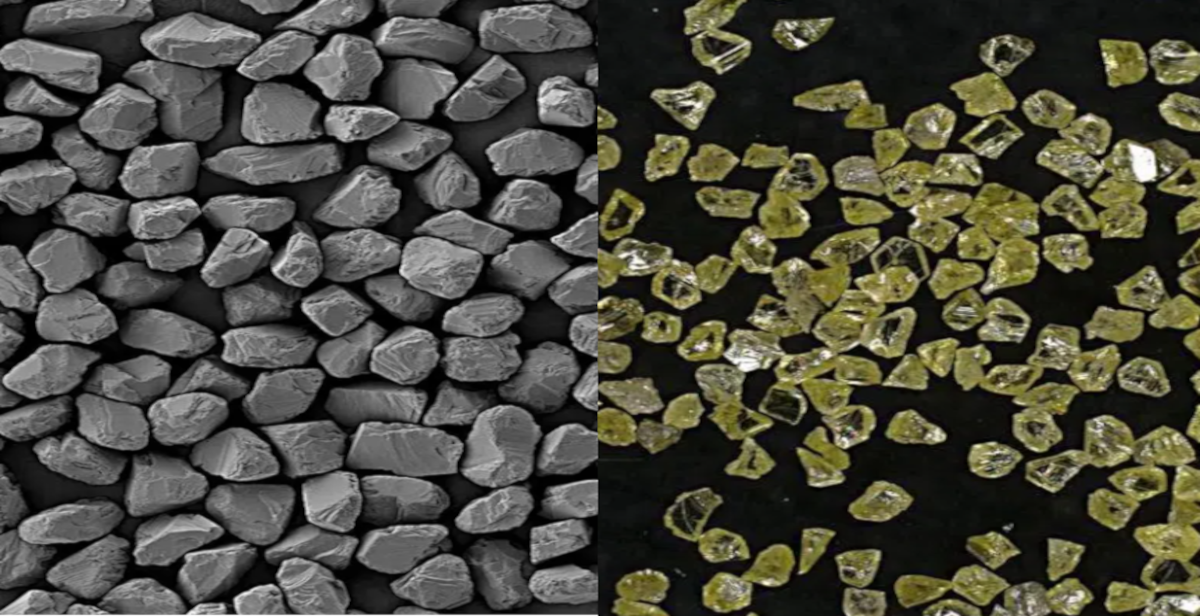
Both monocrystalline and crushed diamond can be used in electroplated tool manufacturing, with grade selection determined by the required cutting performance, abrasive strength and operating conditions.
Monocrystalline Diamond Powder
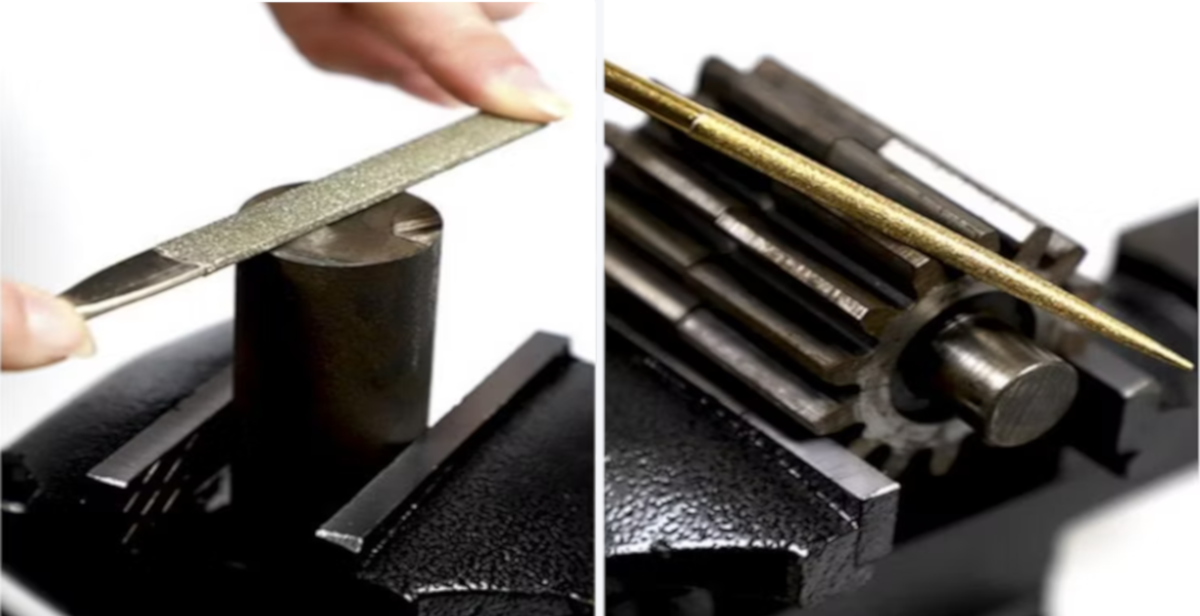
Monocrystalline diamond is suitable for electroplated cutting, grinding, drilling and profiling tools requiring durable cutting edges and resistance to particle fracture. High-strength, well-formed crystals are particularly suitable for applications involving heavy mechanical loads, impact or sustained abrasive contact. Medium-strength grades may be considered for less demanding grinding operations where the highest level of fracture resistance is unnecessary.
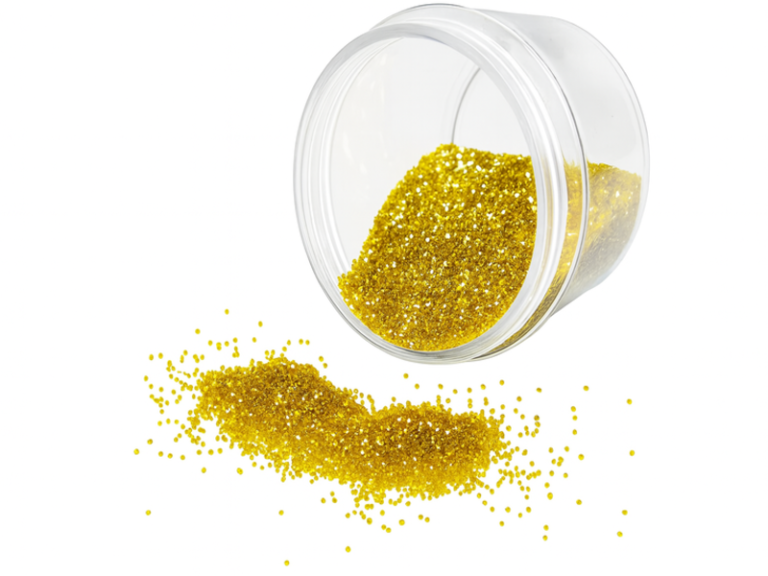
A product such as GCDM30 – Electroplating-Grade Micron Diamond Powder can be considered for electroplated precision & fine-finishing tools as if gives excellent surface finish in precision grinding and polishing applications.
Crushed Diamond Grit
Crushed Diamond can be used in electroplated grinding, shaping and profiling tools. The crushing process produces angular particles with different cutting-edge geometries and fracture characteristics depending on the original diamond material and processing method. Grades with sufficient mechanical strength can be selected for applications where angular cutting edges are required.
Crushed diamond such as GCD30 — Electroplating-Grade Crushed Diamond Grit can be considered for due to its controlled particle characteristics that support consistent grit exposure and stable performance.
When choosing between diamond powders, compare crystal strength, cutting-edge geometry and wear behaviour under the intended operating conditions. Crushed diamond should not be assumed to provide better cutting performance solely because of its angular shape, and highly friable grades may be unsuitable where premature particle breakdown would significantly reduce tool life.
| Diamond Type | Key Advantages | Suitable Electroplated Applications |
|---|---|---|
| Monocrystalline Diamond | High fracture resistance in suitable grades; durable cutting edges; good resistance to sustained mechanical loading. | High-load cutting, drilling, grinding wheels and profiling tools requiring abrasive durability. |
| Crushed Diamond | Angular cutting edges; varied cutting-edge geometries; a range of strength and fracture characteristics to suit different requirements. | Grinding, shaping and profiling tools where angular cutting edges are beneficial. |
When Should Coated Diamond Be Used in Electroplated Tools?
Coated diamond can be considered for selected electroplated tools where improved particle incorporation, interfacial bonding or abrasive retention[^6] is required. Nickel-coated, titanium-coated and selected multilayer-coated diamond abrasives, such as Ni/Ti coatings, may offer advantages in compatible electroplating processes.
Coating selection should account for plating compatibility, coating thickness and diamond exposure. Uncoated diamond remains suitable for many electroplated tools, so coated grades should be evaluated where they offer a measurable performance advantage.
For more information on coating types and selection considerations, refer to our coated diamond powder selection guide.
How to Choose Diamond Powder for Different Electroplated Diamond Tool Applications?
| Application | Typical Diamond Direction | Typical Particle Size | Main Selection Focus |
|---|---|---|---|
| Electroplated grinding wheels | High-strength monocrystalline; selected crushed grades | Approx. 100/120–325/400 mesh; 20–40 µm for fine grinding | Grinding contact area, grain durability, abrasive exposure |
| Electroplated cutting blades | High-strength monocrystalline grit | Approx. 40/50–60/70 mesh for general cutting; 100/120–170/200 mesh for selected fine-cutting designs | Blade thickness, cutting clearance, kerf control, edge chipping |
| Electroplated drills & core bits | High-strength monocrystalline grit | Approx. 40/50–70/80 mesh for coarse drilling; 80/100–140/170 mesh for selected precision drilling | Drill diameter, wall thickness, debris clearance, hole-edge quality |
| Electroplated profiling & form tools | Monocrystalline; selected angular crushed diamond | Approx. 100/120–170/200 mesh for general profiling; 230/270–325/400 mesh for detailed profiles | Profile geometry, localized cutting loads, dimensional accuracy |
| Electroplated precision & fine-finishing tools | Fine monocrystalline diamond grit or micron powder | Approx. 230/270–325/400 mesh for precision grinding; 15–40 µm for fine finishing | Upper particle-size control, surface finish, consistent abrasive protrusion |
Note: Particle sizes are indicative starting ranges, not universal electroplated-tool specifications. Actual selection depends on workpiece material, tool geometry, machining conditions and plating requirements. Mesh and micron specifications should be confirmed against the supplier's grading standard.
Common Problems for Electroplated Tools Diamond Powder
An unsuitable diamond powder specification can affect cutting performance, abrasive wear and the surface quality achieved by electroplated tools.
Common problems associated with diamond powder include:
Premature Diamond Particle Fracture
Diamond particles may fracture or break down prematurely during cutting, grinding or drilling, particularly under high contact loads. Insufficient crystal strength, internal defects or excessive friability can contribute to rapid abrasive deterioration and reduced tool life.
Rapid Diamond Wear and Loss of Cutting Performance
Diamond particles may wear excessively or lose their effective cutting edges during operation, resulting in declining material removal rates and increased cutting forces. The problem can be associated with unsuitable diamond strength, fracture behaviour or insufficient resistance to wear under the intended operating conditions.
Deep Scratches and Inconsistent Surface Finish Oversized diamond particles, excessive variation in particle size or unsuitable cutting-edge geometry can produce isolated deep scratches and inconsistent surface quality. These problems are particularly significant in precision grinding and fine-finishing tools where uniform abrasive cutting action is required.
Excessive Edge Chipping and Workpiece Damage
Diamond particles that are too large for the tool geometry or produce excessive localized cutting forces can contribute to edge chipping, particularly when machining brittle materials such as glass and ceramics[^7]. Particle size, distribution and cutting-edge characteristics should be evaluated against the required workpiece edge quality.
Crownkyn Electroplated Tools Diamond Powder Solutions
Crownkyn supplies synthetic diamond grit and micron powder for electroplated tool manufacturing, offering different grades, particle sizes and crystal characteristics to meet specific cutting, grinding, drilling and finishing requirements.
To recommend a suitable diamond grade, we consider the following information:
- Tool type and application: Grinding wheels, cutting blades, drills, profiling tools or precision finishing tools.
- Workpiece material: Material type, hardness and relevant machining characteristics.
- Diamond specifications: Current diamond type, mesh or micron size, crystal strength and any coating requirements.
- Electroplating requirements: Plating metal, intended abrasive exposure and any specific particle retention requirements.
- Performance targets: Required cutting efficiency, surface finish, tool life and any problems with the current diamond grade.
Contact us to discuss your electroplated tool application and diamond powder requirements. We can support grade comparison, sample testing and diamond specification adjustments.
Frequently Asked Questions About Diamond Powder for Electroplated Tools
Can diamond powder intended for resin-bond tools also be used in electroplated tools?
Some diamond grades can be used in both systems, but they are not necessarily interchangeable. Resin-bond grades may have greater friability than is desirable for single-layer electroplated tools. Crystal strength, fracture behaviour and morphology should be evaluated before selecting a grade for electroplating.
What is the difference between diamond grit and diamond micron powder for electroplated tools?
Diamond grit is typically selected for electroplated cutting, grinding, drilling and profiling tools requiring larger exposed abrasive particles. Diamond micron powder is used for fine-grit electroplated tools where smaller cutting points and closer control of surface finish are required.
How should I select a diamond powder grade for electroplated tools?
Consider the base diamond type, crystal strength, particle size, particle size distribution and morphology in relation to the tool application, workpiece material and operating loads. The selected grade should also be compatible with the electroplating process and required abrasive exposure. Comparative testing under the intended application conditions can help verify grade suitability.
Can electroplated diamond grinding wheels be dressed?
Electroplated diamond grinding wheels typically contain a single working layer of abrasive particles. Unlike multilayer bonded grinding wheels, they cannot be dressed repeatedly to expose new diamond particles beneath the working surface.
Limited truing or conditioning may be possible depending on the tool design, but excessive dressing can damage or remove the abrasive layer and reduce tool life.
References
[1] Material removal modeling and life expectancy of single layer - Iowa State University. Supports: Electroplated diamond tools typically use a single layer of diamond particles retained by a metal coating.
[2] Research Progress on Additively Manufactured Diamond Tools - PMC. Supports: In electroplated diamond tools, particle embedment and protrusion must be balanced to retain grains while leaving them exposed for cutting.
[3] A Study on the Cutting Characteristics of Bottom Abrasive - PMC. Supports: Thicker plating generally increases support of diamond particles but reduces the exposed cutting height.
[4] Texturing Methods of Abrasive Grinding Wheels - PMC. Supports: Diamond particle retention in electroplated tools depends on particle geometry, embedment and plating quality.
[5] Experimental research on wear mechanism of diamond - Science Direct. Supports: Crystal strength is especially important for electroplated tools used under high loads, interrupted cutting or repeated impact.
[6] Enhanced wear resistance of CuSn19Ti10/Ni-coated - Science Direct. Supports: Coated diamond may improve particle incorporation, interfacial bonding or abrasive retention in selected electroplated tools.
[7] Micromechanics of Machining and Wear in Hard and Brittle Materials - PMC. Supports: Oversized or highly loaded diamond particles can contribute to edge chipping when machining brittle materials such as glass and ceramics.
Drafted by: Gareth Bayley
Technical Review & Editing: Ashley Wei