Introduction
Silicon carbide is used in applications where high hardness, wear resistance and thermal stability[^1] are essential. However, achieving the required dimensional accuracy and surface finish can be challenging[^2], particularly when processing precision ceramic components and semiconductor substrates. Diamond abrasives play an important role in these operations, where the choice of abrasive directly affects machining efficiency and finished surface quality.
This guide examines how to select diamond powder for silicon carbide processing across a range of applications.
What Makes Silicon Carbide Challenging to Process?
Silicon carbide is difficult to process because of its high hardness, wear resistance and brittleness. These properties make material removal challenging, particularly when tight dimensional tolerances and precise surface finishes are required. Grinding, lapping and polishing are essential for shaping components and refining their surfaces, but abrasive processing can also produce scratches, microcracks, edge chipping and subsurface damage[^3]. Some damage extends beneath the visible surface[^4], affecting component integrity even when the surface appears smooth.
Silicon carbide's material structure also influences processing performance. Sintered silicon carbide consists primarily of silicon carbide, while reaction-bonded silicon carbide contains residual free silicon alongside the silicon carbide phase[^5]. Differences in the mechanical properties of these phases can lead to uneven material removal and variations in surface topography[^6]. Consequently, abrasive selection must account for the silicon carbide material, the processing stage and the required surface finish.
How to Select Diamond Abrasives for Silicon Carbide Ceramics?
Diamond abrasive selection for silicon carbide ceramics depends on the material structure, the amount of material to be removed and the required surface finish. The grade must maintain cutting efficiency during material removal while limiting the damage that subsequent processing must eliminate.
Rough Grinding
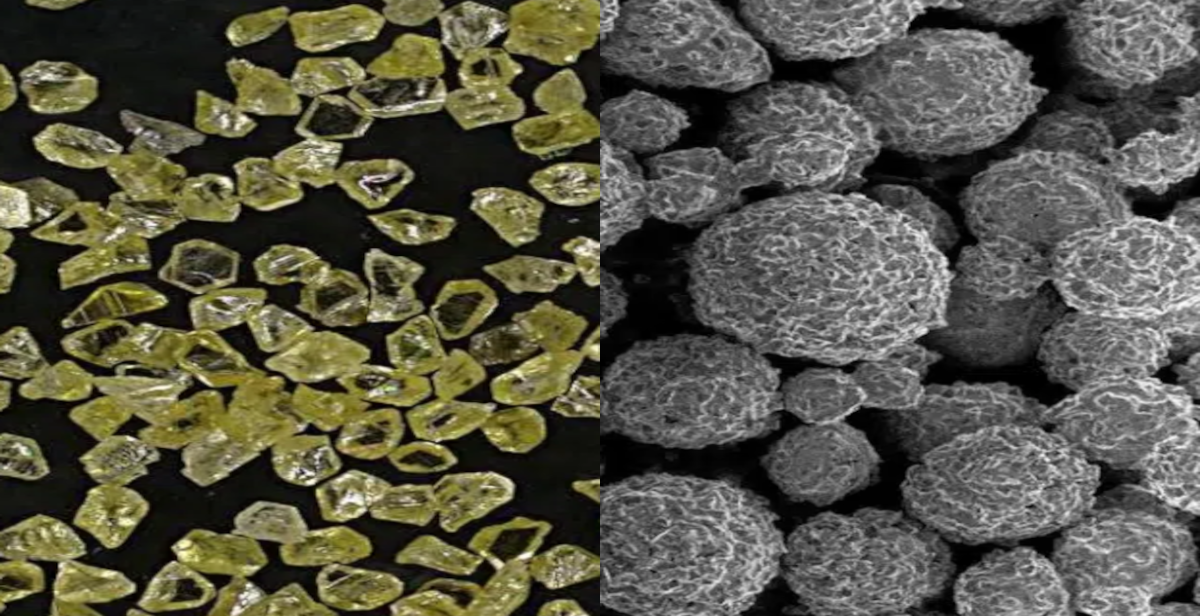
For initial shaping and higher material removal, select relatively strong monocrystalline diamond with a blocky, well-developed morphology[^7] to support cutting efficiency and grain durability. Coarser diamond grit is generally selected when higher stock removal is required[^8], while crystal strength and fracture behaviour influence how long the abrasive remains effective under grinding loads.
Crushed diamond grit, with its irregular, angular particles, can provide aggressive cutting action and is suitable where high material removal is required. Diamond strength should be matched to the grinding conditions so that the abrasive does not break down prematurely.
Lapping
Select diamond micron powder according to the remaining machining allowance. Relatively strong monocrystalline diamond with a blocky morphology can be considered for higher-removal stages, Particle size and PSD should be selected according to improve dimensional accuracy and reduce excessive surface damage as oversized particles can produce deep scratches[^9] that require additional material removal.
Polishing:
Particle size and PSD should be considered together when selecting the polishing abrasive. Where noticeable grinding marks remain and material removal is still important, a relatively coarser micron diamond can be selected. As the required surface roughness decreases, finer diamond sizes should be used. A controlled PSD helps maintain consistent abrasive action and predictable surface refinement. For polishing processes requiring controlled abrasive distribution, diamond slurry or paste can be used to deliver the selected micron diamond.
For reaction-bonded silicon carbide, residual silicon alongside the silicon carbide phase can affect material removal and surface uniformity. Abrasive selection should account for this difference rather than assuming that a grade producing consistent results on sintered silicon carbide will perform identically on reaction-bonded material.
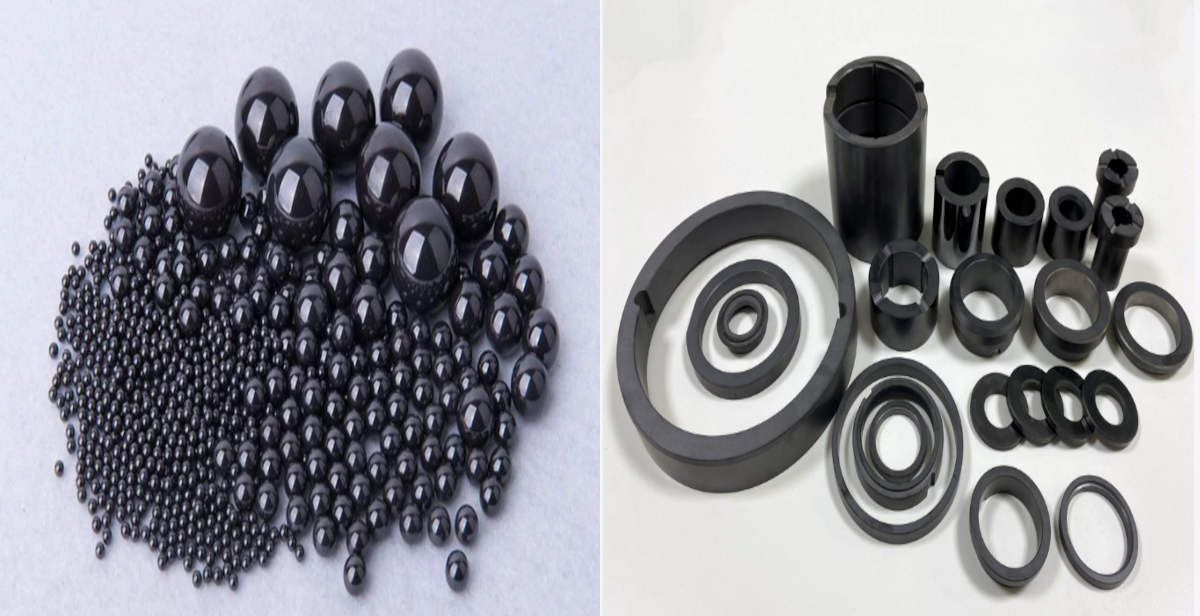
How to Select Diamond Abrasives for Silicon Carbide Precision Components?
For precision silicon carbide components, the primary selection requirement is control over dimensional accuracy, flatness, edge integrity and surface finish. Diamond abrasive specifications must support the required material removal without leaving scratches or subsurface damage that demand excessive correction during later stages.
-
Precision Grinding: Select diamond grit according to the machining allowance and the dimensional correction required. A mid range mesh grit provides a starting point for finish grinding, while finer mesh girts can be considered for finer grinding requirements. Diamond strength must suit the applied load, and the grade must maintain effective cutting edges without excessive fracture or wear.
-
Lapping for Dimensional Control: Where lapping must correct flatness or remove residual grinding damage, select diamond micron powder according to the amount of material that needs to be removed. A slightly coarse powder suits higher-removal stages, while moving through finer powders supports subsequent refinement. A consistent particle size distribution helps prevent isolated deep scratches that can compromise dimensional accuracy.
-
Polishing for Surface Finish: Select a fine diamond micron powder for final surface refinement, with very fine powders available for evaluation when a finer finish is required. Control PSD and prevent contamination by larger particles. Moving directly to a very fine powder will not efficiently remove deep scratches or subsurface damage left by an earlier stage. For polishing processes requiring controlled abrasive distribution, diamond slurry or diamond paste can be used to deliver the diamond abrasive.
The key distinction for precision components is the relationship between abrasive removal and dimensional tolerance. The selected grade and particle size must allow each stage to remove the necessary material while preserving the component geometry and limiting the amount of corrective finishing required.
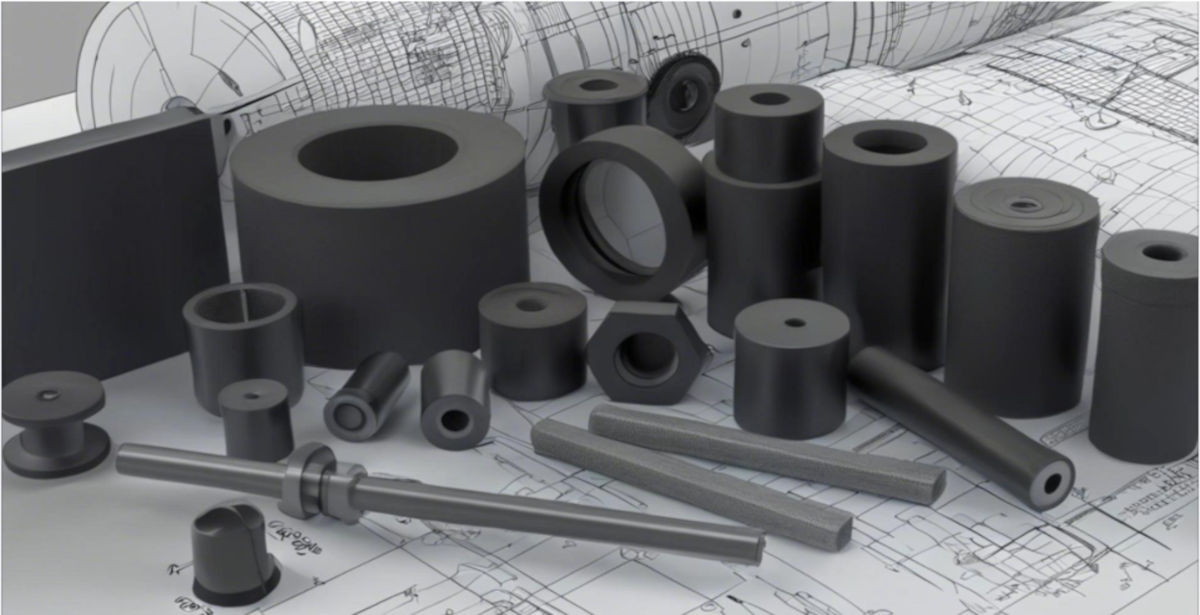
How to Select Diamond Abrasives for Silicon Carbide Semiconductor Substrates?
Silicon carbide semiconductor substrates require abrasive selection that supports wafer material removal, damage reduction and the surface condition required by subsequent polishing. The requirements differ between wafer grinding, intermediate lapping and mechanical polishing.
- Wafer Grinding: Select diamond abrasive strength and morphology to withstand grinding loads while maintaining cutting efficiency. The mid size micron diamond powders provide a starting range for material removal. Finer particles reduce individual cutting depths but can also reduce the removal rate[^10]. The appropriate grade depends on the wafer material, machining allowance and acceptable subsurface damage.
- Lapping and Intermediate Refinement: Diamond micron powder supports subsequent surface refinement. Control particle size distribution to limit isolated deep scratches that could require additional material removal.
- Mechanical Polishing: Select finer diamond micron powder according to the surface condition left by lapping and the required finish. Fine micron diamond powder provides a starting range for mechanical refinement. Controlled particle size distribution and effective dispersion help limit scratches caused by oversized particles or agglomeration.
- Final Chemical Mechanical Polishing (CMP): Do not automatically specify diamond powder for final CMP. The abrasive must match the qualified polishing process and slurry chemistry. Silica and other specified abrasives can be used for final SiC wafer polishing, so the appropriate selection depends on the established process requirements.
For semiconductor substrates, abrasive selection must account for the complete processing sequence. A grade that achieves high removal during grinding is not necessarily suitable for intermediate refinement, and a finer diamond powder cannot by itself guarantee the removal of existing subsurface damage.
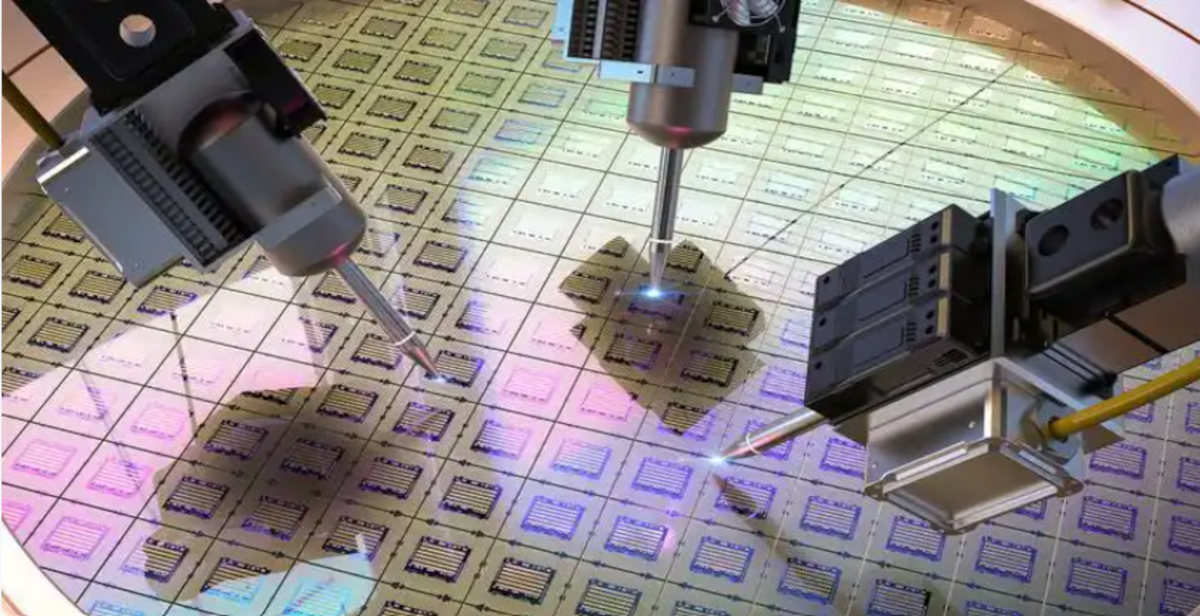
Quick Selection of Diamond Abrasive by Silicon Carbide Application
| Silicon carbide application | Processing stage | Diamond Abrasive Type | Particle size selection | Main selection objective |
|---|---|---|---|---|
| Ceramic components | Grinding | Mesh grit | 60/70–120/140 mesh for rough grinding; 170/200–325/400 mesh for finish grinding | Stock removal, cutting efficiency and control of grinding damage |
| Ceramic components | Lapping and polishing | Micron powder | Lapping: 6–15 μm for higher removal, followed by 3–6 μm for refinement. Polishing: 1–3 μm, or 0.5–1 μm for finer finishes | Material removal, scratch reduction and surface finish |
| Precision components | Grinding | Mesh grit | 170/200–325/400 mesh for finish grinding; 270/325–400/500 mesh for finer grinding requirements | Dimensional accuracy and reduced residual grinding damage |
| Precision components | Lapping and polishing | Micron powder | Lapping: 6–15 μm for higher removal, followed by 3–6 μm for refinement. Polishing: 1–3 μm, or 0.5–1 μm for finer finishes | Flatness, dimensional control and surface finish |
| Semiconductor substrates | Wafer grinding | Micron powder | 6–12 μm starting range for material removal | Wafer thinning, material removal and subsurface damage control |
| Semiconductor substrates | Lapping and polishing | Micron powder | Lapping and intermediate refinement: 3–6 μm. Mechanical polishing: 1–3 μm | Surface refinement, scratch control and preparation for subsequent polishing |
Note The listed particle sizes are starting points for selection, not universal process specifications. Mesh grit and micron powder are distinct product forms. Final chemical mechanical polishing (CMP) abrasive selection must follow the qualified wafer-processing procedure and slurry requirements.
Common Problems in Silicon Carbide Processing
Silicon carbide grinding, lapping and polishing problems are often related to a mismatch between the diamond abrasive specification and the requirements of the processing stage. Common issues include low material removal rates, scratches and inconsistent surface finish, edge chipping, and subsurface damage.
Low Material Removal Rate
Diamond grit or micron powder may produce insufficient material removal when the particle size is too small for the required stock removal or when the diamond grade lacks sufficient cutting activity for the processing conditions. Unsuitable crystal morphology or excessive abrasive wear can also reduce cutting efficiency and increase processing time.
Scratches and Inconsistent Surface Finish
Scratches and variations in surface finish can result from an uncontrolled particle size distribution, oversized particles or abrasive agglomeration. Differences in diamond morphology and grade characteristics can also affect cutting behaviour and surface uniformity. Selecting diamond powder with a controlled PSD and maintaining effective dispersion are important for achieving consistent results.
Edge Chipping
Edge chipping can occur when abrasive grains generate excessive local stress at vulnerable edges or when the abrasive specification is too aggressive for the finishing stage. Diamond particle size, morphology and strength influence abrasive interaction with the silicon carbide surface. Processing loads, component geometry and workpiece support must also be considered when selecting a suitable grade.
Subsurface Damage
Subsurface damage can develop during grinding and lapping when abrasive grains generate microcracks beneath the silicon carbide surface. Larger particles and aggressive cutting conditions can increase the depth of individual abrasive cuts. Subsequent processing must remove sufficient material to eliminate the damage left by earlier stages, as a smooth-looking surface does not necessarily indicate that subsurface cracks have been removed.
Crownkyn Diamond Abrasive Solutions for Silicon Carbide Processing
Crownkyn supplies synthetic diamond grit and micron powder for silicon carbide grinding, lapping and polishing. Abrasive recommendations are based on the silicon carbide material, processing stage, required material removal rate and target surface finish.
To recommend a suitable diamond abrasive specification, please provide the following information:
- Silicon carbide material: Sintered or reaction-bonded silicon carbide, if known.
- Application and processing stage: Ceramic components, precision components or semiconductor substrates; grinding, lapping or polishing.
- Current abrasive specification: Diamond type, particle size, grade and particle size distribution, if available.
- Target performance: Required material removal rate, surface roughness, dimensional tolerance or flatness.
- Processing conditions: Abrasive concentration, equipment, applied pressure, operating speed and coolant or slurry conditions, where applicable.
Based on this information, Crownkyn can recommend suitable diamond abrasive grades for your processing requirements.
Frequently Asked Questions About Diamond Abrasives for Silicon Carbide
Which diamond abrasive is suitable for silicon carbide grinding?
Select diamond grit with sufficient strength and suitable morphology to maintain cutting efficiency under the grinding load. Particle size should match the required material removal rate and the amount of grinding damage that the following stage must remove.
Should I use monocrystalline or polycrystalline diamond for silicon carbide polishing?
The choice depends on the required balance between material removal and surface finish. Monocrystalline and polycrystalline diamond have different crystal structures and fracture behaviours, which affect cutting performance and abrasive renewal. Test the grade against the required removal rate, scratch control and surface quality.
What diamond particle size should I use for silicon carbide lapping and polishing?
For lapping, select diamond micron powder according to the remaining machining allowance and surface damage. Larger particles support higher material removal, while smaller particles support surface refinement. For polishing, select a finer powder based on the scratches remaining after lapping and the required final surface finish. Particle size distribution must also be controlled to prevent isolated deep scratches.
Why does diamond powder produce scratches when polishing silicon carbide?
Scratches can result from oversized particles, particle agglomeration, contamination or damage carried over from the preceding processing stage. Check the powder's particle size distribution, slurry dispersion and cleanliness of the polishing system. If scratches originate from deeper grinding damage, a finer polishing powder alone will not remove them efficiently.
Does reaction-bonded silicon carbide require a different diamond abrasive grade from sintered silicon carbide?
Not necessarily, but the material structure must be considered. Reaction-bonded silicon carbide contains residual silicon, which can respond differently to abrasion than the silicon carbide phase. This can affect material removal and surface uniformity. Select and validate the abrasive grade against the actual material and required finish rather than assuming the same specification will produce identical results on both materials.
References
[1] Mechanical Properties of Silicon Carbide (SiC) Thin Films - University of South Florida. Supports: Silicon carbide is used in applications where high hardness, wear resistance and thermal stability are essential.
[2] Evaluation and Modeling of the Effect of Tool Edge Radius - Utah State University. Supports: Achieving required dimensional accuracy and surface finish in silicon carbide processing can be challenging.
[3] Subsurface Damage (SSD) Assessment in Ground Silicon - University of Rochester. Supports: Abrasive processing of silicon carbide can produce scratches, microcracks, edge chipping, and subsurface damage.
[4] Investigating Surface Morphology and Subsurface Damage - PMC. Supports: Processing damage in silicon carbide can extend beneath the visible surface and affect component integrity.
[5] JOINING OF SILICON CARBIDE-BASED CERAMICS - NASA. Supports: Reaction-bonded silicon carbide contains residual free silicon in addition to the silicon carbide phase.
[6] Atomic Insight into the Nano-Grinding Mechanism - PMC. Supports: Mechanical-property differences between phases in reaction-bonded silicon carbide can lead to uneven material removal and surface topography variation.
[7] Material Removal Mechanism of SiC Ceramic - PMC. Supports: For rough grinding silicon carbide, strong monocrystalline diamond with blocky morphology can support cutting efficiency and grain durability.
[8] Coarser diamond grit is generally chosen for higher stock removal - NASA. Supports: Coarser diamond grit is generally chosen for higher stock removal in abrasive processing.
[9] Study on the Influence of the Ball Material on Abrasive - PMC. Supports: Oversized particles in diamond micron powder can produce deep scratches that require additional material removal.
[10] Lecture 13: Glass Finishing (Grinding & Polishing) - Lehigh University. Supports: In SiC wafer grinding, finer abrasive particles reduce individual cutting depths but may reduce removal rate.
Drafted by: Gareth Bayley
Technical Review & Editing: Ashley Wei