Introduction
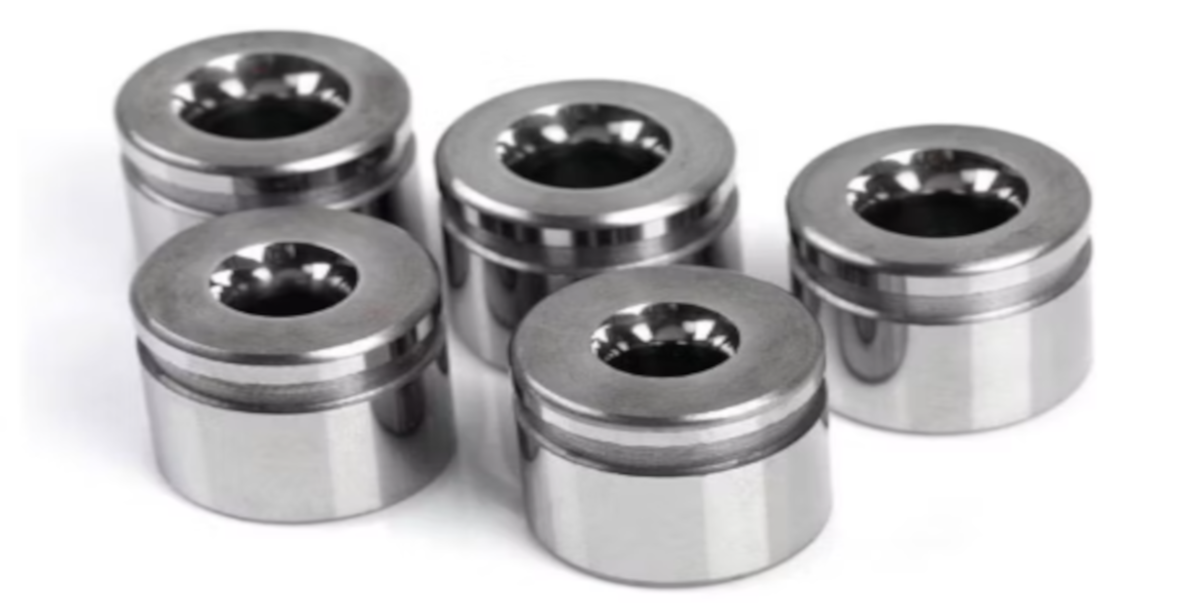
Tungsten carbide is an extremely hard, wear-resistant material commonly used in cemented carbide dies, where tungsten carbide particles are bonded with a metallic binder, typically cobalt. Its hardness and abrasion resistance make die polishing highly dependent on the abrasive type, particle size, crystal strength, and morphology.
Synthetic diamond powder is used for progressive surface refinement and precision polishing of tungsten carbide dies, but the appropriate diamond specification can change according to the initial surface condition, processing stage and required surface finish. This guide explains how to select diamond powder grades, types, sizes and abrasive forms.
Why Are Diamond Abrasives Used for Tungsten Carbide Die Polishing?
Tungsten carbide's high hardness and wear resistance make it difficult for conventional abrasives to maintain effective cutting and polishing action[^1] without experiencing rapid abrasive wear.
Diamond powder provides the hardness, cutting ability and wear resistance required to abrade tungsten carbide dies, remove machining marks and achieve controlled material removal.
Diamond powder also maintains the abrasive performance needed to polish tungsten carbide dies to tight dimensional tolerances and demanding surface finish requirements.
What Tungsten Carbide Die Polishing Requirements Affect Diamond Powder Selection?
Diamond powder selection should begin with the tungsten carbide die's material characteristics, initial surface condition and required finishing results. These factors determine the polishing requirements before selecting the appropriate diamond grade and particle size.
The main requirements to consider are:
- Tungsten carbide grade and binder content: Carbide grain size, cobalt binder content and material hardness influence the material's response to polishing[^2]. Differences in carbide composition can affect removal rates, surface uniformity and the risk of selective binder removal[^3].
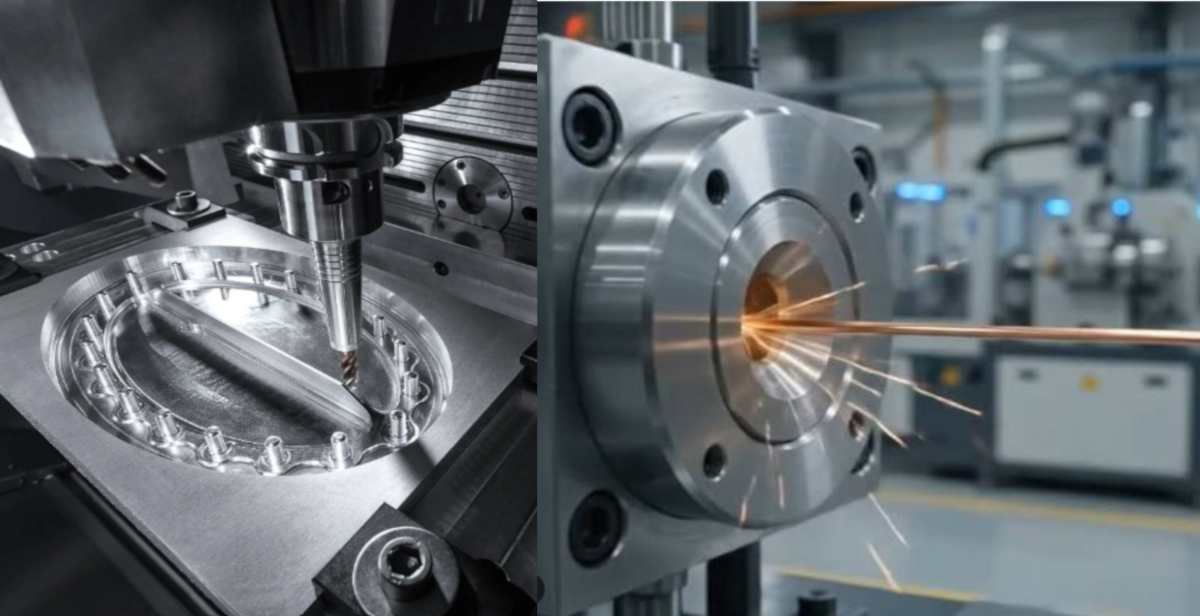
- Initial surface condition: The depth of grinding marks, EDM-related surface damage[^4] and other machining irregularities determines the amount of material that must be removed. Deeper surface damage may require an initial polishing stage before finer abrasives can be introduced.
- Die geometry and dimensional tolerances: Internal bore diameter, reduction angle, bearing length and other die features influence abrasive contact and polishing accessibility[^5]. The process must remove surface irregularities without altering critical dimensions or die geometry.
- Required surface finish: Target surface roughness and allowable surface defects determine the level of refinement needed. Dies requiring very low surface roughness generally need a more controlled progression through polishing stages.
- Polishing method and operating conditions: Manual polishing, mechanical polishing and abrasive flow polishing differ in abrasive contact, pressure, movement and delivery[^6]. These conditions influence removal efficiency and surface consistency.
These requirements establish the basis for selecting diamond powder characteristics, including crystal type, particle size and particle size distribution, which are reviewed in the following section.
How to Select Diamond Powder for Different Tungsten Carbide Die Polishing Stages?
Diamond powder selection for tungsten carbide die polishing depends on the amount of material to be removed, the initial surface condition and the required final finish. Each polishing stage requires a different balance between cutting efficiency, abrasive strength, particle size and surface refinement.
Initial Polishing and Surface Refinement
Initial polishing focuses on removing grinding marks, machining damage and surface irregularities while maintaining the required die geometry.
- Particle size: Approximately 25–45 µm for coarse surface refinement, depending on the initial surface condition and remaining machining allowance. Consistent particle sizing helps maintain predictable cutting action and control scratch depth.
- Diamond characteristics: Select high-strength diamond with good fracture resistance and angular cutting edges to maintain material removal efficiency. More friable grades may be evaluated where abrasive dulling reduces cutting performance.
For dies requiring only minor surface refinement, a finer powder starting size may reduce unnecessary material removal and shorten subsequent polishing stages.
Intermediate Polishing
Intermediate polishing removes scratches from the initial stage and prepares the die surface for precision finishing.
- Particle size: Approximately 6–14 µm, depending on the depth of scratches remaining from initial polishing. A controlled particle size distribution with limited oversized particles helps prevent deeper scratches[^7] that would require additional finishing.
- Diamond characteristics: Select medium-to-high-strength diamond with controlled friability to balance cutting efficiency and abrasive renewal. Consistent particle morphology helps maintain uniform cutting behaviour.
The previous polishing marks should be sufficiently removed before proceeding to finer diamond sizes.
Fine and Final Polishing
Fine and final polishing aim to achieve the required surface roughness while preserving the die's dimensional accuracy and working surface geometry.
- Particle size: Approximately 1–3 µm for fine polishing, with 0.25–1 µm grades considered where additional surface refinement is required. Tight particle size distribution and minimal oversized particles are particularly important for preventing isolated scratches.
- Diamond characteristics: Prioritise consistent particle morphology and controlled abrasive behaviour rather than maximum crystal strength. The selected grade should provide uniform surface refinement without aggressive cutting or excessive particle fracture.
Further reductions in particle size should be based on measurable improvements in surface finish rather than automatically selecting the finest available diamond powder.
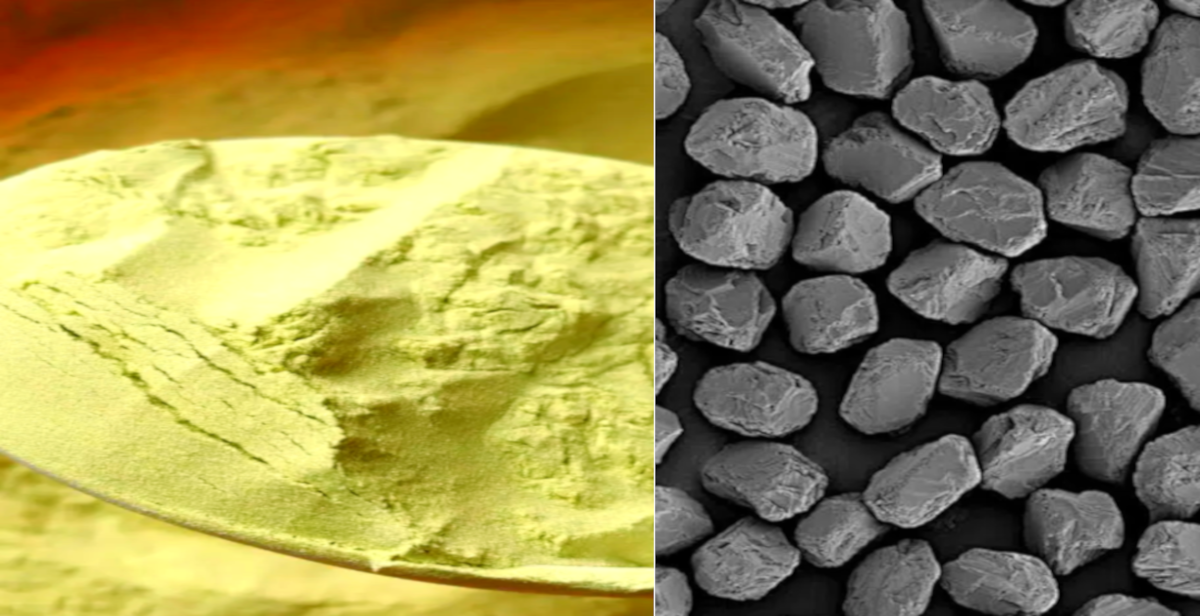
Diamond Powder Quick Selection by Polishing Stage
| Polishing Stage | Recommended Diamond Characteristics | Typical Particle Size | Main Selection Focus |
|---|---|---|---|
| Initial polishing and surface refinement | High-strength diamond with good fracture resistance and angular cutting edges | 25–45 µm | Grinding-mark removal and resistance to premature fracture |
| Intermediate polishing | Medium-to-high-strength diamond with controlled friability and consistent particle morphology | 6–14 µm | Controlled cutting, abrasive wear and scratch reduction |
| Fine polishing | Diamond with consistent particle morphology, controlled friability and narrow particle size distribution | 1–3 µm | Uniform surface refinement and scratch control |
| Final precision polishing | Finely graded diamond with tight PSD, minimal oversized particles and consistent particle morphology | 0.25–1 µm | Low surface roughness and prevention of isolated deep scratches |
NOTE: These particle-size ranges are approximate selection starting points rather than fixed specifications. The polishing sequence should be adjusted according to the tungsten carbide grade, initial surface condition, die geometry and required surface finish.
How Do Monocrystalline and Polycrystalline Diamond Powders Differ in Tungsten Carbide Die Polishing?
The choice between monocrystalline and polycrystalline diamond powder should depend on the required material removal rate, polishing method and target surface finish.
- Monocrystalline diamond micron powder: Choose as a starting point for conventional tungsten carbide die bore polishing, particularly when controlled material removal, a consistent scratch pattern and dimensional accuracy are priorities.
- Polycrystalline diamond micron powder: Consider when the current abrasive produces insufficient material removal or excessive polishing time. Its multiple cutting points can improve polishing efficiency and, under suitable conditions, achieve a fine surface finish.
Research comparing both diamond types on tungsten carbide has demonstrated that polycrystalline diamond can achieve higher removal rates and improved surface finish under specific polishing conditions[^8].
Start with the diamond type suited to the existing polishing method, then compare removal rate, surface roughness and die geometry when evaluating an alternative. Neither type should be selected solely on the assumption that one always produces a finer finish.
For further information read our guide on monocrystalline-vs-polycrystalline-diamond-powder.
Should You Use Diamond Powder, Slurry or Paste for Tungsten Carbide Die Polishing?
Diamond powder, slurry and paste can all be used for tungsten carbide die polishing, but their suitability depends on the polishing method and how the abrasive is applied. Loose diamond powder allows customised abrasive preparation, while prepared slurries and pastes offer different levels of abrasive flow, retention and control during polishing.
-
Micron diamond powder: Choose when preparing customised polishing compounds for tungsten carbide dies. Loose powder allows adjustment of diamond concentration, particle size and carrier formulation according to the die dimensions, carbide grade and polishing stage.
-
Diamond slurry: Choose for mechanical die polishing processes requiring controlled liquid abrasive delivery. A properly dispersed slurry supports consistent abrasive distribution and material removal on internal die surfaces.
-
Diamond paste: Choose for manual or tool-assisted polishing of tungsten carbide die bores, particularly when using shaped laps, polishing needles or other specialised polishing tools. Its thicker consistency helps retain abrasives at the contact area, allowing controlled polishing of reduction zones and bearing surfaces.
For tungsten carbide dies, select the abrasive form according to how the polishing tool contacts the internal die surfaces and how the diamond abrasive is delivered. The diamond grade, particle size and concentration should then be adjusted to achieve the required surface finish without excessive removal of carbide material.
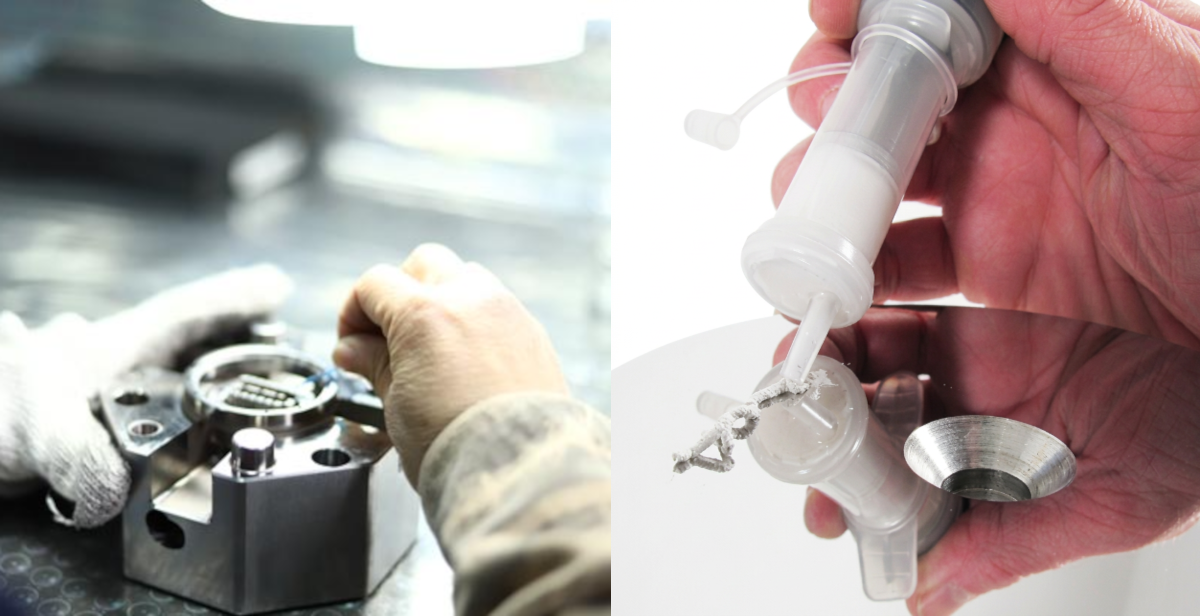
Common Problems in Tungsten Carbide Die Polishing
Poor polishing results can arise from unsuitable diamond powder specifications, abrasive contamination or incorrect polishing conditions. Identifying the cause helps determine whether adjustments to diamond grade, particle size or the polishing process are required.
Deep Scratches After Polishing
Oversized diamond particles, abrasive contamination, particle agglomeration or scratches remaining from previous polishing stages can cause deep scratches on tungsten carbide die surfaces.
Low Material Removal Efficiency
Diamond particles that are too fine for the initial surface condition, abrasive dulling or insufficient abrasive concentration can reduce polishing efficiency.
Uneven Surface Finish or Pitting
Differences in the removal behaviour of tungsten carbide grains and cobalt binder, excessive polishing pressure or unsuitable abrasive cutting characteristics can contribute to surface irregularities and pitting.
Die Geometry or Dimensional Changes
Excessive material removal, overly coarse diamond particles or uneven abrasive contact can alter critical die dimensions, including bore diameter, bearing length and reduction geometry.
Crownkyn Diamond Powder Solutions for Tungsten Carbide Die Polishing
Crownkyn supplies synthetic diamond micron powder for tungsten carbide die polishing, with different particle sizes, crystal characteristics and particle size distributions to meet specific polishing requirements.
To help us recommend a suitable diamond powder specification, please provide the following information:
- Polishing process stage: pre-polishing, intermediate or fine polishing
- Target performance: Required surface roughness, material removal efficiency and dimensional tolerances.
- Current diamond powder specification: If available.
- Current polishing challenges: Scratches, low removal efficiency, surface pitting or dimensional changes.
- Processing conditions: Abrasive concentration, polishing equipment, pressure and carrier or lubricant system.
- Tungsten carbide grade: If available.
- Die type and geometry: If available.
Based on these requirements, we can recommend diamond powder specifications for evaluation. Sample testing under actual polishing conditions can help confirm the appropriate grade before production use.
Frequently Asked Questions About Diamond Powder for Tungsten Carbide Die Polishing
Can Diamond Powder Be Used to Re-polish Worn Tungsten Carbide Dies?
Yes. Synthetic diamond powder can be used to restore worn tungsten carbide die surfaces where damage can be removed without exceeding dimensional tolerances. Select the starting diamond micron size according to the depth of surface wear and remaining material allowance, then progressively reduce particle size to achieve the required finish.
How Does the Cobalt Binder in Tungsten Carbide Affect Diamond Powder Selection?
The cobalt binder is softer than tungsten carbide grains, creating differences in material removal behaviour during diamond polishing. Aggressive diamond grades or oversized particles can contribute to uneven surface removal. Select diamond powder with controlled cutting characteristics and particle size distribution, particularly during fine polishing, to reduce the risk of binder-related surface irregularities and pitting.
How Can Diamond Powder Selection Help Prevent Orange Peel or Surface Waviness During Tungsten Carbide Die Polishing?
Orange-peel-like surface texture and waviness can result from uneven material removal, excessive polishing pressure or unsuitable abrasive progression. Select diamond powder with consistent particle morphology and controlled particle size distribution to support uniform surface refinement. Avoid excessively coarse or aggressive grades during final polishing, and verify that earlier machining marks have been removed before progressing to finer diamond sizes.
How Does Diamond Concentration Affect Tungsten Carbide Die Polishing?
Diamond concentration affects the number of abrasive particles participating in material removal. Insufficient concentration can reduce polishing efficiency, while excessive concentration can increase abrasive consumption and interfere with consistent abrasive contact. The appropriate concentration should be matched to the diamond particle size, polishing method and required surface finish.
Should Oil-Based or Water-Based Diamond Compounds Be Used for Tungsten Carbide Die Polishing?
Oil-based diamond compounds provide lubrication and help retain diamond particles on polishing tools, making them suitable for manual and tool-assisted die bore polishing. Water-based diamond compounds can be selected for mechanical polishing processes requiring liquid abrasive delivery and easier cleaning. Diamond dispersion stability and compatibility with the polishing equipment should guide selection.
References
[1] Tribology and Fundamentals of Abrasive Machining - Science Direct. Supports: Tungsten carbide's high hardness and wear resistance make conventional abrasives prone to reduced cutting or rapid wear during polishing.
[2] Wear Characteristics of WC-Co Cutting Tools - PMC. Supports: Carbide grain size, cobalt binder content, and material hardness influence how tungsten carbide responds to polishing.
[3] Optimizing and understanding dry-electropolishing process - UPC. Supports: Differences in carbide composition can affect the risk of selective cobalt binder removal during polishing.
[4] Evaluation of the Surface Integrity and Recast Layer - PMC. Supports: EDM can create surface damage on tungsten carbide dies that affects subsequent polishing requirements.
[5] The Influence of Temperature in the Wire Drawing Process - PMC. Supports: Die geometry features such as bore diameter, reduction angle, and bearing length influence polishing access and abrasive contact.
[6] Mechanics, mechanisms, and modeling of the abrasive-flow - MIT. Supports: Manual polishing, mechanical polishing, and abrasive flow polishing have different abrasive-contact and delivery conditions.
[7] Developing an Analytical Model and Computing Tool - PMC. Supports: Controlled particle size distribution with few oversized particles helps reduce deep scratches during polishing.
[8] The sub-nanometer finishing surface evolution of tungsten - Science Direct. Supports: Research comparing monocrystalline and polycrystalline diamond on tungsten carbide has found that polycrystalline diamond can produce higher removal rates and improved surface finish under certain conditions.
Drafted by: Gareth Bayley
Technical Review & Editing: Ashley Wei