Introduction
Diamond powder is an important semiconductor polishing abrasive used in precision wafer and advanced substrate polishing processes where controlled material removal, low surface damage, and consistent surface quality are required.
The selection of diamond abrasive characteristics, including particle size, crystal structure, and abrasive format, directly influences polishing performance and final wafer surface quality.
Semiconductor materials differ significantly in hardness, mechanical behaviour, and processing requirements[^1]. Selecting the correct diamond powder for wafer polishing requires consideration of substrate material, polishing stage, surface finish requirements, material removal objectives, and process compatibility.
This guide explains how diamond powder and diamond slurry are selected for wafer processing and semiconductor polishing applications,including the factors that influence abrasive performance and the role of diamond solutions in precision processing.
Semiconductor Materials and Wafer Polishing Challenges
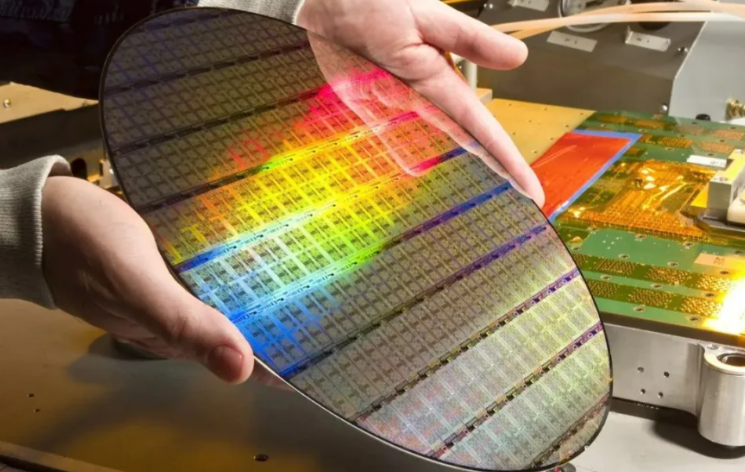
Semiconductor and advanced substrate materials require highly controlled polishing processes because their hardness, brittleness, and surface requirements directly influence abrasive selection. These material characteristics create challenges during precision processing, particularly when low defect surfaces and controlled material removal are required.
Silicon Wafer Polishing
Silicon wafers are the most widely used semiconductor substrates due to their mature manufacturing technology and electrical performance.
During wafer preparation, polishing processes must achieve uniform material removal while maintaining low surface roughness and minimal defects. Diamond abrasive selection therefore focuses on particle size control, abrasive consistency, and the balance between removal efficiency and surface quality.
SiC Wafer Polishing
Silicon carbide (SiC) is increasingly used in power semiconductor applications because of its high breakdown voltage, excellent thermal conductivity, and high-temperature performance.
However, the high hardness and chemical stability of SiC make wafer processing more challenging than conventional silicon substrates. Diamond abrasives are commonly selected for SiC wafer polishing because they provide the cutting capability required for material removal while allowing better control of surface damage and finishing quality.
The main challenge in SiC polishing is achieving a balance between material removal efficiency, scratch reduction, and final surface quality. Diamond powder selection therefore requires consideration of particle size, crystal characteristics, and abrasive consistency according to the polishing stage.
Sapphire and Advanced Substrate Materials
Sapphire substrates are widely used in optoelectronic and semiconductor-related applications where high mechanical strength, optical transparency, and surface quality are required[^2].
Due to its hardness and brittleness, sapphire requires carefully selected diamond abrasives to achieve efficient material removal while controlling scratches and surface defects.
For sapphire polishing, particle size, diamond morphology, and abrasive consistency are important factors affecting final surface quality.
Ceramic Semiconductor Substrate Polishing
Ceramic substrates such as alumina and aluminum nitride (AlN) are used in electronic packaging and thermal management applications.
Their hardness and brittle characteristics require diamond abrasives that provide stable cutting behaviour and controlled surface finishing.
The suitable diamond grade depends on the ceramic composition, required removal rate, and final surface requirement.
Semiconductor Materials and Diamond Powder Selection Guide
| Material | Main Challenge | Typical Abrasive Selection |
|---|---|---|
| Silicon wafer | Low defect surface | Fine micron diamond powder / diamond slurry |
| SiC wafer | High hardness and damage control | Micron diamond powder / diamond slurry |
| Sapphire substrate | Scratch control and surface finish | Micron diamond powder |
| Ceramic substrate | Material compatibility | Micron diamond powder |
Factors Affecting Diamond Powder Selection
Diamond powder selection depends on the balance between material removal efficiency, surface finish requirements, and process stability. The most suitable abrasive specification is determined by the polishing objective and processing conditions.
Surface Finish and Scratch Control
Surface finish requirements strongly influence diamond powder selection because semiconductor surfaces are highly sensitive to scratches and defects[^3].
Finer particle sizes and controlled abrasive characteristics are generally selected for finishing processes where surface quality is more important than maximum removal rate.
Material Removal Rate
Material removal rate is an important consideration, especially for hard materials such as SiC.
A suitable diamond powder should provide sufficient cutting performance while maintaining the surface quality required for subsequent processing stages.
Particle Consistency and Process Stability
Consistent abrasive behaviour is essential for semiconductor polishing because variations in particle characteristics can affect polishing results.
Controlled particle size distribution and uniform abrasive properties help maintain predictable material removal and improve process repeatability.
Polishing System Compatibility
Diamond powder selection should also consider the complete polishing system, including equipment, pad type, process conditions, and abrasive delivery method.
The best abrasive specification is achieved when diamond characteristics are matched with the requirements of the complete polishing process.
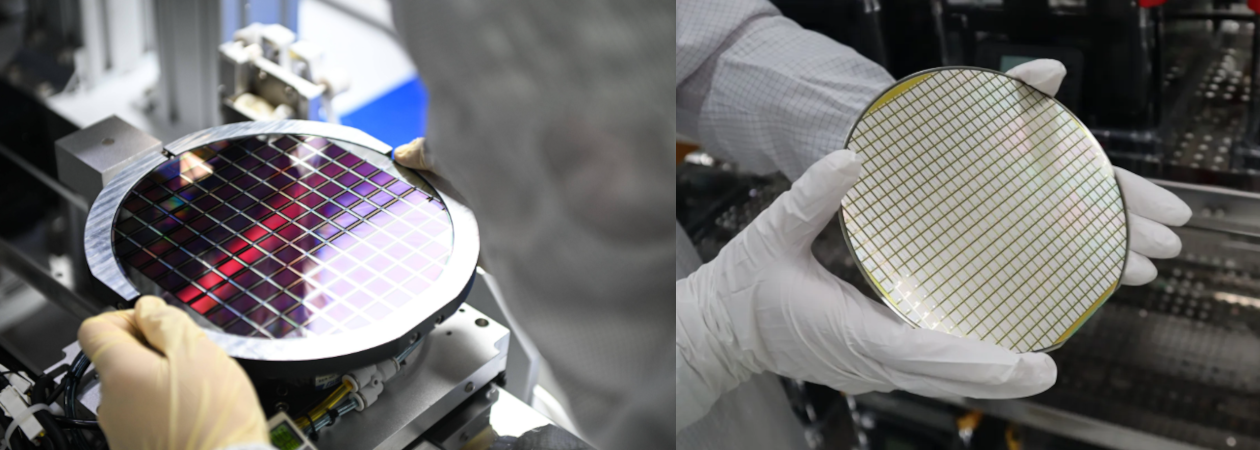
Purity and Surface Cleanliness
Diamond powder purity and surface cleanliness are important for semiconductor applications where contamination control and defect reduction are critical.
Selecting Diamond Powder Grade
After identifying the polishing requirements, the next step is selecting a diamond powder grade that provides the appropriate balance between material removal, surface finish, and process stability.
Particle size mainly determines polishing aggressiveness and achievable surface quality, while crystal structure influences cutting behaviour and abrasive interaction.
The most suitable diamond powder grade depends on the polishing stage, substrate material, and required surface performance.
Micron Diamond Powder for Semiconductor Polishing
Micron diamond powder is widely used as a semiconductor polishing diamond powder solution because it provides flexible particle sizes for different wafer processing stages.
Coarser micron grades are generally selected where higher material removal is required, while fine micron diamond grades are commonly selected for semiconductor wafer polishing where controlled removal and surface refinement are required. The selected particle size should match the polishing objective rather than simply choosing the smallest available grade.
Submicron and Nano Diamond Powder for Ultra-Fine Finishing
Submicron and nano diamond powders are considered for applications requiring extremely fine surface control and reduced surface defects.
Compared with micron diamond powder, smaller particles provide finer abrasive interaction and are typically used in final finishing processes where surface quality is more important than removal efficiency.
However, smaller particle size does not always provide better results. Dispersion stability, particle consistency, and process conditions must also be considered.
Monocrystalline vs Polycrystalline Diamond Powder
Diamond crystal structure is an important factor affecting abrasive behaviour during semiconductor and precision polishing processes.
Monocrystalline diamond powder consists of individual diamond crystals with a consistent structure. It provides predictable cutting behaviour and stable abrasive performance, making it suitable for applications where controlled material removal, surface consistency, and repeatable polishing results are required.
Polycrystalline diamond powder contains multiple crystal structures within each particle. Its fracture characteristics can generate new cutting edges during processing, providing self-sharpening behaviour and higher cutting efficiency in certain applications where material removal capability is important.
The selection between monocrystalline and polycrystalline diamond powder depends on the polishing objective, workpiece material, particle size, and required surface finish.
Monocrystalline vs Polycrystalline Diamond Powder Selection
| Feature | Monocrystalline Diamond Powder | Polycrystalline Diamond Powder |
|---|---|---|
| Crystal structure | Single crystal structure | Multiple crystal structures within each particle |
| Cutting behaviour | Stable and predictable cutting action | Self-sharpening behaviour with renewed cutting edges |
| Surface interaction | Controlled abrasive interaction for precision finishing | More active abrasive interaction for higher removal efficiency |
| Typical application focus | Precision polishing, fine finishing, controlled surface generation | Applications requiring higher material removal and improved cutting efficiency |
| Selection priority | Surface quality and process consistency | Removal efficiency and abrasive renewal |
Particle Size Selection Table
| Polishing Requirement | Typical Diamond Powder Selection |
|---|---|
| Higher material removal and preparation stages | Coarser micron diamond |
| Balanced removal and surface quality | Medium micron diamond |
| Precision wafer polishing | Fine micron diamond |
| Ultra-fine finishing and defect control | Submicron or nano diamond |
| Hard substrate polishing such as SiC | Controlled micron diamond grades |
Diamond Powder Quality Factors
Selecting the correct diamond powder grade is only part of achieving consistent polishing performance. In semiconductor and wafer applications, abrasive quality control is equally important because variations in particle characteristics can influence surface finish, defect levels, and process repeatability.
Key quality factors include particle size distribution, particle shape, purity, and oversize particle control. These characteristics help ensure that the diamond powder performs consistently according to its intended application requirements.
PSD Control
Particle size distribution (PSD) directly affects abrasive behaviour during polishing by influencing material removal consistency and surface generation.
For semiconductor applications, controlled PSD helps reduce variations caused by particles outside the target range, supporting predictable polishing performance and repeatable surface results.
Particle Shape
Diamond particle shape influences how abrasive forces are transferred between the diamond particles and the workpiece surface.
Consistent particle morphology helps provide more predictable cutting behaviour and polishing uniformity, especially in precision processes where surface variation must be minimized.
Purity and Cleanliness
Diamond powder purity is important for applications where surface defects and contamination control are critical.
High-purity diamond powder helps reduce the risk of unwanted particles affecting polishing performance, making cleanliness increasingly important for advanced semiconductor processing.
Oversize Particle Control
Oversize particles can create unwanted scratches or surface defects during precision polishing, even when present in small quantities.
Effective oversize particle control helps maintain the intended abrasive specification and improves polishing consistency for applications requiring strict surface quality control.
Diamond Powder vs Diamond Slurry: Selecting the Right Format for Wafer Polishing
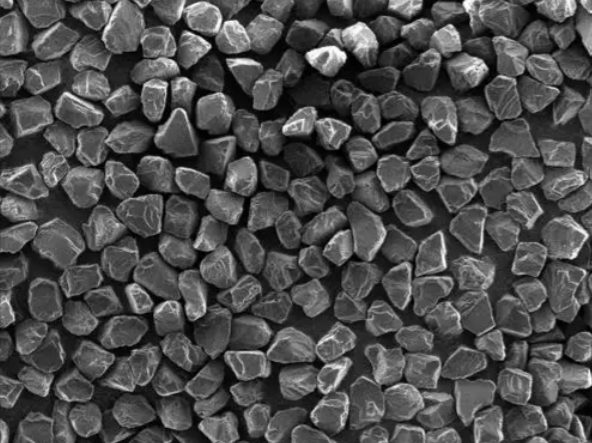
Diamond powder and diamond slurry contain the same diamond abrasive material but provide different approaches for delivering diamond particles during wafer polishing.
The choice between diamond powder and diamond slurry depends on the required level of formulation control, abrasive preparation, dispersion stability, and polishing process consistency. The suitable format should be selected according to the specific semiconductor polishing requirements.
Diamond Powder for Flexible Polishing Formulations
Diamond powder is selected when manufacturers require direct control over the abrasive formulation used in the polishing process.
Because diamond particles are supplied separately, users can customize particle size, diamond type, concentration, and carrier system according to their equipment and polishing requirements. This flexibility is valuable for developing or optimizing specific wafer polishing processes.
Diamond powder is commonly considered when:
- customized polishing formulations are required,
- specific diamond grades need to be integrated into an existing process,
- maximum control over abrasive composition is preferred.
However, diamond powder requires proper dispersion and preparation before use to achieve stable abrasive performance during polishing.
Diamond Slurry for CMP and Consistent Abrasive Delivery
Diamond slurry for wafer polishing provides a pre-dispersed abrasive system where diamond particles are controlled within a liquid carrier. This format helps provide more consistent abrasive delivery compared with loose diamond powder, where dispersion preparation is required before polishing.
In semiconductor manufacturing, diamond slurry is widely considered for CMP (chemical mechanical polishing) and other wafer polishing processes stable particle dispersion, consistent abrasive delivery, and repeatable surface quality[^4]. Diamond abrasive slurry for semiconductor polishing provides a controlled abrasive system that helps maintain process stability and polishing consistency.
Diamond slurry is commonly selected when:
- ready-to-use abrasive delivery is preferred,
- stable particle dispersion is required,
- polishing processes require repeatable surface quality and process consistency.
For wafer polishing applications, diamond slurry provides advantages in process control and handling efficiency by reducing variations caused by abrasive preparation and particle dispersion.
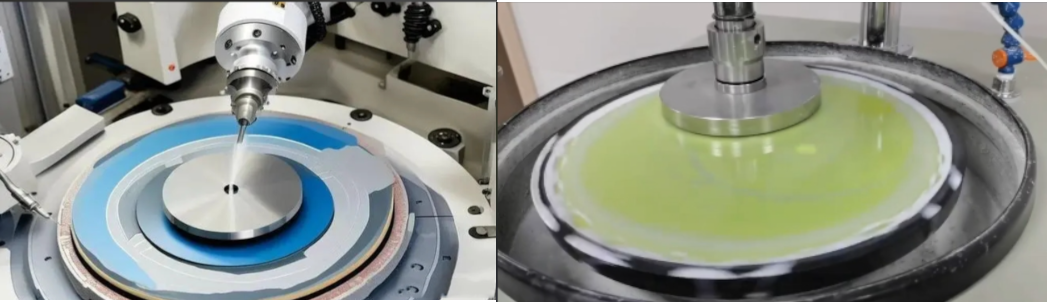
Diamond Powder vs Diamond Slurry Comparison Table
| Selection Consideration | Diamond Powder | Diamond Slurry |
|---|---|---|
| Abrasive format | Loose diamond particles for customized formulation | Diamond particles pre-dispersed in a liquid carrier |
| Diamond grade selection | Allows selection of particle size, crystal type, and concentration before formulation | Supplied with a defined diamond grade and slurry formulation |
| Process flexibility | Suitable for customized polishing systems and process development | Suitable for established polishing processes requiring consistent delivery |
| Dispersion control | Requires user-controlled mixing and dispersion preparation | Provides controlled dispersion for more stable abrasive delivery |
| Typical application | Custom wafer polishing formulations and process optimization | Semiconductor polishing processes requiring repeatability and convenience |
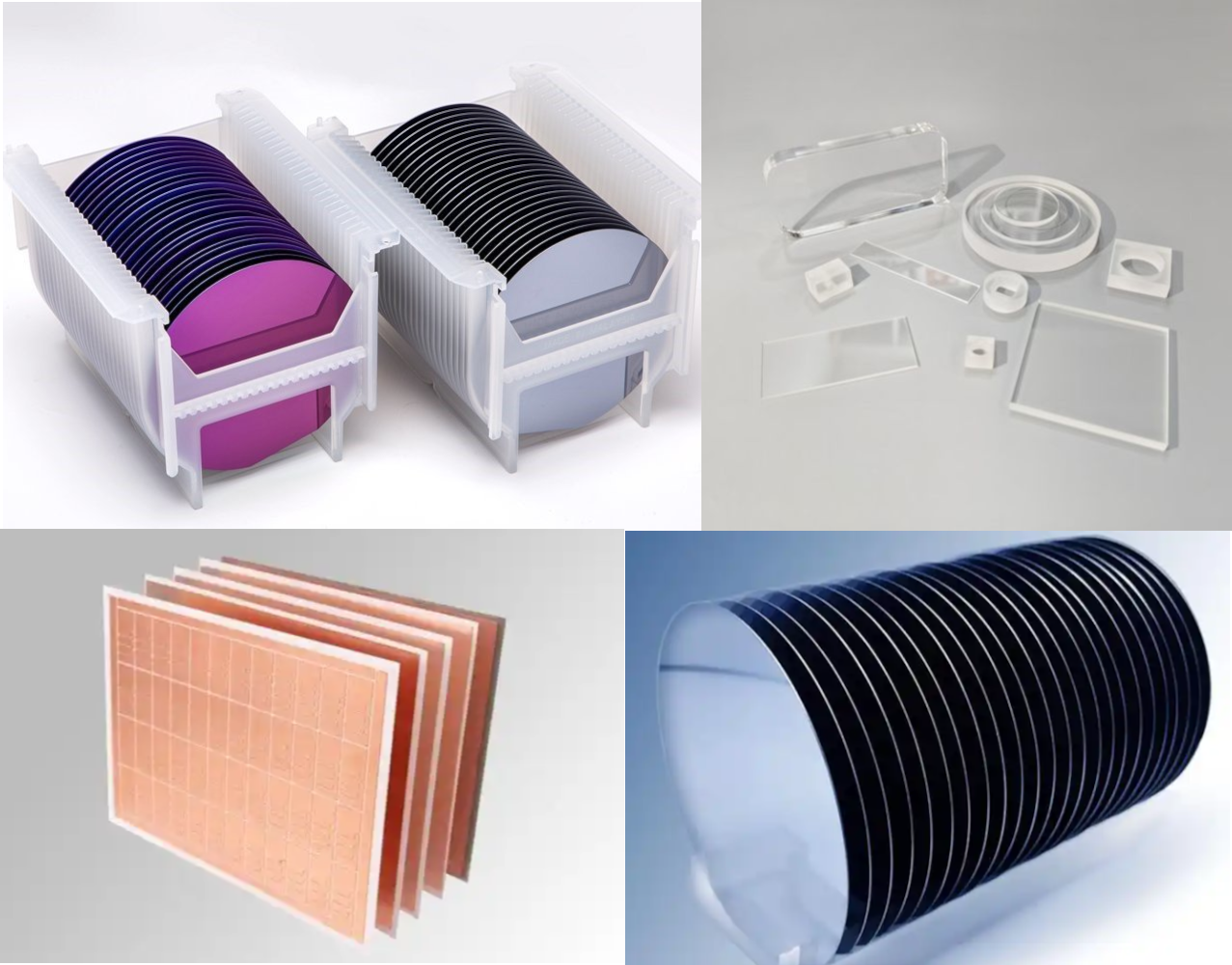
Diamond Powder Selection by Semiconductor Polishing Application
Diamond powder selection for semiconductor polishing depends on the substrate material, polishing stage, required surface finish, and material removal objectives.
Different materials require different abrasive characteristics. Micron diamond powder, nano diamond powder, and diamond slurry are selected according to the balance between removal efficiency, defect control, and final surface quality.
Diamond Powder for Semiconductor CMP Applications
Diamond powder for CMP applications requires highly controlled abrasive behaviour to achieve uniform surface finishing with minimal defects.
Diamond abrasive selection for CMP-related applications depends on particle size, dispersion stability, surface requirements, and compatibility with the polishing system.
Diamond Powder for Silicon Wafer Polishing
Diamond powder for SiC polishing and wafer processing requires diamond abrasives that provide sufficient cutting capability while maintaining surface quality.
Fine micron diamond powder is commonly selected for silicon wafer polishing applications where stable abrasive behaviour and consistent surface refinement are required. Particle size distribution and abrasive consistency are important factors for achieving repeatable polishing results.
For ultra-fine finishing stages, nano diamond powder or diamond slurry may be considered when improved surface quality and defect control are required.
Diamond Powder for SiC Wafer Polishing
Diamond powder for SiC wafer polishing requires diamond abrasives that provide sufficient cutting capability while maintaining surface quality.
Due to the high hardness and chemical stability of SiC, diamond powder is commonly selected for material removal and surface refinement during SiC wafer processing. Micron diamond powder grades are typically adjusted according to the polishing stage, with coarser grades providing higher removal capability and finer grades supporting surface finishing and defect reduction.
The selection of diamond particle size, crystal structure, and abrasive consistency is critical for balancing polishing efficiency and final surface quality.
Diamond Powder for Sapphire Polishing
Diamond Powder for Sapphire substrate polishing requires diamond abrasives that balance material removal efficiency with surface finish requirements.
Diamond powder is commonly used for sapphire substrate processing because sapphire is a hard and brittle material requiring controlled abrasive action. Larger micron diamond grades may be selected for preparation stages, while finer diamond powders are used for finishing processes where scratch reduction and surface consistency are important.
Particle morphology, particle size distribution, and abrasive stability become increasingly important for demanding sapphire polishing applications.
Diamond Powder for Ceramic Substrate Polishing
Diamond powder for ceramic substrate polishing requires diamond powder selection based on material composition, hardness, and required surface performance.
Micron diamond powder is commonly selected for ceramic polishing because it provides adjustable cutting performance across different processing stages. Coarser grades may be used for efficient material removal, while finer grades are preferred for precision finishing and improved surface control.
The optimal diamond specification depends on the ceramic material, polishing method, and required final surface quality.
Semiconductor Polishing Application Selection Table
| Application | Recommended Abrasive | Key Selection Factors |
|---|---|---|
| Silicon wafer polishing | Fine micron diamond powder / diamond slurry | Surface finish, defect control, polishing consistency |
| SiC wafer polishing | Controlled micron diamond powder / diamond slurry | Material removal efficiency, scratch reduction, surface damage control |
| CMP-related polishing processes | Nano diamond powder / diamond slurry | Low surface roughness, dispersion stability, process repeatability |
| Sapphire substrate polishing | Micron diamond powder | Scratch control, surface quality, particle consistency |
| Ceramic substrate polishing | Micron diamond powder | Material compatibility, removal efficiency, finishing quality |
| Ultra-fine semiconductor finishing | Submicron / nano diamond powder | Ultra-low roughness, defect reduction, surface refinement |
Crownkyn Semiconductor Diamond Solutions
Crownkyn Diamond supplies diamond abrasive solutions for semiconductor polishing, including synthetic micron diamond powder, nano diamond powder, and diamond slurry for wafer polishing and advanced material processing applications.Our team supports customized abrasive solutions by optimizing particle size, selecting suitable diamond grades, and developing slurry formulations tailored to specific polishing processes and application requirements.
Our diamond abrasives are designed for processes requiring controlled material removal, surface finish improvement, and consistent polishing performance across demanding materials such as silicon, SiC, sapphire, and ceramic substrates.
Selecting the right diamond abrasive for wafer polishing requires balancing particle size, crystal structure, abrasive consistency, product format, and processing requirements. Different polishing stages may require different diamond solutions, from micron diamond powder for controlled removal to nano diamond powder and diamond slurry for ultra-fine finishing.
If you are evaluating diamond powder or diamond slurry for semiconductor polishing applications, contact us with your substrate material, polishing stage, target surface quality, and current process requirements. Our team can help recommend a suitable diamond abrasive specification.
Conclusion
Selecting diamond powder for semiconductor and wafer polishing is not simply a matter of choosing the smallest particle size or the most aggressive abrasive grade.
Different semiconductor materials and polishing stages require different abrasive characteristics. The most suitable diamond solution depends on the balance between material removal efficiency, surface finish requirements, defect control, and process stability.
Micron diamond powder is commonly selected for wafer polishing processes where controlled material removal and surface refinement are required. Nano diamond powder is considered for ultra-fine finishing applications where extremely low surface roughness and defect control are priorities. Diamond slurry provides an alternative format when consistent abrasive delivery and process repeatability are required.
For semiconductor polishing applications, successful abrasive selection comes from matching the diamond powder characteristics with the complete polishing process rather than evaluating particle size or abrasive type separately.
References
[1] semiconductor substrates have substantially different mechanical properties
Semiconductor materials differ significantly in hardness, mechanical behaviour, and processing requirements.
[2] Fabrication challenges and optical properties
Sapphire substrates are widely used in electronic and semiconductor-related applications where mechanical strength, optical properties, and surface quality are important.
[3] Defect Detection Fills Important Industry Gap
Surface finish requirements have a major influence on diamond powder selection because semiconductor surfaces are highly sensitive to defects.
[4] [Material removal rate model in chemical-mechanical polishing](https://www.sciencedirect.com/science/article/abs/pii/S0020740325007519
Controlled particle size distribution and uniform abrasive properties improve predictable removal and reduce process variation.
Drafted by: Gareth Bayley
Technical Review & Editing: Ashley Wei