What Is Diamond Powder? Diamond Types, Industrial Uses and Selection Guide
Diamond powder is one of the most widely used superabrasives in modern manufacturing. It is used in cutting tools, grinding wheels, lapping compounds, polishing slurries, semiconductor processing, thermal management materials, and many other precision applications.
However, not all diamond powders are the same. Different crystal strengths, particle sizes, particle shapes, and surface treatments are designed for different manufacturing processes. Selecting the wrong grade can result in poor surface finish, shorter tool life, excessive wear, and unnecessary production costs.
The challenge is not finding diamond powder—it is understanding which type best matches your application. This guide explains what industrial diamond powder is, how it differs from cosmetic and natural diamond powders, the major classifications used in industry, where it is used, and how to select the right diamond powder for your manufacturing process.
What Is Diamond Powder?
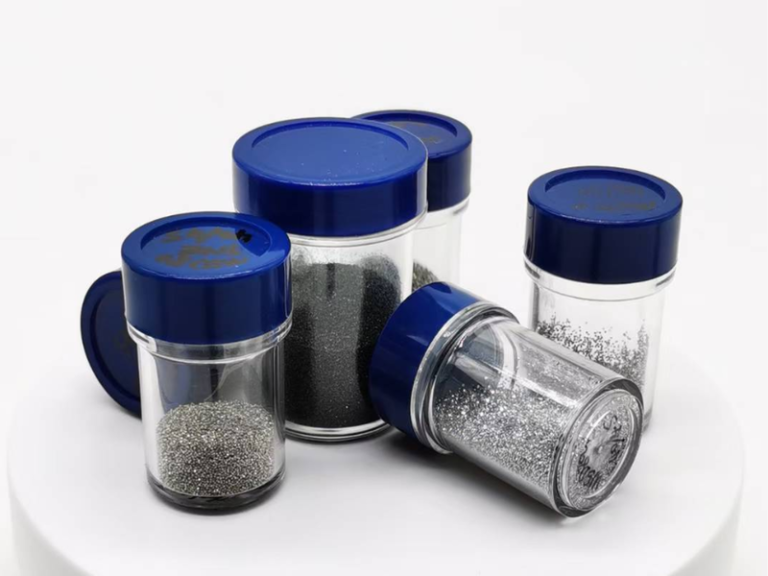
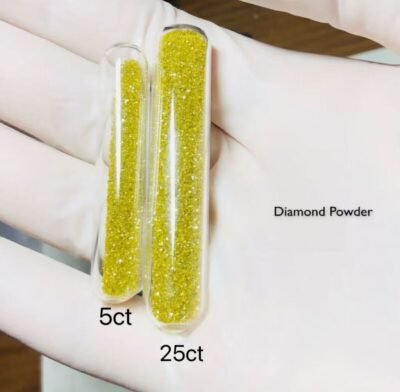
Diamond powder is a superabrasive material consisting of engineered diamond particles used for cutting, grinding, lapping, polishing, drilling, and other precision manufacturing processes. Unlike gem-quality diamonds, industrial diamond powder is engineered for performance rather than appearance, with properties optimized for specific manufacturing applications.
Although the term "diamond powder" is also used in cosmetics and skincare products, cosmetic diamond powder is primarily intended for decorative or exfoliating purposes. This guide focuses exclusively on industrial diamond powder used in modern manufacturing.
Virtually all modern industrial diamond powder is synthetically produced, with most manufactured using High Pressure High Temperature (HPHT) technology. Compared with natural diamond, synthetic diamond offers more consistent crystal strength, tighter particle size control, improved purity, and reliable large-scale production[^1].
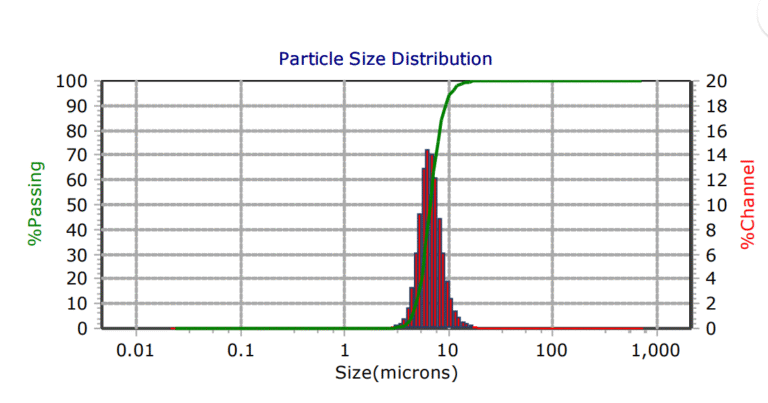
Industrial synthetic diamond powder can also be engineered for specific applications. Manufacturers can control crystal strength, particle size, particle shape, particle size distribution (PSD), surface purity[^2], and apply various coatings or surface treatments to optimize performance in different bond systems and manufacturing processes.
These advantages have made synthetic diamond powder the industry standard for cutting, grinding, lapping, polishing, semiconductor manufacturing, thermal management, and many other precision applications.
Understanding these engineered properties is the key to selecting the right diamond powder, which is why industrial diamond powders are commonly classified in several different ways.
Why Is Diamond Powder Used in Modern Manufacturing?
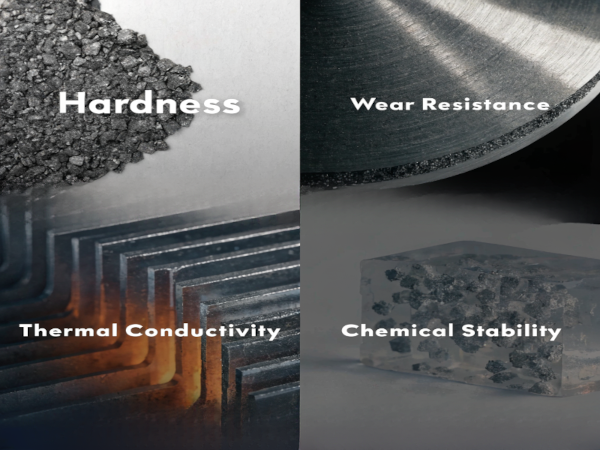
Diamond possesses a combination of properties that make industrial diamond powder very useful for modern manufacturing:
-
Hardness –Its unparalleled hardness allows it to efficiently cut, grind, and machine the toughest materials, including ceramics, tungsten carbide, and stone[^3], where other abrasives would quickly fail.
-
Wear Resistance – Exceptional wear resistance ensures that diamond-coated tools and grinding wheels maintain their precise geometric shape for vastly longer periods[^2], drastically reducing downtime for tool changes and re-dressing.
-
Thermal Conductivity – Its extremely high thermal conductivity[^3] rapidly dissipates frictional heat away from the cutting interface, preventing thermal damage to both the workpiece and the tool itself during high-speed machining.
-
Chemical Stability – Its chemical inertness and resistance to oxidation at high temperatures prevent it from reacting with most workpieces or coolants[^4], ensuring consistent performance and a contamination-free surface finish in demanding industrial environments.
These properties make diamond particularly well-suited for machining hard and brittle materials such as stones, ceramics, glass, and cemented carbides[^5]. Its ability to maintain sharp cutting edges under high stress and temperature allows for precision material removal while minimizing the risk of cracks and subsurface damage when applied within proper parameters.
Compared to conventional abrasives like , aluminum oxide, silicon carbide, and even CBN (cubic boron nitride), diamond powder offers superior performance when processing non-ferrous, non-metallic, or extremely hard materials[^6].
While CBN remains the preferred choice for ferrous metals due to diamond's chemical reactivity with steel at high temperatures, diamond powder outshines all others in its core application areas which are discussed in the following sections.
What Are The Different Types of Diamond Powder?
To select the right diamond powder for a given application, one must first understand how it is classified across several complementary technical criteria.
Particle Size (Mesh / Micron / Nano)
The terms mesh, micron, and nano refer to the different particle size ranges used. Each size range is suited to different manufacturing processes, from aggressive cutting and grinding to ultra-precision polishing and CMP and directly ties into the cutting efficiency, scratch depth, surface finish, operational throughput, and overall cost[^4] of a manufacturing process.
| Size System | Typical Range | Primary Applications |
|---|---|---|
| Mesh | 20/25 – 325/400 | Cutting and Grinding |
| Micron | 40–60 μm ~ 0.5–1 μm | Lapping and Polishing |
| Sub-micron and Nano | 0.25–0.5 μm, 5–250 nm | Ultra-Precision Polishing and CMP |
Particle Shape
Particle shape determines how diamond powder interacts with the workpiece and directly influences cutting aggressiveness, surface finish, tool wear, and polishing consistency.[^5] A particle shape that performs well in cutting or grinding may not be suitable for precision lapping or polishing, making shape selection an important part of choosing the right diamond powder.
| Particle Shape | Characteristics | Typical Applications |
|---|---|---|
| Blocky | High crystal integrity with strong load-bearing capability and excellent bond retention | Stone cutting, drilling, grinding wheels, metal-bond tools |
| Angular | Sharp edges provide aggressive cutting action and high material removal rates | Resin-bond grinding wheels, carbide grinding, general grinding |
| Irregular | Mixed crystal morphology offering a balance between cutting efficiency and durability | General-purpose grinding and abrasive tools |
| Near-Spherical | Uniform particle geometry helps reduce scratch depth and improve polishing consistency | Precision lapping, optical polishing, semiconductor and ceramic polishing |
Different particle shapes are engineered for different manufacturing objectives. Blocky and angular particles are generally selected when high cutting efficiency and long tool life are required, while near-spherical particles are preferred for applications where scratch control and surface quality are the primary concerns. Choosing the appropriate particle shape helps achieve the desired balance between material removal rate, surface finish, and tool performance.
Crystal Structure (Monocrystalline / Polycrystalline)
Monocrystalline diamonds are characterized by their single-crystal structure, formed from a continuous crystal lattice without any interruptions or joints. This structure gives them sharp, blocky edges, resulting in an effective abrasive action. The distinct shape allows for precise cutting, grinding, and polishing, making monocrystalline diamonds ideal for applications requiring accuracy and a smooth finish.
Polycrystalline diamonds are composed of multiple smaller crystals fused together, creating a multi-faceted structure. This complex arrangement gives them more cutting edges, leading to higher stock removal rates and shorter polishing times. The multi-faceted nature allows for more aggressive abrasion, making them ideal for tough materials like hard metals, ceramics, and composites.
The choice between monocrystalline and polycrystalline diamond depends on the workpiece material, required surface finish, and material removal rate.
Coating and Surface Treatments
Surface treatments are used to modify the properties of diamond particles for specific manufacturing processes. Coatings and surface modifications can improve bond retention, thermal stability, corrosion resistance, slurry dispersion, or compatibility with different matrix materials[^7], allowing the same diamond powder to perform differently in different applications.
| Type | Characteristics | Typical Applications |
|---|---|---|
| Uncoated | Standard cleaned or purified surface with no additional treatment | General grinding, lapping, polishing, and loose abrasive applications |
| Metal-Coated | Nickel, copper, titanium, chromium, tungsten, or other metallic coatings improve bond retention, heat resistance, and interfacial bonding | Resin-, metal-, vitrified-bond tools, brazed tools, thermal management |
| Roughened / Etched | Surface roughening increases mechanical interlocking between diamond particles and the bond | Resin-bond and metal-bond tools requiring higher particle retention |
| Chemically Functionalized | Surface modified with functional groups or coupling agents to improve dispersion or matrix compatibility | Diamond slurries, lubricants, polymer composites, advanced materials |
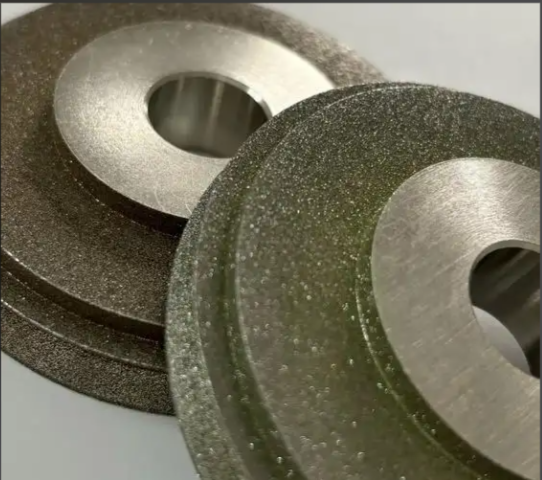
Surface treatment is another important selection factor alongside particle size, crystal structure, and particle shape. The appropriate coating or surface modification depends on the bonding system, manufacturing process, and performance requirements of the final application.
For a more detailed explanation of crystal strength, particle shape, coatings, particle size distribution (PSD), and other engineered properties, see our Synthetic Diamond Powder Properties and Grade Selection Guide.
What Are The Industrial Applications of Diamond Powder?
Diamond powder's versatility has led to its adoption across a wide range of industries, with more usages are being found every year. Some of the most well know industrial applications are as follows.
Precision Polishing & Lapping
Diamond powder is widely used in high-precision finishing processes where dimensional accuracy, low surface roughness, and consistent material removal are critical. Typical applications include semiconductor wafer processing, advanced ceramics, precision optics, glass and sapphire finishing, mold and die polishing, and medical or dental components[^8].
Why Diamond Powder?
Compared with conventional abrasives, diamond powder offers superior hardness, wear resistance, and cutting efficiency, making it particularly suitable for processing hard and brittle materials. Depending on the application, diamond abrasives can provide:
- Higher material removal rates while maintaining dimensional accuracy.
- Lower scratch depth and improved surface finish during lapping and polishing.
- Longer abrasive life and more consistent processing performance.
- Better process stability for precision manufacturing with tight tolerances.
Different polishing applications place different requirements on particle size, crystal shape, and particle strength, making the selection of the appropriate diamond powder an important factor in achieving the desired surface quality and production efficiency.
Recommended Products
| Product Category | Typical Size | Typical Applications |
|---|---|---|
| Monocrystalline Micron Diamond Powder | 0–1 μm to 40 μm | Precision lapping and polishing of ceramics, optics, carbide, molds, and sapphire |
| Specialty Micron Grades | Sub-micron to 15 μm | Semiconductor wafers, CMP-related polishing, ultra-precision finishing |
| Nano Diamond Powder | <0.25 μm (nanometer range) | CMP, semiconductor processing, advanced optical polishing, functional materials |
| Resin Bond Diamond Grit (Crushed) | 60/70–325/400 mesh | Resin-bond grinding wheels used for precision grinding prior to polishing |
| Electroplated Diamond Grit | 60/70–325/400 mesh | Electroplated tools for precision grinding of glass, ceramics, and composites |
The choice of diamond powder depends on the required surface finish, workpiece material, and manufacturing process. For most precision polishing applications, finer micron or nano diamond powders are preferred, while coarser crushed diamond grits are commonly used during the grinding stage before final finishing.
Cutting, Grinding & Tool Manufacturing
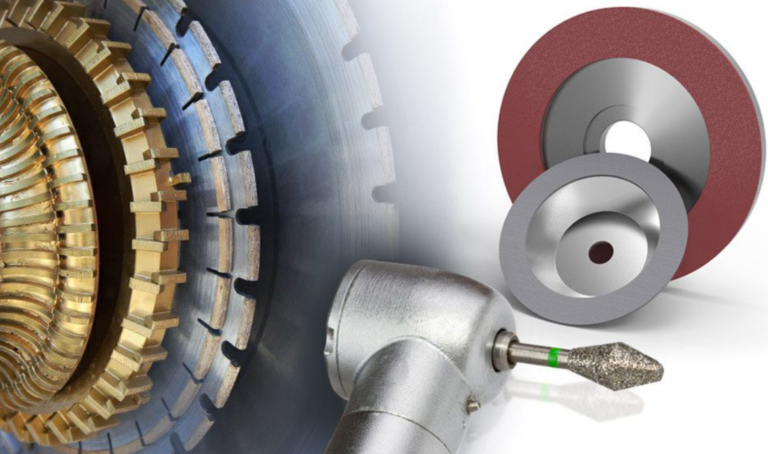
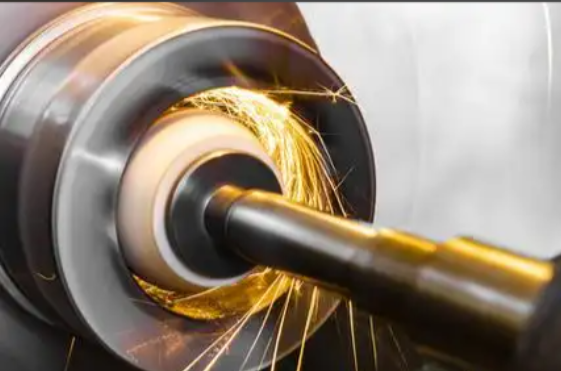
Diamond powder is widely used in the manufacture of high-performance cutting and grinding tools for cemented carbides, automotive components, aerospace materials, cutting tools, and abrasive products. It is also an important material in the production of PCD tools and other superabrasive tooling systems designed for demanding machining applications.
Why Diamond Powder?
Diamond is the hardest known material, making it highly effective for machining hard, wear-resistant, and difficult-to-process materials. Compared with conventional abrasives, diamond powder provides:
- Higher cutting efficiency and faster material removal.
- Longer tool life through improved wear resistance.
- Better dimensional accuracy and edge retention.
- More stable machining performance for high-value industrial components.
Different cutting and grinding applications require different combinations of particle size, crystal strength, friability, and particle shape to balance cutting performance, durability, and manufacturing efficiency.
Recommended Products
| Product Category | Typical Size | Typical Applications |
|---|---|---|
| Saw Grit Diamond | 20/25–50/60 mesh | Diamond saw blades for stone, construction materials, and hard ceramics |
| Wheel Grit Diamond | 60/70–500/600 mesh | Resin-, metal-, and vitrified-bond grinding wheels for carbide and precision grinding |
| RVD-Type Crushed Diamond | 60/70–325/400 mesh | General-purpose grinding tools and abrasive products |
| Resin Bond Diamond Grit | 60/70–325/400 mesh | Resin-bond grinding wheels requiring efficient cutting and good self-sharpening |
| Vitrified Bond Diamond Grit | 60/70–325/400 mesh | High-speed precision grinding with vitrified-bond wheels |
| Electroplated Diamond Grit | 60/70–325/400 mesh | Electroplated tools for glass, ceramics, composites, and carbide machining |
The optimum diamond powder depends on the workpiece material, bonding system, machining process, and required tool performance. Coarser monocrystalline grits are typically selected for heavy-duty cutting[^9], while finer wheel grits and crushed diamond grades are widely used in precision grinding and abrasive tool manufacturing.
Stone, Construction & Drilling
Diamond powder plays an important role in the manufacture of diamond tools used for stone processing, construction materials, concrete cutting, road maintenance, and geological drilling[^10]. These applications typically operate under high cutting loads and abrasive conditions, requiring diamond particles with excellent impact resistance, wear resistance, and reliable crystal integrity.
Why Diamond Powder?
Diamond abrasives provide the hardness and durability required to process highly abrasive materials such as natural stone, reinforced concrete, asphalt, granite, engineered stone, and geological formations. Compared with conventional abrasives, diamond powder offers:
- Faster cutting and drilling efficiency.
- Longer service life under heavy-duty operating conditions.
- Improved wear resistance in abrasive environments.
- More stable cutting performance and reduced tool replacement frequency.
These demanding applications generally require larger synthetic diamond grits with high crystal strength to withstand repeated impact and maintain cutting performance over extended operating periods.
Recommended Products
| Product Category | Typical Size | Typical Applications |
|---|---|---|
| Saw Grit Diamond | 20/25–50/60 mesh | Stone cutting, concrete cutting, construction saw blades, wire saws |
| Wheel Grit Diamond | 60/70–170/200 mesh | Grinding wheels for stone dressing, edge grinding, and tool manufacturing |
| RVD-Type Crushed Diamond | 60/70–325/400 mesh | General-purpose abrasive tools and grinding applications |
| Monocrystalline Micron Diamond Powder | 0–1 μm to 40 μm | Stone polishing, granite and marble finishing, and high-strength micron diamond for PDC cutter manufacturing |
The selection of diamond grit depends on the cutting method, workpiece material, bond system, and expected tool life. The appropriate diamond powder depends on the manufacturing process and required surface quality. Coarse synthetic diamond grits are commonly selected for cutting and grinding, while micron diamond powders are preferred for stone polishing and the manufacture of high-performance PDC cutter.
Thermal Management & Composite Materials
Beyond abrasive applications, diamond powder is increasingly used in thermal management materials and advanced composites for electronics, aerospace, and other high-performance engineering industries. These applications utilize diamond not as a cutting material, but as a functional material with exceptional thermal conductivity, low thermal expansion, and excellent mechanical stability.
Why Diamond Powder?
Diamond powder is increasingly used in electronic packaging, metal matrix composites, thermal interface materials (TIMs), thermal gels, and advanced composite materials[^12]. When properly incorporated into metal, ceramic, or polymer matrices, diamond powder can provide:
- Higher thermal conductivity for efficient heat dissipation.
- Improved dimensional stability under thermal cycling.
- Enhanced wear resistance and mechanical performance.
- Reliable thermal performance in demanding electronic packaging and high-power applications.
Different composite systems require different particle sizes, surface treatments, and coating technologies to achieve strong interfacial bonding and uniform particle dispersion.
Recommended Products
| Product Category | Typical Size | Typical Applications |
|---|---|---|
| Large Monocrystalline Diamond | 25/30 mesh–4 mm | High thermal conductivity composites and electronic packaging |
| Monocrystalline Micron Diamond Powder | 15–40 μm | Metal matrix composites, TIMs, engineering ceramics |
| Cu-Coated Diamond Powder | 15–300 μm | Copper matrix composites, thermal interface materials, thermal gels |
| W-Coated Diamond Powder | 15–300 μm | High-performance thermal management materials and electronic packaging |
| Nano Diamond Powder | <0.25μm | Functional coatings, polymers, lubricants, advanced composite materials |
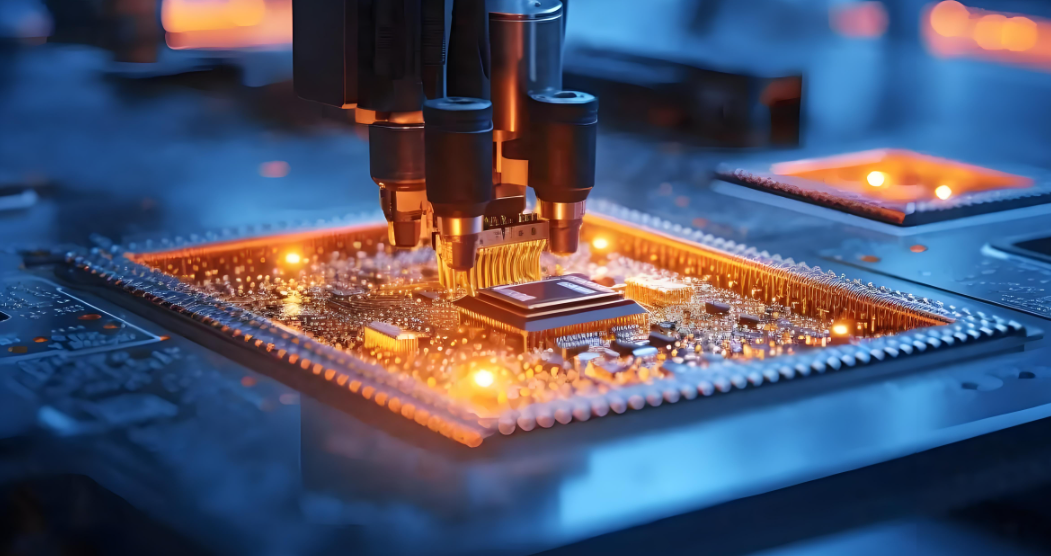
The appropriate diamond powder depends on the composite system, matrix material, and thermal performance requirements. In many thermal management applications, coated diamond powders are preferred to improve interfacial bonding and maximize heat transfer efficiency.
How Do You Choose the Right Diamond Powder?
Selecting diamond powder is a step-by-step process rather than simply choosing the finest particle size or the highest grade. The most suitable product depends on the manufacturing process, workpiece material, and performance requirements.
Step 1: Determine the Application
Start by identifying the manufacturing process, such as cutting, grinding, lapping, polishing, thermal management, or composite materials. Different applications require different categories of diamond powder.
Step 2: Identify the Workpiece Material
The hardness, brittleness, and composition of the material being processed influence the type and particle size of diamond powder required.
Step 3: Select the Product Category
Choose the appropriate product family based on your application, such as synthetic diamond grit, micron diamond powder, nano diamond powder, or coated diamond powder.
Step 4: Choose the Appropriate Grade
Once the product category has been determined, select the most suitable grade according to your application requirements. Factors such as particle size, crystal strength, particle shape, particle size distribution (PSD), purity, and surface treatment can then be optimized for the desired performance.
For more detailed guidance, see our related selection guides on particle size, crystal strength, particle shape, and other engineered properties.
Conclusion
Diamond powder is not a single product, but a broad family of industrial superabrasive materials used across cutting, grinding, lapping, polishing, thermal management, and advanced manufacturing. Understanding the different product categories, typical applications, and basic selection process is the first step toward choosing the right diamond powder for your manufacturing needs.
Whether you are developing diamond tools, improving polishing processes, or designing thermal management materials, exploring the right diamond powder starts with understanding your application requirements. For application-specific recommendations and technical support, contact Crownkyn Diamond.
Reference
-
Size Grading of Diamond Powder – National Institute of Standards and Technology (NIST)
-
HPHT and CVD Diamond Growth Processes – Gemological Institute of America (GIA)
-
Micromechanics of Machining and Wear in Hard and Brittle Materials – PMC
-
Understanding the Distinction Between CBN and Aluminum Oxide Abrasives – CDT USA
-
Examination of the Material Removal Rate in Lapping – OAKTrust, Texas A&M University
-
Diamond-Based Heat Spreaders for Power Electronic Packaging – University of Nebraska Digital Commons