Introduction
PCD (Polycrystalline Diamond) tools are produced by sintering diamond powder under high-pressure high-temperature (HPHT) conditions[^1] to form a dense polycrystalline diamond layer. The characteristics of the starting powder influence the resulting PCD microstructure, process consistency, and finished tool performance.
PCD diamond powder selection requires more than choosing a nominal particle size. This guide explains how particle size, PSD, morphology, crystal quality, thermal stability, purity, and other powder characteristics should be matched to the target PCD structure and tool application.
What Diamond Powder Is Used for PCD Manufacturing?
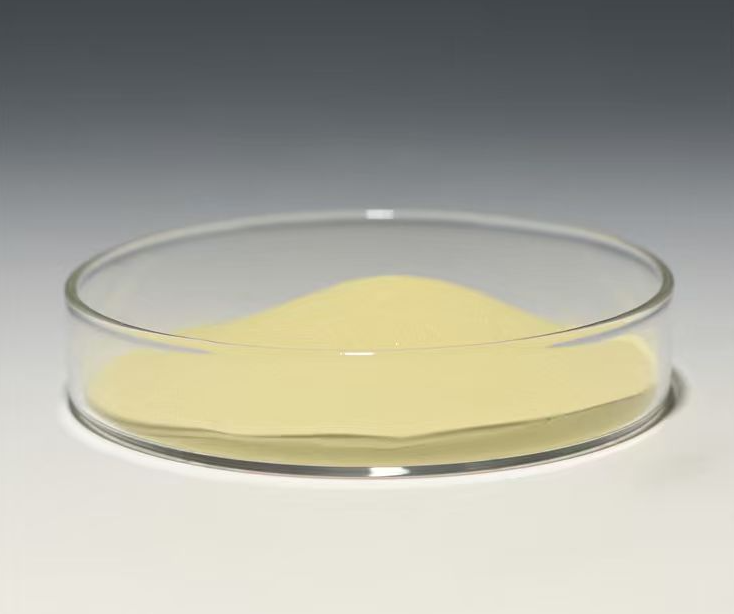
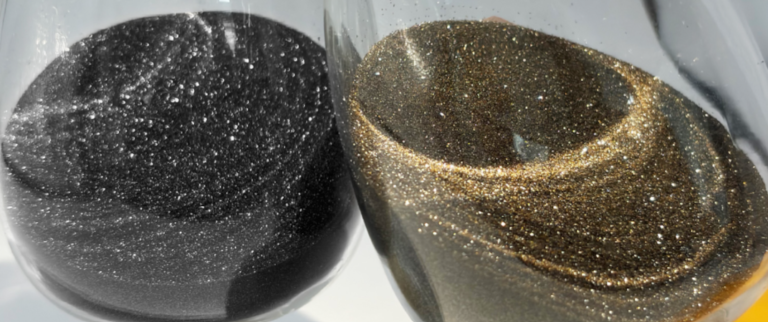
PCD manufacturing typically uses high-purity PCD / PDC Grade Diamond Powder with controlled particle size, PSD, morphology, crystal quality, and thermal behaviour. Fine, medium, coarse, or blended particle systems may be selected according to the required PCD grain structure and application.
During HPHT sintering, diamond particles are consolidated with a metallic catalyst/binder, commonly cobalt[^2], to develop strong diamond-to-diamond bonding and the final polycrystalline structure. Particle size distribution and other powder characteristics affect packing, binder distribution, grain development, and the resulting balance between edge quality, wear resistance, and structural performance.

What Diamond Powder Characteristics Matter Most for PCD Manufacturing?
The key diamond powder characteristics for PCD manufacturing are particle size and PSD, morphology, crystal quality, strength and thermal stability, and powder purity and surface condition.
Together, these parameters influence powder packing, HPHT sintering behaviour, PCD microstructure, and production consistency. Their importance depends on the target PCD structure and manufacturing process.
Particle Size and Particle Size Distribution(PSD)
Particle size strongly influences the grain structure of the final PCD. Coarser diamond powders are generally associated with higher abrasion resistance and longer tool life, while finer powders support finer cutting edges and better surface finish.[^3]
Particle size distribution (PSD) controls how the powder packs before and during HPHT sintering. The narrowest PSD is not always preferred; bimodal or multimodal blends may be used to improve packing efficiency and develop the required balance of density, wear resistance, and edge quality.
Our diamond powder particle size guide explains particle size classification and selection in more detail.
Diamond Morphology and Packing Behaviour
Diamond morphology affects particle-to-particle contact and the consistency of the starting compact. More controlled crystal shapes generally provide more predictable packing behaviour before HPHT sintering.
Morphology should be evaluated together with particle size and PSD because these characteristics collectively influence the structure developed during sintering.
Crystal Quality, Strength and Thermal Stability
Crystal quality, strength, and thermal stability describe important characteristics of the starting diamond powder. Internal defects, inclusions, or inconsistent crystal quality can contribute to variation during HPHT processing.
Crystal strength and Thermal Toughness Index (TTI) are useful comparative parameters, but they should not be treated as direct predictors of finished PCD performance. Final performance also depends on the sintered diamond network, grain boundaries, binder distribution, and overall microstructure.
Purity and Surface Condition
Residual metallic impurities, surface contamination, and inconsistent powder cleanliness can introduce unwanted variation during HPHT sintering[^4] and affect PCD production consistency.
PCD manufacturers therefore require controlled impurity levels and stable surface condition between batches, especially where repeatable sintering behaviour and microstructure are important.
How Should Diamond Powder Be Selected for Different PCD Tool Types?
PCD / PDC Grade Diamond Powder for PCD manufacturing should be selected according to the structure and performance required from the finished tool. PCD cutting tools, PDC cutters, wire drawing dies, and dressing tools operate under different combinations of abrasive wear, impact, thermal load, edge-quality requirements, and dimensional accuracy.
The selection focus therefore varies by application. Finer diamond powders are generally used for finer PCD structures and improved edge quality, while coarser powders or controlled particle-size blends may be preferred where abrasion resistance and wear life are higher priorities. PSD, morphology, crystal quality, purity, and thermal stability should then be matched to the target PCD structure and HPHT sintering process.

Quick Selection Guide by PCD Tool Type
| PCD Tool Type | Main Performance Requirement | Diamond Powder Selection Focus | Typical Structure Direction |
|---|---|---|---|
| PCD cutting tools | Edge quality, wear resistance, cutting stability | Particle size, PSD, crystal quality, controlled grain structure | Fine to medium grain depending on machining requirement |
| PDC cutters | Abrasive wear resistance, impact resistance, thermal stability | Controlled PSD, crystal quality, thermal behaviour, stable HPHT response | Medium to coarse or engineered multimodal structures |
| PCD wire drawing dies | Surface finish, dimensional stability, controlled wear | Fine particle size, consistent PSD, purity, uniform microstructure | Fine-grained PCD structure |
| PCD dressing tools | Profile stability, wear resistance, controlled cutting action | Grain structure, crystal quality, fracture behaviour | Application-dependent fine to medium structure |
The table provides a general selection direction rather than a fixed specification. Final diamond powder requirements should be confirmed according to the PCD formulation, HPHT process, binder system, tool geometry, and operating conditions.
Diamond Powder for PCD Cutting Tools
PCD cutting tools require a diamond powder system that can provide the required balance between cutting-edge quality and wear resistance. Fine diamond powders are commonly used when a fine-grained PCD structure and precise edge preparation are required, especially where surface finish and edge sharpness are priorities.
Medium or coarser particles, as well as controlled particle-size blends, may be selected where abrasion resistance and longer tool life are more important. The final powder specification should be matched to the workpiece material, cutting conditions, target PCD grain structure, and HPHT sintering system.
Diamond Powder for PDC Cutters
PDC cutters operate under severe abrasive wear, mechanical loading, and elevated temperatures[^5], so the diamond powder must support the formation of a stable and wear-resistant polycrystalline diamond table.
Particle size and PSD are selected according to the target PDC microstructure and cutter design, while crystal quality and thermal stability are important for consistent HPHT processing. TTI and crystal strength can provide useful comparative information, but they should be evaluated together with the sintered microstructure rather than used alone to predict cutter performance.

Diamond Powder for PCD Wire Drawing Dies
PCD wire drawing dies require a refined and uniform working zone capable of maintaining die geometry and producing a smooth wire surface over long production runs.[^6] Fine diamond powders with controlled PSD are therefore commonly selected to develop fine-grained PCD structures with good surface-finishing capability.
Powder consistency, purity, morphology, and crystal quality are also important because variation in the starting powder can affect local wear and dimensional stability. The final specification should be matched to the wire material, die size, drawing conditions, and required surface quality.
Diamond Powder for PCD Dressing Tools
PCD dressing tools require a stable working surface that can maintain profile accuracy while repeatedly interacting with abrasive grinding wheels. The required PCD structure must therefore balance wear resistance with sufficient cutting activity.
Diamond particle size, PSD, crystal quality, and fracture behaviour should be selected according to the grinding wheel type, dressing method, dressing load, and required profile accuracy.
Diamond Powder Selection by PCD Application
The final machining application influences the required PCD grain structure and the starting diamond powder specification. Workpiece material, target surface finish, wear conditions, and cutting stability should be considered together with particle size, PSD, morphology, and crystal quality.
| PCD Application | Main Requirement | Typical Starting Diamond Size | PSD / Quality Focus |
|---|---|---|---|
| Non-ferrous metal machining | Sharp edge, low cutting force, good surface finish | Approx. 1–10 μm | Controlled PSD, consistent morphology and crystal quality |
| High-silicon aluminum machining | High abrasion resistance and stable edge performance | Approx. 5–15 μm | Controlled or blended PSD, wear-oriented structure |
| CFRP and abrasive composites | Edge retention and resistance to abrasive wear | Approx. 5–15 μm | Balanced PSD, controlled morphology and consistent crystal quality |
| Wood and laminate cutting | Long edge life and stable cutting performance | Approx. 5–15 μm | Consistent PSD and controlled wear behaviour |
| Precision finishing applications | Fine edge quality and low surface roughness | Approx. 1–5 μm | Tight PSD, high powder uniformity and purity |

Finer starting diamond powders are generally preferred where edge sharpness and surface finish are priorities, while medium or coarser particle systems are more suitable for wear-oriented applications. Controlled bimodal or multimodal blends may also be used to improve packing and develop the required PCD microstructure during HPHT sintering.
These size ranges are general starting references rather than fixed PCD formulations. Final specifications should be confirmed according to the target PCD structure, HPHT process, binder system, and actual machining conditions.
Common Problems Caused by Poor Diamond Powder Control
Consistent PCD production requires stable diamond powder characteristics from batch to batch. Variations in particle size distribution, morphology, crystal quality, purity, or surface condition can affect HPHT sintering and ultimately lead to inconsistent PCD performance.
Batch-to-Batch Variation
Variation between diamond powder batches can change packing behaviour and sintering response, even when the nominal particle size remains the same. Consistent PSD, morphology, purity, and crystal quality are therefore important for maintaining repeatable PCD production.
Inconsistent PCD Microstructure
Poor control of particle size and PSD can affect diamond packing, binder distribution, and the uniformity of the sintered structure[^7]. This may result in local differences in density, grain structure, and diamond-to-diamond bonding within the PCD layer.
Unstable Edge Quality and Wear Performance
An unsuitable or inconsistent diamond powder can lead to variation in cutting-edge quality and wear behaviour[^8]. Depending on the application, the finished PCD may show premature edge wear, reduced edge stability, or shorter and less predictable tool life.
Inconsistent Workpiece Surface Finish
Changes in PCD grain structure and edge condition can directly affect the machined surface[^9]. For finishing applications, inconsistent diamond powder may contribute to higher surface roughness, unstable finish quality, or reduced dimensional consistency.
Crownkyn Diamond Powder Solutions for PCD Manufacturing
Crownkyn supplies synthetic PCD / PDC Grade Diamond Powder for PCD manufacturing with controlled particle size, PSD, morphology, crystal quality, strength, thermal stability, purity, and batch consistency. Quality control can include particle size analysis, morphology inspection, TI/TTI evaluation, and impurity testing according to the required grade and application.
Custom specifications can be developed for different PCD structures, including adjusted PSDs, blended particle systems, and application-specific diamond grades. In practical selection, we consider the target PCD grain structure, HPHT process, binder system, finished tool type, and required balance between edge quality and wear resistance rather than recommending a grade based on particle size alone.
For an initial grade recommendation, provide your PCD application, current diamond specification or target grain structure, sintering conditions, and main performance requirements. Our team can recommend a suitable starting specification for testing and further optimization.
Conclusion
Diamond powder selection for PCD manufacturing should start from the required PCD grain structure, HPHT process, and finished tool performance. Particle size and PSD define the basic structure, while morphology, crystal quality, purity, and thermal characteristics help control sintering consistency and final properties.
The selected specification should then be verified through HPHT sintering and tool performance testing under the manufacturer's actual production conditions.
References
[1] Densification and Surface Carbon Transformation of Diamond Powders under High Pressure and High Temperature – PMC
Supports HPHT consolidation of diamond powder and the formation of polycrystalline diamond structures.
[2] A Review of Binderless Polycrystalline Diamonds – PMC
Supports HPHT PCD synthesis and the use of metallic catalyst/binder systems such as cobalt.
[3] Effect of Grain Size and Cobalt Content on Machining Performance of Polycrystalline Diamond Tools – ScienceDirect
Supports the relationship between PCD grain size, wear resistance, edge quality and machining performance.
[4] Densification and Surface Carbon Transformation of Diamond Powders under High Pressure and High Temperature – PMC
Supports the influence of powder condition and impurities on HPHT consolidation behaviour.
[5] Super-Hard, Thick, Shaped PDC Cutters for Hard Rock Drilling – Stanford University
Supports PDC cutter requirements under abrasive wear, impact loading and elevated temperatures.
[6] Hand and Abrasive Flow Polished Tungsten Carbide Die – PMC
Supports the importance of die geometry, wear and surface quality in wire drawing.
[7] Influence of Diamond Grain Size on the Basic Properties of Polycrystalline Diamond – PMC
Supports the influence of diamond grain size and PSD on PCD structure and material properties.
[8] Study on Wear Mechanisms and Grain Effects of PCD Tool – ScienceDirect
Supports the relationship between PCD grain structure, wear behaviour and cutting-edge performance.
[9] Comparison of Tool Wear, Surface Roughness and Cutting Forces – PMC
Supports the effect of tool wear and edge condition on machined surface quality.
Drafted by: Gareth Bayley
Technical Review & Editing: Ashley Wei