Monocrystalline vs Polycrystalline Diamond Powder: How to Choose
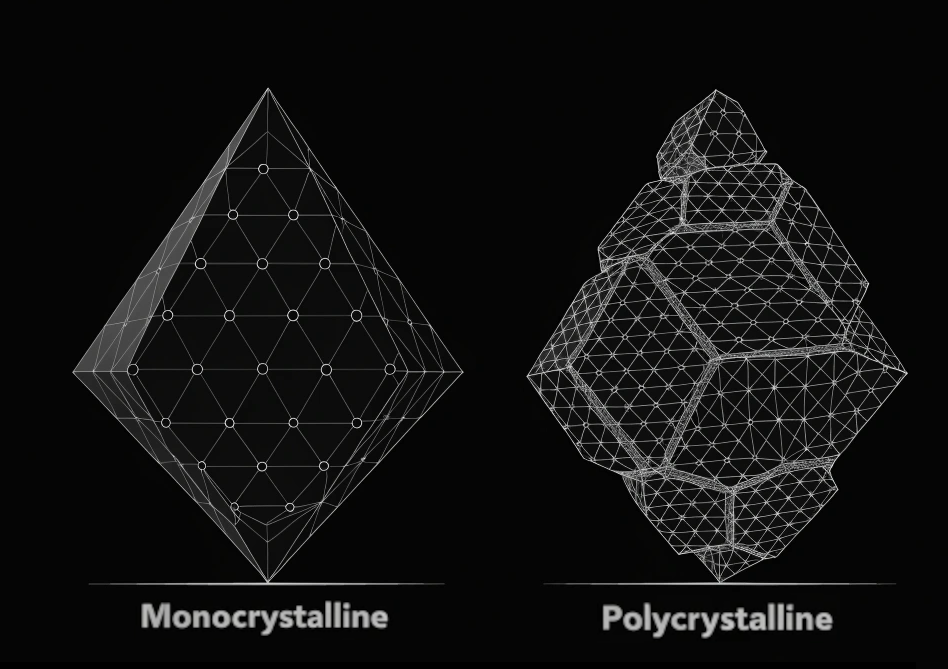
Synthetic diamond powder is a superhard abrasive that has two main structural types: monocrystalline and polycrystalline diamond[^1]. Their differences in crystal structure, shape, and internal composition result in distinct abrasive characteristics.
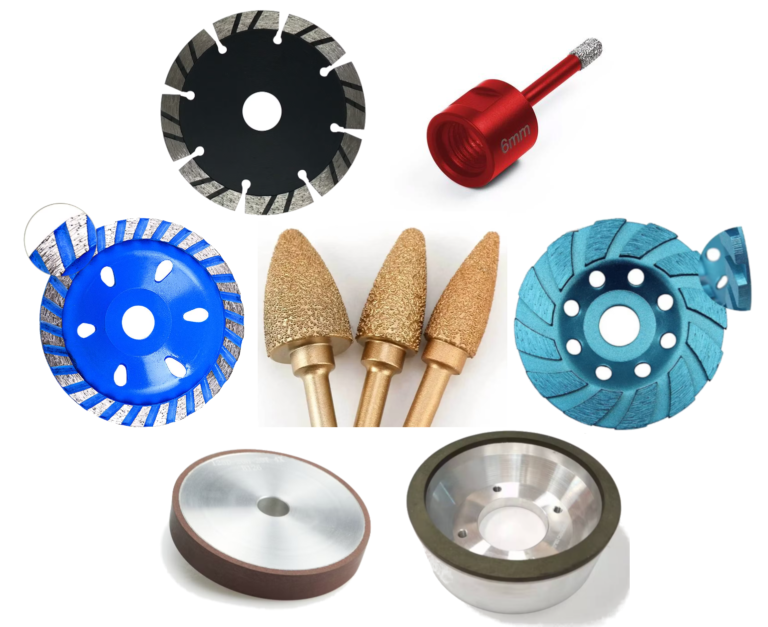
Monocrystalline diamond powder is made from single-crystal diamond particles with sharp cutting edges and strong individual particle strength[^2]. It is often used when the process requires efficient material removal, stronger cutting action, or better performance in bonded abrasive tools such as resin-bond, metal-bond, vitrified-bond, and electroplated diamond tools.
Polycrystalline diamond powder is made from many nano-scale diamond crystallites bonded into one particle. Its multi-crystal structure creates multiple micro-cutting points and supports controlled self-sharpening[^3]. It is usually preferred for fine polishing and slurry systems where scratch control and surface uniformity are more important. Common applications include micron diamond powder for fine polishing of sapphire, ceramics, SiC, and optical glass.
Neither structure is able to provide optimal results across all applications. The most important consideration is how the abrasive performs under actual processing conditions.
Understanding these factors allows manufacturers to match diamond powder characteristics with the requirements of their applications.
Step 1 Application Requirements
The first step in selecting diamond powder is understanding what the abrasive process needs to achieve.
Diamond powder performance should not be evaluated independently from the application because the correct choice depends on the relationship between the diamond abrasive, workpiece material, process conditions, and required final result[^4].
The key question is not “which diamond powder is better?” but rather what performance requirement is limiting the process?
Applications where surface finish, dimensional accuracy, and process consistency are critical require a different abrasive approach from applications where material removal rate and productivity are the primary objectives.
The main factors that influence diamond powder selection include:
- Surface finish requirements — whether the process requires consistent surface quality, controlled surface roughness, and repeatable finishing performance.
- Material removal requirements — whether the priority is higher stock removal, improved cutting efficiency, or reduced processing time.
- Dimensional accuracy and process repeatability — whether the application requires tight tolerances and consistent results between components.
- Workpiece material considerations — whether the material is sensitive to diamond abrasive processing, surface damage, or subsurface damage.
- Production requirements — whether the priority is quality consistency, productivity, or overall manufacturing efficiency.
Once the primary process requirement is identified, the selection between monocrystalline and polycrystalline diamond powder becomes more defined.
Step 2 Surface Finish Requirements
Surface finish is often the first major consideration because many precision applications are limited not by the ability to remove material, but by the ability to achieve the required surface condition.
When surface variation, scratches, defects, or inconsistent finishing results affect component performance, the abrasive process must provide controlled and predictable interaction with the workpiece. Applications requiring consistent surface finish depend on stable abrasive performance throughout the processing operation to achieve uniform finishing results.
For precision polishing and finishing applications, the abrasive process must produce predictable results and control the final surface characteristics without introducing unwanted defects or variation.
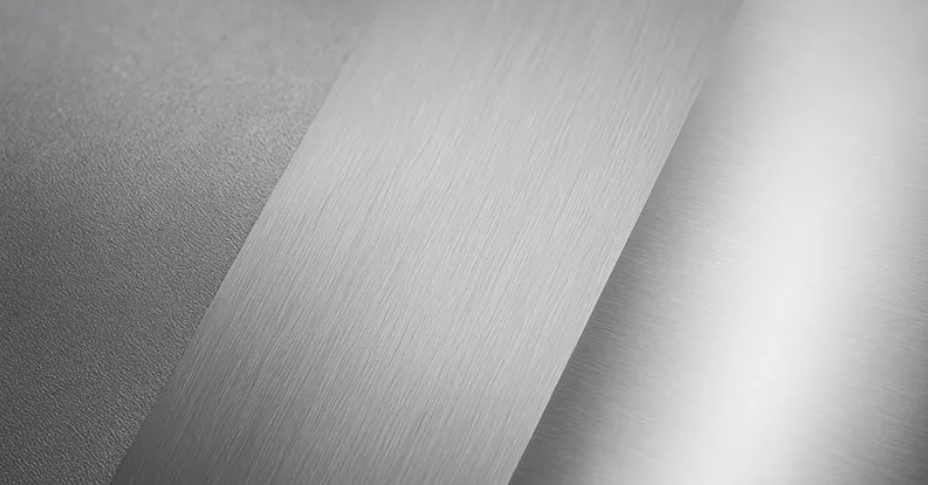
Where surface finish control, finishing consistency, and predictable surface results are the dominant requirements, monocrystalline diamond is generally more suitable due to its consistent abrasive behaviour and ability to provide controlled finishing results.
This is especially relevant in precision polishing, semiconductor processing, optical finishing, and other applications where the final surface condition directly affects component performance.
Step 3 Material Removal Requirements
When surface finish requirements are not the primary limitation, the next consideration is whether the application requires improved material removal performance.
In grinding, lapping, and abrasive processing applications, the process may be limited by the ability to achieve efficient stock removal while maintaining the required final result. Material removal rate becomes more important when manufacturing efficiency depends on the amount of material removed rather than achieving the highest level of finishing refinement.
Cutting efficiency influences how effectively diamond abrasive removes material from the workpiece. Removal-focused processes require abrasive performance that can maintain effective cutting action and achieve the required stock removal without unnecessary increases in processing time.
Applications focused on material removal rate, cutting efficiency, and stock removal performance generally favour polycrystalline diamond due to its controlled fracture behaviour, which helps maintain effective cutting action during material removal[^5].
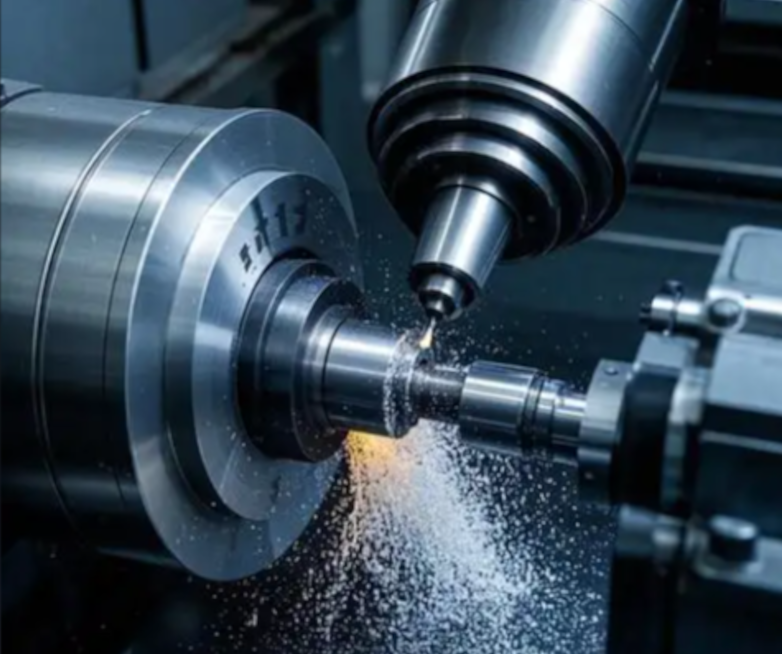
In high-efficiency abrasive operations such as cemented carbide processing and hard material grinding, improved stock removal performance can directly influence overall processing efficiency.
Step 4 Workpiece Material Considerations
After surface finish and material removal requirements have been considered, the next factor is how the workpiece material responds to diamond abrasive processing.
Different materials respond differently to abrasive processing. Brittle, hard, or structurally sensitive materials may be vulnerable to cracking, chipping, fracture, or subsurface damage. Diamond powder selection must therefore consider material response and the level of protection required to maintain surface integrity.
Material brittleness and fracture sensitivity are important because abrasive processing can affect the structural integrity of the workpiece. Advanced and high-value materials also require consideration of how diamond abrasive particles interact with the internal structure of the workpiece, as subsurface damage can affect component reliability[^6].
Sensitive workpiece materials requiring surface integrity control are generally better suited to monocrystalline diamond due to its consistent abrasive behaviour and more controlled interaction with the workpiece. For less sensitive materials, selection can be determined by other process requirements such as surface finish, material removal, or production objectives.
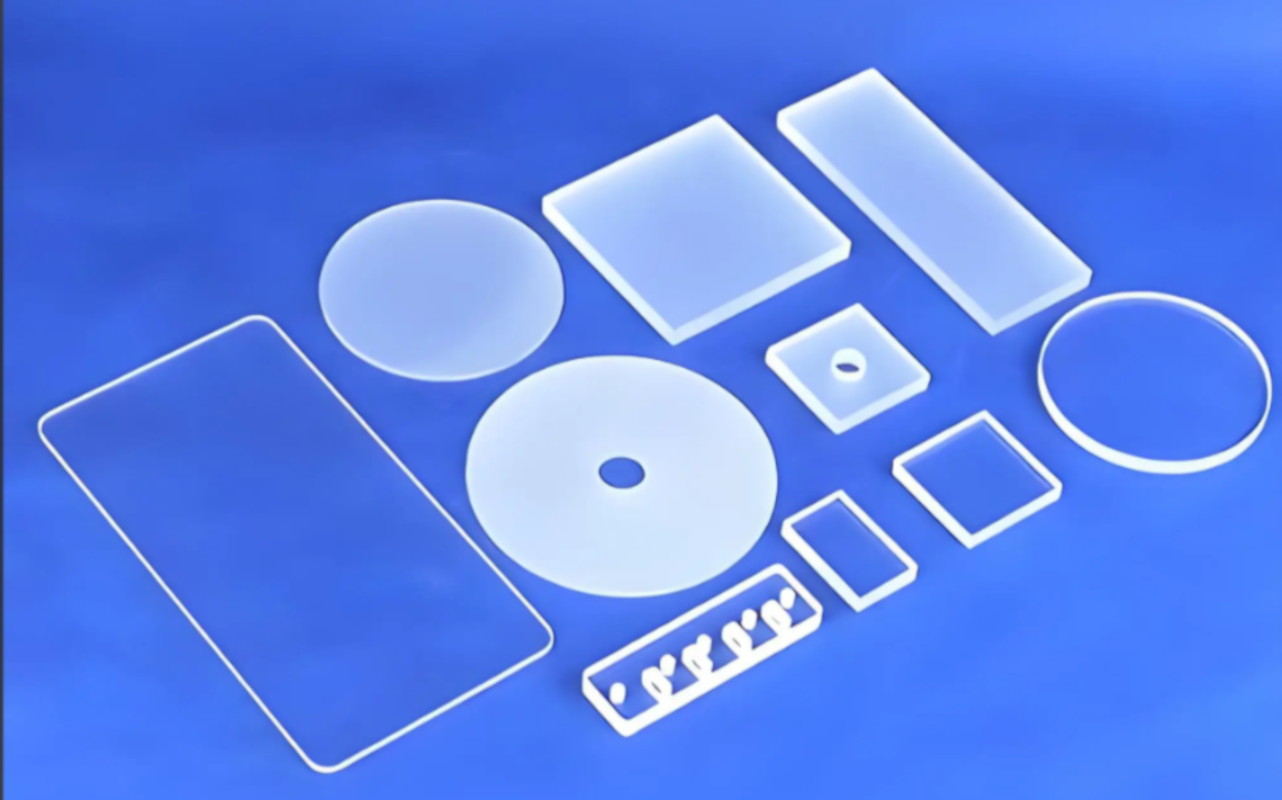
For materials including ceramics, sapphire, and advanced optical materials, abrasive selection must be carefully controlled to protect surface integrity during processing.
Step 5 Dimensional Accuracy and Process Repeatability
After surface finish, material removal, and workpiece material requirements have been considered, the next factor is whether the abrasive process must maintain precise component dimensions and repeatable results.
For precision components, achieving the required specification on one part is not enough. The process must consistently produce components within the required dimensional limits across repeated operations. Small variations during processing can affect component fit, function, and performance.
Manufacturing processes requiring multiple identical components depend on consistent results between processed parts. Variation during abrasive processing can increase inspection requirements and affect production reliability, making repeatable processing conditions essential.
Dimensional accuracy, tolerance control, and process repeatability requirements typically favour monocrystalline diamond due to its stable and predictable abrasive performance[^7], which supports controlled processing results.
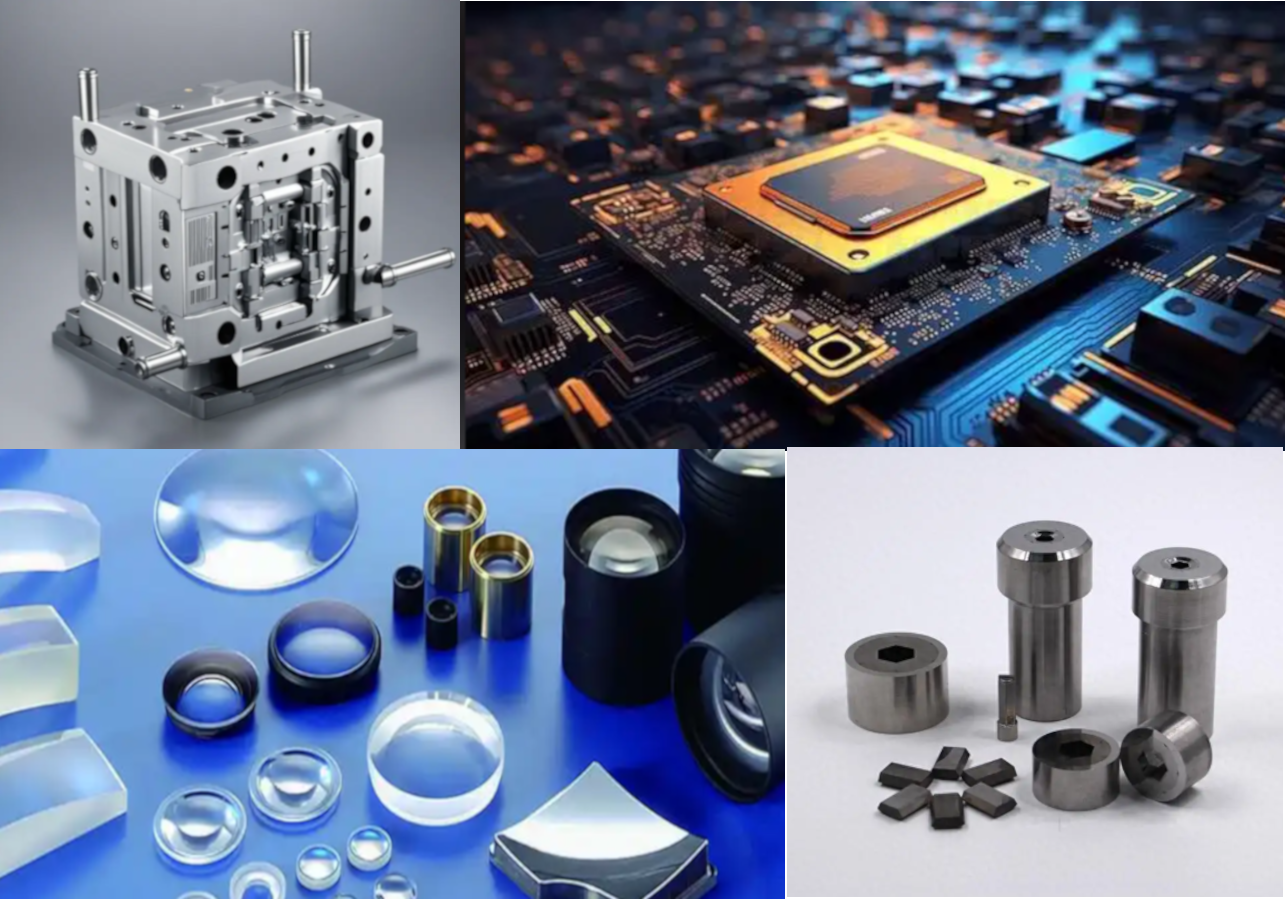
Applications such as precision mold and die finishing, semiconductor components, and optical component manufacturing rely on dimensional accuracy and process repeatability.
Step 6 Production Requirements
The final consideration is how the selected diamond powder performs within the overall production process. Manufacturers must consider not only abrasive performance but also the ability to support consistent manufacturing results and meet production objectives.
Production requirements determine whether the priority is maintaining quality consistency, improving productivity, or achieving the best balance between processing performance and manufacturing efficiency. For high-value components, process consistency and reduced variation may be more important than maximising processing speed.
The preferred choice depends on the production objective: monocrystalline diamond may be preferred where production consistency, process reliability, and quality control are required due to its consistent abrasive behaviour, while polycrystalline diamond may provide advantages where productivity and efficient processing are the main goals due to its effective material removal performance.
These priorities are especially relevant in production environments where manufacturers must balance efficiency, process stability, and overall process value.
Quick Selection Guide: Monocrystalline vs Polycrystalline Diamond Powder
| Your Main Goal | Recommended Diamond Type | Why |
|---|---|---|
| Achieve consistent surface finish and precise polishing results | Monocrystalline Diamond Powder | Provides consistent abrasive behaviour for controlled finishing processes where surface quality and repeatability are critical. |
| Improve material removal rate and processing efficiency | Polycrystalline Diamond Powder | Provides effective cutting performance for applications where stock removal and productivity are the main priorities. |
| Minimise scratches, defects, and surface variation | Monocrystalline Diamond Powder | Supports more predictable abrasive interaction and helps maintain consistent surface conditions. |
| Process brittle or sensitive materials requiring surface integrity control | Monocrystalline Diamond Powder | Allows controlled processing of materials where cracking, chipping, or subsurface damage must be minimised. |
| Maximise grinding efficiency and reduce processing time | Polycrystalline Diamond Powder | Supports efficient material removal in high-productivity abrasive operations. |
| Maintain dimensional accuracy and process repeatability | Monocrystalline Diamond Powder | Provides stable abrasive performance for precision processes requiring consistent results between components. |
| Balance production efficiency with overall processing requirements | Depends on Process Priority | Monocrystalline is preferred when consistency and quality control are the priority, while polycrystalline is preferred when removal efficiency and productivity are the main objectives. |
Crownkyn Diamond Powder Solutions
Crownkyn Diamond supplies both monocrysaline & polycrystalline diamond powder for a large range of applications. They are suitable for hard and brittle materials such as sapphire, ceramics, optical glass, and tungsten carbide, where stable material removal and surface quality are required.
In our application discussions just the crystal type alone is rarely enough to decide the final product. Our team usually evaluates the workpiece material, processing stage and target surface finish requirement before recommending a suitable monocrystalline or polycrystalline diamond powder solution.
If you are currently developing a new processing process, you can share your workpiece material, target surface finish, and other requirements, and our team can work with you to find the most suitable diamond powder product.
Conclusion
Choosing between monocrystalline and polycrystalline diamond powder depends on identifying which process requirement has the greatest influence on the final result.
When the application requires surface control, precision processing, or protection of sensitive materials, monocrystalline diamond powder is generally the preferred choice. When the application is primarily limited by material removal efficiency and productivity, polycrystalline diamond powder is generally more suitable.
The correct selection is not based on the diamond structure alone, but on matching the abrasive performance to the requirements of the specific application.
References
[1] Reference describing synthetic diamond abrasives as single-crystal and polycrystalline forms
Synthetic diamond powder has two main structural types: monocrystalline and polycrystalline diamond.
[2] Polishing surface quality of single crystal diamond
Monocrystalline diamond powder is made from single-crystal diamond particles.
[3] Influence of the Geometrical Features of the Cutting Edge
The multi-crystal structure of polycrystalline diamond creates multiple micro-cutting points and supports controlled self-sharpening.
[4] Study on the abrasive flow machining and orbital abrasive flo
Diamond powder performance should not be evaluated independently from the application.
[5] Material Removal Mechanisms of Polycrystalline
Polycrystalline diamond is favored for material removal because of controlled fracture behavior.
[6] Sub-surface mechanical damage distributions
Subsurface damage from abrasive processing can affect component reliability.
[7] Single-Crystal Diamond Cutting Tool for Ultra-Precision Processing
Dimensional accuracy, tolerance control, and process repeatability requirements typically favour monocrystalline diamond