What Exactly Is Diamond Powder and How Is It Produced?
You need to grind or polish extremely hard materials, but your current tools are failing. I'll explain the ultimate abrasive, diamond powder, and how it can solve your problems.
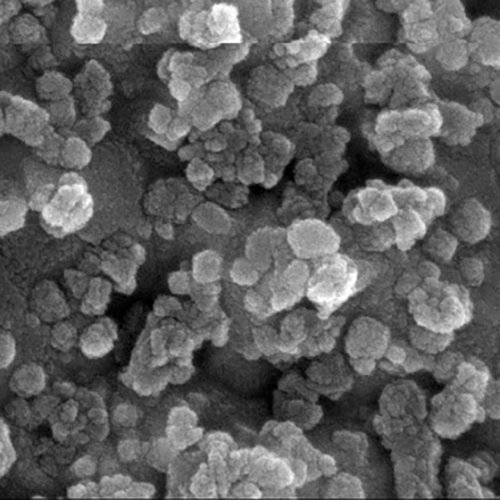
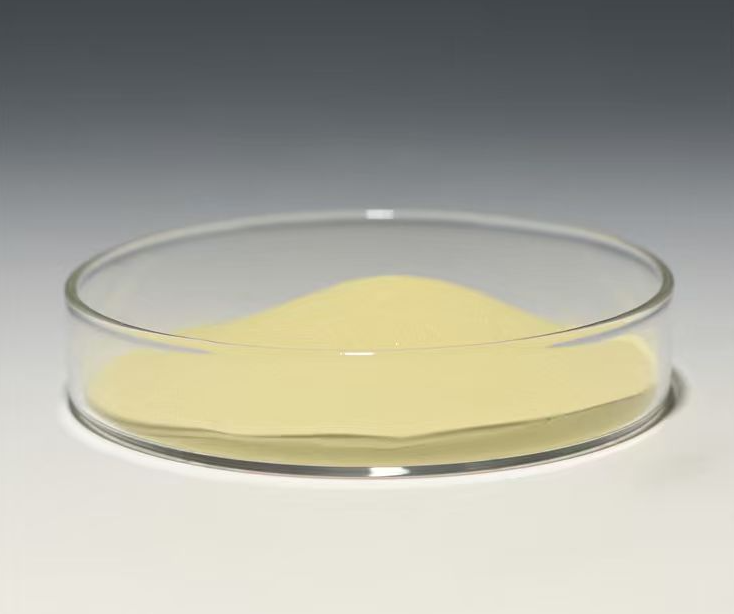
Diamond powder is a collection of tiny diamond crystals, used as a superabrasive for cutting, grinding, and polishing. It is produced by crushing larger natural or synthetic diamonds, or grown directly using high-pressure/high-temperature (HPHT) or chemical vapor deposition (CVD) methods.
So that gives you the basic picture of what diamond powder is. But this material is much more complex and fascinating than just crushed gems. The way it's made and the different types available have a huge impact on how it performs. Let's dig deeper to understand this incredible material and how it powers so much of modern industry.
What Is Diamond Powder?
You have heard about diamonds, but the idea of it as a powder seems strange. The manufacturing processes sound like something out of a science fiction movie, making it hard to grasp.
Diamond powder is made of fine diamond particles, created by crushing larger diamonds or by lab synthesis. The main synthetic methods are High-Pressure, High-Temperature (HPHT), which copies nature's process, and Chemical Vapor Deposition (CVD), which builds diamond atom by atom.
The journey from a carbon source to a powerful abrasive powder is quite amazing. I’ve seen how these methods work, and each one is tailored for different results. Let's break down the main ways we get this incredible material.
Natural vs. Synthetic
First, you have powder from natural diamonds. These are diamonds mined from the earth that are not gem-quality. They are crushed, milled, and sorted into different sizes. This method is straightforward, but the supply is limited and can be expensive. Most industrial diamond powder today is synthetic because we can control its properties much better.
The HPHT Method
The High-Pressure, High-Temperature (HPHT) method is the most common way to make synthetic diamonds for abrasives. It works by mimicking the conditions deep inside the Earth. We take a carbon source, like graphite, and mix it with a metal catalyst. This mixture is put into a massive press that creates immense pressure and heat. Under these conditions, the carbon atoms rearrange themselves into diamond crystals. These crystals are then crushed and sorted to create diamond powder.
The CVD Method
Chemical Vapor Deposition (CVD) is a more high-tech approach. In this process, a hydrocarbon gas like methane is introduced into a vacuum chamber. The gas is heated, causing the carbon atoms to separate and deposit onto a substrate, building a thin film of diamond layer by layer. This film can then be harvested and processed into a fine powder. CVD allows for incredible control over the diamond's purity and structure.
What Types of Diamond Powder Are Available and How Do They Differ?
Picking the right abrasive for a job is critical. If you choose the wrong type of diamond powder, you could damage your workpiece, waste money, and get a poor result.
Diamond powders are defined by their crystal structure and any special coatings. Monocrystalline is a single, tough crystal for heavy grinding. Polycrystalline contains many small crystals for fine polishing. Nanodiamond is for ultra-fine finishes, and coated types improve tool bonding.
When I first started working with these materials, I thought all diamond powder was the same. I quickly learned that the type you choose is the most important decision you'll make. The differences are all about performance.
Crystal Structure: Mono, Poly, and Nano
The internal structure of the diamond particle determines how it cuts.
| Diamond Type | Structure Description | Best Use Case |
|---|---|---|
| Monocrystalline | A single, solid crystal. It is very strong and blocky with sharp cutting edges. | Heavy-duty grinding and cutting where high material removal rates are needed. |
| Polycrystalline | Made of many tiny diamond crystallites fused together. It's more friable, meaning it breaks down under pressure. | Polishing and lapping. As it breaks, it exposes new, sharp cutting edges, which prevents deep scratches and creates a mirror-like finish. |
| Nanocrystalline | Extremely small particles, often measured in nanometers. | Ultra-fine polishing in high-tech fields like optics and electronics. Also used in medical and cosmetic applications. |
Bond Type and Coatings
How the diamond powder is held in a tool also matters.
- Resin Bond: These diamonds are typically irregular and sharp. This shape helps them lock into the resin matrix of a grinding wheel or polishing pad.
- Metal Bond: These diamonds need to be strong and blocky to withstand the high pressures and temperatures of the metal sintering process used to make tools like saw blades.
- Coated Diamond: To improve performance, diamond powders are often coated with a thin layer of metal like nickel or titanium. This coating helps the diamond particle stick better within the bond material and also helps dissipate heat, which makes the tool last longer.
What Are the Key Physical and Chemical Properties of Diamond Powder?
You already know that diamond is the hardest material on Earth. But do you know what other scientific properties make it such a valuable and versatile tool for so many industries?
Diamond powder’s main property is its extreme hardness, making it a perfect abrasive. It also has the highest thermal conductivity to keep tools cool, and it is chemically stable. Its particle size and shape can be precisely controlled for different tasks.
Understanding these core properties helped me appreciate why diamond powder isn't just a simple abrasive; it's a high-performance material engineered for extreme conditions. Let's look at what makes it so special.
Unmatched Hardness
On the Mohs scale of mineral hardness, diamond is a 10. It is the hardest known natural substance. This means it can scratch or grind any other material. This single property is the primary reason it is so widely used in cutting, grinding, and polishing applications. Nothing else works as effectively on materials like sapphire, ceramics, or hardened steel.
Superior Thermal Conductivity
This one surprises many people. Diamond conducts heat better than any other material, even better than copper or silver. In a grinding or cutting operation, a lot of heat is generated from friction. Diamond powder pulls this heat away from the contact point, protecting both the tool and the workpiece from heat damage. This property is critical for extending tool life and maintaining precision.
Chemical Inertness
Diamond is essentially a very stable form of carbon. It does not react with acids, bases, or most other chemicals at room temperature. This chemical stability means it won't corrode or degrade during use, ensuring consistent performance in a variety of industrial environments.
Controllable Particle Characteristics
Because most industrial diamond is synthetic, we can control its properties very precisely.
- Particle Size: We can produce diamond powder in sizes ranging from large, sand-like grits down to particles that are only a few nanometers wide. This allows us to create tools for everything from aggressive stock removal to achieving a flawless, mirror-like polish.
- Morphology (Shape): We can also control the shape of the diamond crystals. Blocky, strong crystals are great for metal-bonded tools, while sharp, irregular crystals are better for resin-bonded tools.
How Is Diamond Powder Used in Cutting, Grinding, and Polishing Applications?
You have a very hard material like ceramic or sapphire that you need to shape. Regular tools made of steel or carbide will wear down in seconds, making the job impossible and expensive.
Diamond powder is embedded into tools like saw blades, grinding wheels, and polishing pastes. These tools easily cut, shape, and finish ultra-hard materials like optics, ceramics, silicon wafers for computer chips, gemstones, glass, and even concrete.
I've worked in labs where precision is everything, and diamond tools are the only option. The range of applications is huge, from massive construction saws to tiny dental drills. Here are some of the main industrial uses.
Precision Cutting
When a clean, precise cut is needed on a hard material, diamond is the answer.
- Silicon Wafers: In the electronics industry, large silicon crystals are sliced into ultra-thin wafers using saws with diamond-coated wires. The precision required here is incredible, as these wafers become the foundation for computer chips.
- Gemstones: The art of cutting and faceting gemstones like diamonds, rubies, and sapphires is only possible because of diamond tools. Diamond saws and grinding laps are used to shape the raw stones.
- Construction: On a larger scale, massive circular saws with diamond segments are used to cut concrete, asphalt, and stone with ease.
High-Performance Grinding
Grinding is used to remove material and achieve a specific shape or dimension.
- Optical Lenses: The glass or plastic lenses in cameras, telescopes, and eyeglasses are ground to their precise curvature using tools with embedded diamond powder.
- Advanced Ceramics: Components used in aerospace, medical implants, and electronics are often made from very hard technical ceramics. Diamond grinding wheels are the only effective way to shape these parts.
Flawless Polishing
For the final step, achieving a smooth, mirror-like surface, a very fine diamond powder is used.
- Metallographic Samples: Scientists need to examine the internal structure of metals under a microscope. To do this, they polish a sample with a series of progressively finer diamond slurries until the surface is perfectly flat and reflective.
- Fiber Optics: The ends of fiber optic cables must be polished to a perfect finish with diamond paste to ensure that light can pass through with minimal loss.
Why Is Diamond Powder Used in High-Tech, Scientific, and Cosmetic Industries?
You probably think of diamond powder as a rough industrial abrasive. This might make you miss its surprising and advanced uses in electronics, medicine, and even your bathroom cabinet.
In high-tech, diamond's thermal conductivity cools electronics. In science, nanodiamonds are used for targeted drug delivery and quantum computing. In cosmetics, its fine abrasive quality gently exfoliates skin for a smooth, bright finish in luxury skincare products.
The unique properties of diamond extend far beyond simple cutting and grinding. When I learned about these applications, it changed my whole perspective on the material. It’s not just strong; it’s smart.
Electronics and Nanotechnology
The same properties that make diamond a great abrasive also make it a key material in high-tech.
- Thermal Management: Modern computer processors generate a huge amount of heat. Diamond powder is being used as an additive in thermal pastes and substrates. Its incredible ability to conduct heat helps pull that energy away from sensitive components, allowing them to run faster and last longer.
- Quantum Sensing: This is truly cutting-edge science. Tiny nanodiamonds with a specific defect called a nitrogen-vacancy (NV) center can be used as extremely sensitive magnetic sensors. These sensors could be used to map the magnetic fields of a single living cell.
Medical and Biomedical Fields
The fact that diamond is basically carbon—the building block of life—and is chemically inert makes it very biocompatible.
- Drug Delivery: Researchers are attaching chemotherapy drugs to the surface of nanodiamonds. These tiny particles can carry the drug directly to cancer cells, which could lead to more effective treatments with fewer side effects.
- Medical Implants: Prosthetics and medical implants are sometimes coated with a diamond-like carbon (DLC) layer. This super-hard, low-friction coating makes the implants more durable and helps them integrate better with the body.
Cosmetics
This might be the most surprising application.
- Exfoliation: Luxury skincare brands use finely-milled, micron-sized diamond powder in their face and body scrubs. The perfectly spherical or blocky shape of the diamond particles allows them to gently remove dead skin cells without causing the micro-tears that can result from irregular exfoliants like sugar or nut shells. It provides a very effective and gentle polish for the skin.
What Are the Advantages of Diamond Powder Compared to Other Abrasives?
There are many different abrasive materials on the market, like silicon carbide or aluminum oxide. Choosing the wrong one for a hard material can lead to slow work, poor results, and high costs.
Diamond powder's key advantage is its unmatched hardness, which lets it cut any material effectively. It works faster, lasts longer, and produces a better surface finish than common abrasives like SiC, Al₂O₃, or even CBN when used on the right materials.
Choosing the right tool for the job is always important. While diamond is often the best, it's helpful to see how it stacks up against the other major players in the world of industrial abrasives.
Diamond vs. The Competition
Let's compare the most common superabrasives. Each has a place where it shines.
| Abrasive | Key Feature | Best For | Limitations |
|---|---|---|---|
| Diamond | The hardest material known. | Hard, brittle, and non-ferrous materials like ceramics, concrete, glass, sapphire, and tungsten carbide. | Can react chemically with iron-based (ferrous) metals at high grinding temperatures, causing premature wear. |
| Cubic Boron Nitride (CBN) | The second-hardest material. Very high thermal and chemical stability. | Hardened steels, cast iron, and superalloys. It does not react with iron, making it the top choice for ferrous metals. | Not as effective as diamond on ceramics and other non-metallic materials. |
| Silicon Carbide (SiC) | Harder than aluminum oxide but more brittle. | Non-ferrous metals (aluminum, brass), cast iron, and soft, non-metallic materials. | Wears much faster than diamond or CBN when working on very hard materials. |
| Aluminum Oxide (Al₂O₃) | A tough, durable, and low-cost abrasive. | General-purpose grinding of steels, stainless steel, and other ferrous metals. It is the most common abrasive. | Not hard enough to effectively grind superhard materials like ceramics or carbide. |
In my experience, the choice is simple. If you are working with anything iron-based like steel, CBN is your best bet. For almost everything else that is extremely hard, diamond is the undisputed champion. It provides the best performance, speed, and precision.
How Do You Choose the Right Diamond Powder for Your Application?
You have decided that you need to use diamond powder for your project. But now you are faced with a huge number of choices: different particle sizes, crystal types, and concentrations. It can feel overwhelming.
First, identify the material you are working on. Next, match the particle size to your goal: coarse for fast cutting, fine for polishing. Choose monocrystalline for heavy grinding and polycrystalline for a high-quality finish. Finally, balance your budget with performance needs.
Selecting the right powder is a process of matching the tool to the task. I use a simple step-by-step method to make sure I get it right every time. Here is a guide to help you.
Step 1: Identify Your Material and Goal
This is the most important step. Ask yourself two questions:
- What material am I working with? (e.g., tungsten carbide, sapphire glass, ceramic, granite)
- What am I trying to achieve? (e.g., fast cutting, precision grinding, lapping, or a mirror-like polish) The answer to these questions will guide all your other choices.
Step 2: Select the Particle Size (Grit)
The size of the diamond particles directly affects the material removal rate and the final surface finish. Larger particles cut faster but leave a rougher surface. Smaller particles cut slower but create a smoother finish.
| Goal | Common Particle Size (microns) |
|---|---|
| Aggressive Cutting / Grinding | 40 - 80 µm |
| Fine Grinding | 15 - 30 µm |
| Lapping (Pre-polishing) | 5 - 15 µm |
| Final Polishing | 0.5 - 3 µm |
| Super-polishing | < 0.25 µm (Nanodiamond) |
Step 3: Choose the Diamond Type
As we discussed earlier, the crystal structure matters.
- Use monocrystalline diamond for high-pressure, heavy-duty applications like sawing and rough grinding. Its strong, single-crystal structure can withstand a lot of force.
- Use polycrystalline diamond for applications where surface finish is critical, like polishing optics or metallographic samples. Its self-sharpening nature prevents deep scratches.
Step 4: Consider Concentration and Budget
Diamond concentration refers to how much diamond powder is in the tool or slurry. Higher concentrations usually mean faster work and longer tool life, but they also increase the cost. For most jobs, a standard concentration is fine. You can always adjust based on your specific results and budget. I always advise starting with a medium concentration and seeing if it meets your needs before spending more.
Conclusion
Diamond powder is more than just an abrasive. It is a key material in modern industry, from construction to electronics. Understanding its types and properties helps you choose the right tool.