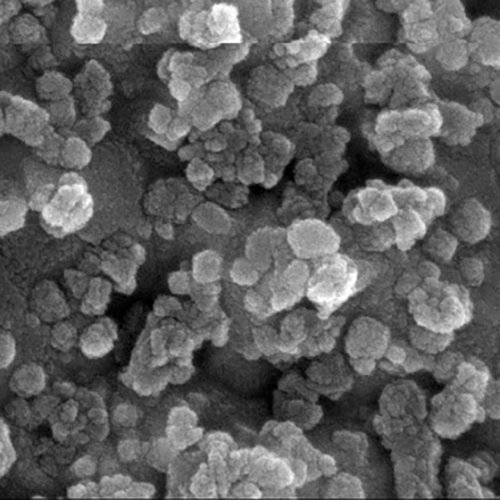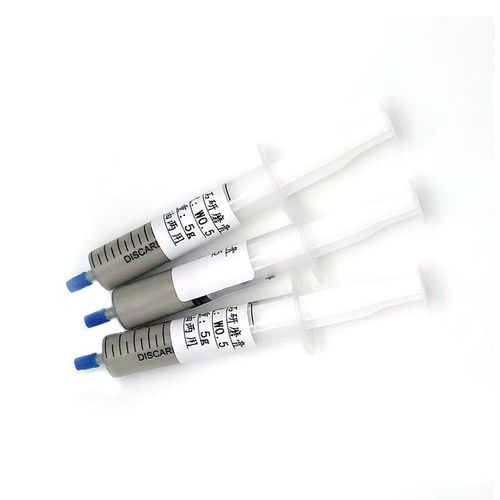
Diamond Tools and Diamond Powder for Sapphire Processing
Sapphire is a typical hard and brittle material widely used in LED substrates, optical windows, watch components, semiconductor devices, and precision electronic applications. Because of its high hardness, strong chemical stability, and brittleness, sapphire processing requires stable and high-performance diamond tools.
From sapphire ingot processing to wafer slicing, grinding, edge finishing, polishing, and CMP applications, diamond grinding wheels, diamond wire saws, diamond cutting discs, diamond core drills, diamond slurry, and CMP pad dressers are widely used.
The performance of these tools is closely related to the quality of the synthetic diamond powder, diamond grit, and diamond micron powder used in the tool matrix. Proper diamond selection can improve cutting efficiency, reduce surface damage, extend tool life, and achieve more stable sapphire wafer quality.

Sapphire Substrate Wafer Processing
The processing of sapphire substrate wafers usually includes the following steps:
Crystal growth → Crystal pulling → Head and tail truncation → Outer diameter grinding → Crystal orientation → Slicing → Chamfering and edge grinding → Rough grinding → Fine grinding → CMP polishing
Each step requires different types of diamond tools to achieve dimensional accuracy, surface quality, and stable processing efficiency.
Common diamond tools used in sapphire wafer processing include:
- Diamond grinding wheels
- Diamond wire saws
- Diamond core drills
- Diamond grinding discs
- Diamond polishing slurry
- Diamond lapping slurry
- CMP polishing slurry
- CMP pad conditioners
For sapphire processing, the key challenge is not only removing material efficiently, but also controlling cracks, edge chipping, subsurface damage, and surface roughness.
Main Sapphire Processing Steps and Diamond Tool Applications
2.1 Crystal Growth
Sapphire crystal growth is usually completed in a crystal growth furnace to produce large-size, high-quality single-crystal sapphire ingots.
Although diamond tools are not directly used in the crystal growth stage, the quality, size, and orientation of the sapphire ingot will affect the following grinding, slicing, and polishing processes.
2.2 Crystal Pulling and Core Drilling
After crystal growth, a high-precision diamond core drill or sapphire nesting drill may be used to obtain sapphire crystal rods.
Because sapphire is an expensive hard and brittle material, the diamond drill must have:
- High concentricity
- Stable cutting performance
- Good edge retention
- Low chipping
- High dimensional accuracy
For this type of tool, high-strength synthetic diamond grit is usually preferred. Diamond particles should have good crystal shape, high toughness, and stable particle size distribution.
Recommended diamond type:
- High-strength monocrystalline diamond
- Blocky synthetic diamond grit
- Medium-to-high toughness diamond for metal bond tools
- Coated diamond grit when stronger bond retention is required
2.3 Outer Diameter Grinding
Outer diameter grinding is used to grind the sapphire crystal rod and obtain accurate roundness and dimensional tolerance.
Diamond grinding wheels are commonly used in this process. Depending on the processing stage, different bond systems may be selected:
- Metal bond diamond grinding wheels for rough grinding
- Vitrified bond diamond grinding wheels for fine grinding
- Resin bond diamond grinding wheels for finer surface finishing
For sapphire rod grinding, the diamond abrasive should provide both cutting efficiency and stable wear resistance.
Recommended diamond type:
- Medium-strength synthetic diamond for resin bond wheels
- High-strength diamond grit for metal bond wheels
- Sharp and well-shaped diamond grit for efficient stock removal
- Thermally stable diamond grit for vitrified bond wheels
2.4 Crystal Orientation
Crystal orientation is used to accurately locate the position and crystallographic direction of the sapphire ingot before slicing.
This step helps improve slicing accuracy and reduces material waste. Although diamond powder is not the main material used in this step, accurate orientation improves the stability of the following diamond wire saw cutting process.
2.5 Slicing
Sapphire ingots are usually sliced into thin wafers with diamond wire saws.
Diamond wire saw cutting requires sharp diamond abrasive particles and strong bonding to the wire surface. The diamond powder used for diamond wire should have:
- Narrow particle size distribution
- High cutting sharpness
- Good adhesion with nickel or resin coating
- Low impurity content
- Stable crystal shape
Recommended diamond type:
- Sharp monocrystalline diamond powder
- Nickel-coated diamond powder for improved bonding
- Carefully classified diamond grit for narrow kerf cutting
- High-purity synthetic diamond powder for stable cutting quality
Good diamond powder selection can improve cutting efficiency, reduce kerf loss, and minimize subsurface damage.
2.6 Chamfering and Edge Grinding
After slicing, sapphire wafer edges are chamfered and ground into an arc or bevel shape. This improves the mechanical strength of the wafer edge and reduces the risk of cracking during handling and later processing.
Metal bond diamond grinding wheels are commonly used for chamfering and edge grinding because they provide:
- High wear resistance
- Strong shape retention
- Good groove accuracy
- Long tool life
For chamfering wheels, the diamond grit should have high strength and stable particle shape to avoid premature pull-out or uneven wear.
Recommended diamond type:
- High-strength synthetic diamond grit
- Blocky diamond particles
- Metal bond grade diamond
- Coated diamond grit for stronger bond retention, if needed
Diamond Grinding Wheels Used in Sapphire Processing
Diamond grinding wheels are among the most important tools in sapphire processing. They are used for rod rounding, wafer thinning, surface grinding, edge grinding, and polishing.
Common types include:
- Diamond rod rounding wheels
- Diamond thinning wheels
- Plane grinding diamond wheels
- Diamond polishing wheels
- Backside thinning grinding wheels
The diamond particle size may range from coarse mesh for rough grinding to fine micron powder for precision finishing.
3.1 Common Bond Types for Sapphire Grinding Wheels
| Bond Type | Main Features | Common Application |
|---|---|---|
| Metal bond | High strength, long life, strong shape retention | Rough grinding, chamfering, edge grinding |
| Resin bond | Elastic cutting, good surface quality | Fine grinding, polishing |
| Vitrified bond | High precision, good self-sharpening | Precision grinding, wafer grinding |
| Electroplated bond | Strong grit exposure, high sharpness | Cutting, dressing, special tools |
Different bond systems require different diamond properties. For example, metal bond tools usually need stronger diamond grit, while resin bond tools may use medium-strength diamond that can maintain sharpness through controlled micro-fracturing.
How Diamond Powder Affects Grinding Wheel Performance
The performance of a diamond grinding wheel depends not only on the bond system, but also on the quality of the diamond powder or diamond grit.
Key factors include:
- Particle size
- Diamond strength
- Particle shape
- Particle size distribution
- Purity
- Thermal stability
- Bond compatibility
4.1 Particle Size
Coarser diamond grit provides higher material removal rates, while finer diamond powder improves surface finish.
| Process | Suggested Diamond Size |
|---|---|
| Rough grinding | Coarse mesh diamond grit |
| Fine grinding | Fine mesh or micron diamond powder |
| Lapping | Micron diamond powder |
| Polishing | Fine micron or submicron diamond powder |
| CMP slurry | Submicron or nano-level abrasive system |
For sapphire processing, oversized particles may cause deep scratches, while too many fine particles may reduce grinding efficiency. Therefore, stable particle size classification is especially important.
4.2 Diamond Strength
Higher-strength diamond is suitable for heavy-load grinding and metal bond tools. Medium-strength diamond may be more suitable for resin bond wheels where controlled micro-fracturing can help maintain sharpness.
| Application | Recommended Diamond Type |
|---|---|
| Metal bond grinding wheel | High-strength monocrystalline diamond |
| Resin bond grinding wheel | Medium-to-high strength diamond |
| Vitrified bond wheel | Sharp, thermally stable diamond |
| Diamond wire saw | Narrow-size, sharp monocrystalline diamond |
| Diamond slurry | Micron or submicron diamond powder |
| CMP pad dresser | High-quality diamond grit with strong bonding stability |
4.3 Particle Shape
Blocky diamond particles provide higher strength and better retention in the bond. Sharp particles provide faster cutting but may wear faster.
For sapphire grinding, a balance between sharpness and toughness is important. If the diamond is too friable, tool life may be short. If the diamond is too strong but not sharp enough, the grinding wheel may generate more heat and increase the risk of surface damage.
4.4 Particle Size Distribution
Narrow particle size distribution is especially important for sapphire wafer grinding and polishing.
Well-classified diamond powder helps achieve:
- Stable grinding performance
- Lower surface damage
- Better wafer flatness
- Improved polishing consistency
- Reduced risk of deep scratches
For fine grinding, lapping, and polishing, strict particle size control is one of the most important factors affecting final surface quality.
Diamond Ultra-Thin Cutting Discs
Diamond ultra-thin cutting discs are widely used for cutting and slotting hard and brittle materials in the electronics and semiconductor industries.
They are commonly used for materials such as:
- Sapphire
- Silicon
- Germanium
- Ferrite
- Lithium niobate
- Optical glass
- Piezoelectric ceramics
- Ceramic substrates
Diamond ultra-thin cutting discs are usually made with diamond abrasive and bond materials. According to the bond type, they can be divided into:
- Metal bond diamond cutting discs
- Resin bond diamond cutting discs
- Electroplated diamond cutting blades
5.1 Typical Thickness Range
| Type | Common Thickness |
|---|---|
| Electroplated metal bond blade | 0.015–0.1 mm |
| Metal bond hot-pressed blade | 0.1–0.3 mm |
| Resin bond blade | 0.1–0.3 mm |
Main advantages include:
- High cutting accuracy
- Narrow kerf
- Low material loss
- Long service life
- Stable cutting quality
For ultra-thin cutting discs, diamond powder should have high sharpness, good size consistency, and strong bond compatibility.
Recommended diamond type:
- Sharp monocrystalline diamond powder
- High-purity synthetic diamond grit
- Coated diamond powder for improved bond strength when required
- Narrow particle size diamond grit for precision cutting
High-Precision Diamond Core Drills
Diamond core drills are used for precision drilling of sapphire, optical glass, watch components, LED substrates, and other hard brittle materials.
The performance of diamond core drills depends on several factors:
- Diamond grit quality
- Bond strength
- Segment uniformity
- Welding accuracy
- Drill concentricity
- Follow-up grinding precision
For sapphire drilling, the diamond abrasive should provide stable cutting without severe edge chipping.
Recommended diamond type:
- High-strength synthetic diamond grit
- Blocky monocrystalline diamond
- Metal bond grade diamond
- Coated diamond grit for improved retention in demanding applications
Good diamond grit selection helps improve drilling precision, reduce tool wear, and extend tool life.
Diamond Grinding Fluid and Diamond Polishing Slurry
In sapphire wafer grinding, lapping, and polishing, diamond slurry and diamond grinding fluid are also widely used.
Diamond slurry usually contains micron or submicron diamond powder dispersed in a water-based or oil-based carrier.
For sapphire polishing, diamond slurry can help achieve:
- Controlled material removal
- Improved surface roughness
- Reduced surface defects
- Better polishing consistency
- More uniform wafer surface quality
7.1 Typical Diamond Powder Sizes for Sapphire Polishing
| Process | Typical Diamond Powder Size |
|---|---|
| Rough lapping | 6–12 μm |
| Fine lapping | 3–6 μm |
| Fine polishing | 1–3 μm |
| Mirror polishing | 0.25–1 μm |
| Ultra-fine polishing | Submicron diamond powder |
For high-end sapphire polishing, polycrystalline diamond powder can also be considered because its multi-edge structure provides stable micro-cutting and good surface control.
Recommended diamond type:
- Monocrystalline diamond powder for efficient lapping and stock removal
- Polycrystalline diamond powder for fine polishing and surface finishing
- Nano diamond powder for ultra-fine polishing or special slurry systems
- High-purity diamond micron powder for stable dispersion
CMP Polishing and CMP Pad Dressers
CMP, or Chemical Mechanical Planarization, is used to improve wafer flatness and surface roughness. It combines chemical reaction and mechanical polishing to achieve high-precision planarization.
In CMP processing, polishing pads are consumables. The surface of the polishing pad must be conditioned regularly to maintain roughness, porosity, and slurry transport ability.
This is where CMP pad dressers, also known as CMP conditioners, are used.
A CMP dresser usually consists of:
- A stainless steel disc
- A nickel-plated or brazed bonding layer
- Diamond grit fixed on the surface
The diamond grit on the CMP dresser modifies the polishing pad surface and helps maintain stable polishing performance.
For CMP dressers, diamond particles must be strongly bonded to avoid particle fall-off. Loose diamond particles may cause scratches on the wafer surface.
Recommended diamond type:
- High-quality monocrystalline diamond grit
- Uniform particle size diamond
- Strong crystal shape diamond
- CVD diamond or specially treated diamond grit for high-end applications
- Coated diamond grit for stronger bonding stability
Key factors for CMP dresser performance include:
- Diamond particle size
- Diamond particle density
- Diamond arrangement
- Bonding method
- Diamond retention strength
- Dressing uniformity
How to Select Diamond Powder for Sapphire Processing
Selecting the right diamond powder depends on the processing stage, tool type, bond system, and target surface quality.
9.1 For Rough Grinding
Use strong diamond grit with good toughness and blocky shape.
Recommended diamond products:
- High-strength synthetic diamond
- Metal bond grade diamond
- Coarse mesh diamond grit
- Coated diamond grit for stronger retention
Main goal:
- High removal rate
- Long tool life
- Stable grinding efficiency
9.2 For Fine Grinding
Use diamond grit or micron powder with a narrower particle size distribution.
Recommended diamond products:
- Medium-to-high strength monocrystalline diamond
- Fine mesh diamond grit
- Vitrified bond grade diamond
- Resin bond grade diamond
Main goal:
- Better surface control
- Reduced subsurface damage
- Improved flatness
9.3 For Lapping and Polishing
Use micron diamond powder with strict particle size classification.
Recommended diamond products:
- Monocrystalline diamond powder for general lapping
- Polycrystalline diamond powder for precision polishing
- Fine micron diamond powder for smooth surface finish
- Submicron diamond powder for high-precision finishing
Main goal:
- Controlled material removal
- Low scratch risk
- Stable surface roughness
9.4 For Diamond Slurry
Use high-purity diamond micron powder or submicron diamond powder with good dispersion performance.
Recommended diamond products:
- Water-based diamond slurry for sapphire, ceramics, and optical materials
- Oil-based diamond slurry for specific polishing systems
- Polycrystalline diamond powder for fine finishing
- Nano diamond powder for ultra-precision surface treatment
Main goal:
- Stable suspension
- Uniform polishing
- Fine surface finish
9.5 For CMP Dressers
Use high-strength, uniform diamond grit with excellent bonding stability.
Recommended diamond products:
- Monocrystalline diamond grit
- Carefully classified diamond particles
- Coated diamond or specially treated diamond for improved bonding
- High-strength diamond grit for long service life
Main goal:
- Stable pad conditioning
- Long dresser life
- Reduced risk of diamond particle fall-off
Crownkyn Diamond Powder Solutions for Sapphire Processing
Crownkyn supplies synthetic diamond powder, diamond micron powder, polycrystalline diamond powder, nano diamond powder, and coated diamond products for grinding, lapping, polishing, and diamond tool manufacturing.
For sapphire processing, suitable product options include:
- Synthetic diamond grit for metal bond grinding wheels
- Diamond powder for resin bond and vitrified bond wheels
- Diamond micron powder for lapping and polishing
- Polycrystalline diamond powder for precision surface finishing
- Nano diamond powder for ultra-fine polishing applications
- Coated diamond powder for improved bond retention
- Diamond slurry and polishing liquid solutions
By selecting the right diamond type, particle size, and particle size distribution, sapphire processing manufacturers can improve cutting efficiency, reduce surface damage, extend tool life, and achieve more stable wafer quality.
Conclusion
Sapphire processing requires a complete system of diamond tools and diamond abrasive materials. From crystal rod grinding to wafer slicing, chamfering, thinning, polishing, and CMP pad conditioning, diamond grinding wheels, diamond cutting discs, diamond core drills, diamond slurry, and CMP dressers all play important roles.
The performance of these tools depends heavily on the quality of the diamond powder used. High-strength diamond grit is suitable for grinding wheels and cutting tools, while micron and submicron diamond powder are more suitable for lapping, polishing, and slurry applications.
For high-precision surface finishing, polycrystalline diamond powder and nano diamond powder can provide better surface control and polishing consistency.
Choosing the right diamond powder is not only about particle size. Crystal strength, particle shape, size distribution, purity, thermal stability, and bond compatibility should all be considered.
With the right diamond abrasive solution, sapphire manufacturers can achieve higher efficiency, better surface quality, and more reliable processing results.